






Archive: People and Markets
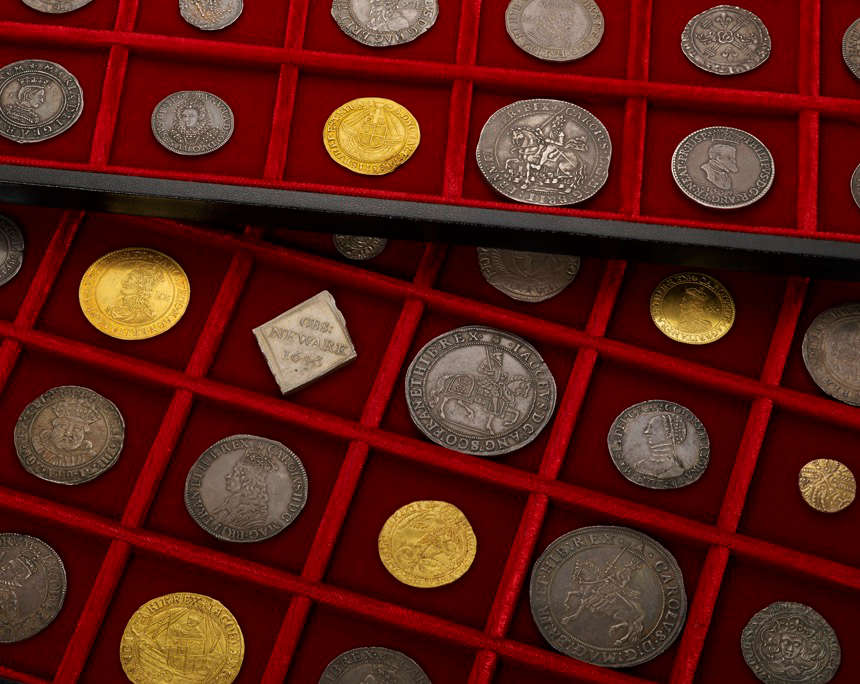
Geoffrey’s Cope’s Exceptional Collection Comes to Auction
Numismatica Ars Classica, Classical Numismatic Group and Numismatica Genevensis have joined forces to present the exceptional collection of Geoffrey Cope. It will come under the hammer in May and October 2024.
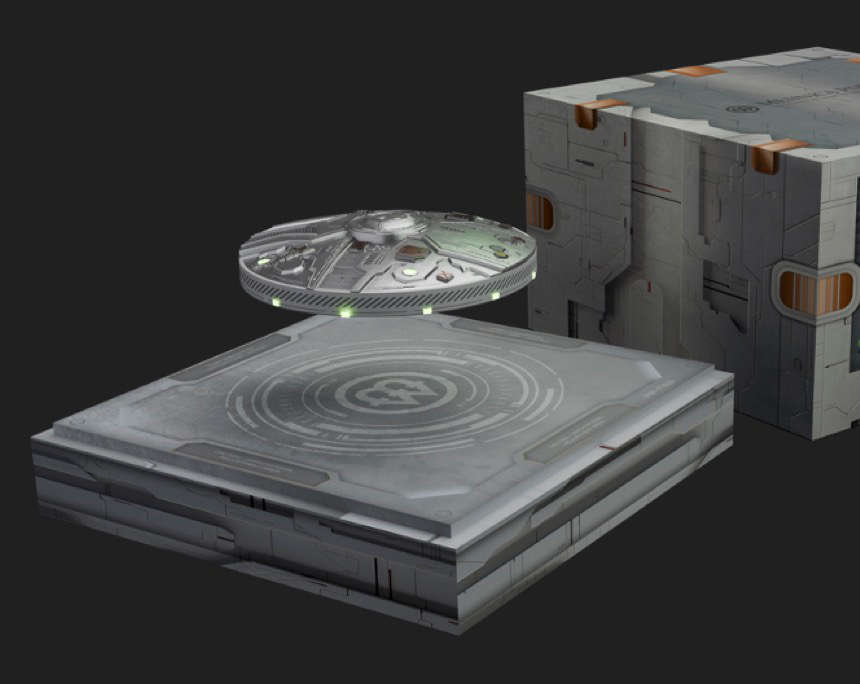
Space Premiere – Mint of Poland Created the World’s First Flying Coin
The Mint of Poland presented the UFO MP-1766 at the World Money Fair 2024, which is said to be the first flying coin in the World. The coin is lifted by an internal motor and, upon interaction with a specially designed base, it levitates due to the magnetic field generated between them.
Archive: Coins, Medals and more
 https://new.coinsweekly.com/wp-content/uploads/2024/07/2024KW27HA_00.jpg
684
860
Ursula Kampmann
https://new.coinsweekly.com/wp-content/uploads/2023/01/logo-coinsweekly_590x204.png
Ursula Kampmann2024-07-04 10:28:022024-07-04 15:03:20Highlights from the Bruun Collection
https://new.coinsweekly.com/wp-content/uploads/2024/07/2024KW27HA_00.jpg
684
860
Ursula Kampmann
https://new.coinsweekly.com/wp-content/uploads/2023/01/logo-coinsweekly_590x204.png
Ursula Kampmann2024-07-04 10:28:022024-07-04 15:03:20Highlights from the Bruun Collection
France is the Guest of Honor at the World Money Fair 2024
In 2024, the World Money Fair will feature a country as guest of honor again: The Monnaie de Paris represents France at the world’s largest coin fair, taking place from February 2 to 4 at the Estrel Congress Center in Berlin.
The Winners of the COTY Award 2024
At the World’s Fair of Money, the winners of the prestigious Coin of the Year (COTY) Awards were honored. Find out here which coins won the category awards and which country took home the award for Coin of the Year.