






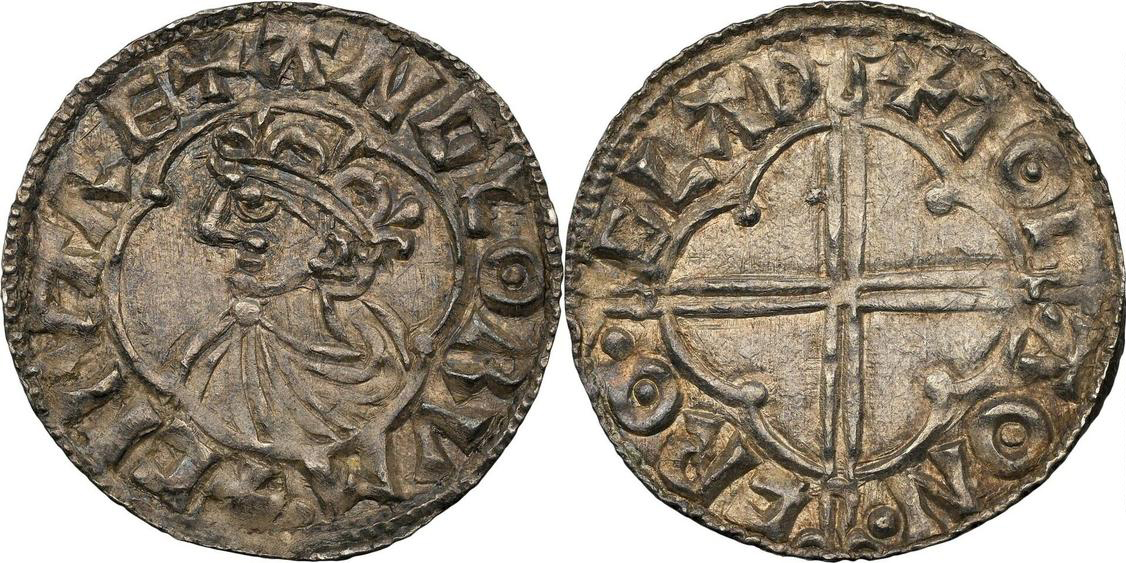
Penny, ND (1016-23).
Cricklade Mint. Cnut.
NGC MS-64.

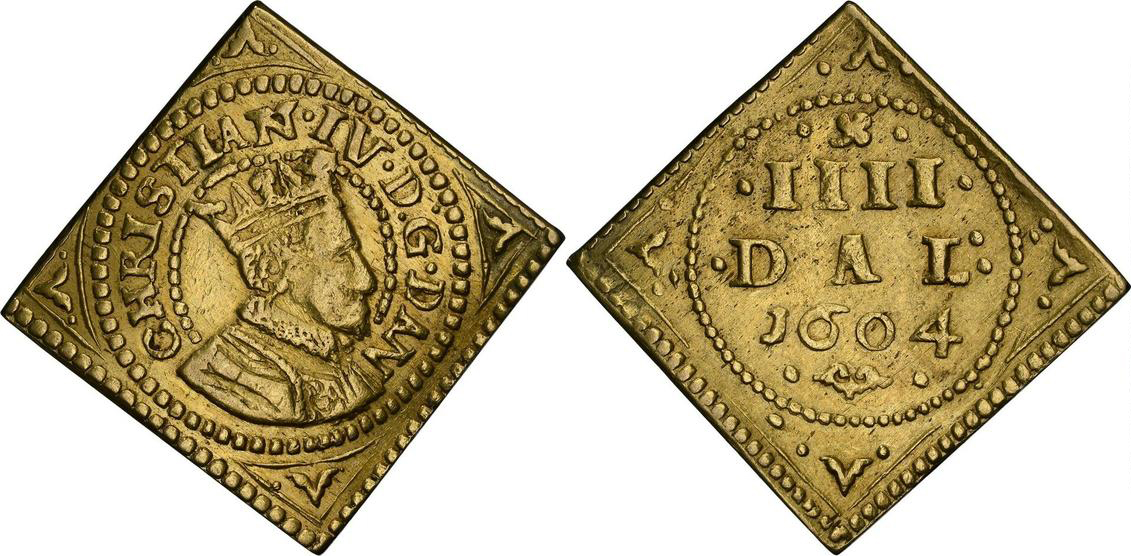
4 Daler Klippe, 1604.
Copenhagen Mint. Christian IV.
NGC AU Details.
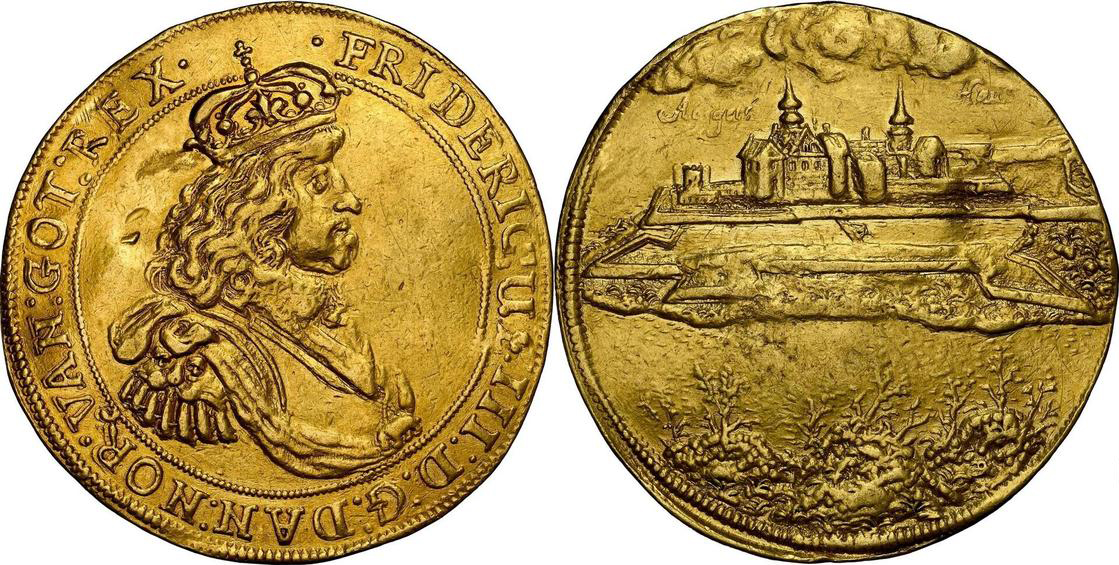
10 Ducat (Portugaloser),
ND (1661). Christiania Mint. Frederik III.
NGC AU Details.
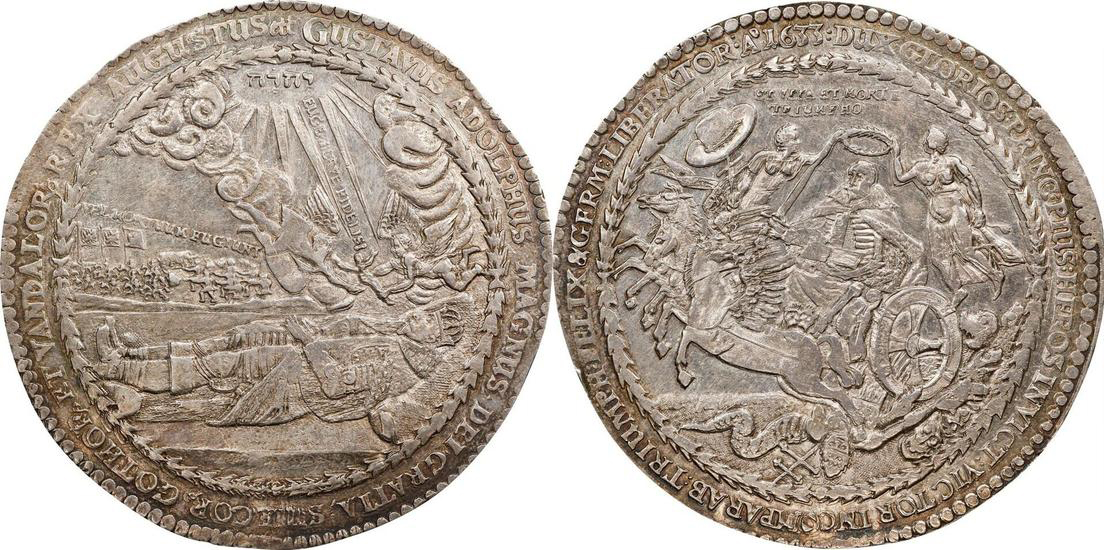
Wolgast. 4 Talers, 1633.
Wolgast Mint. Gustav II Adolf.
NGC AU-58.
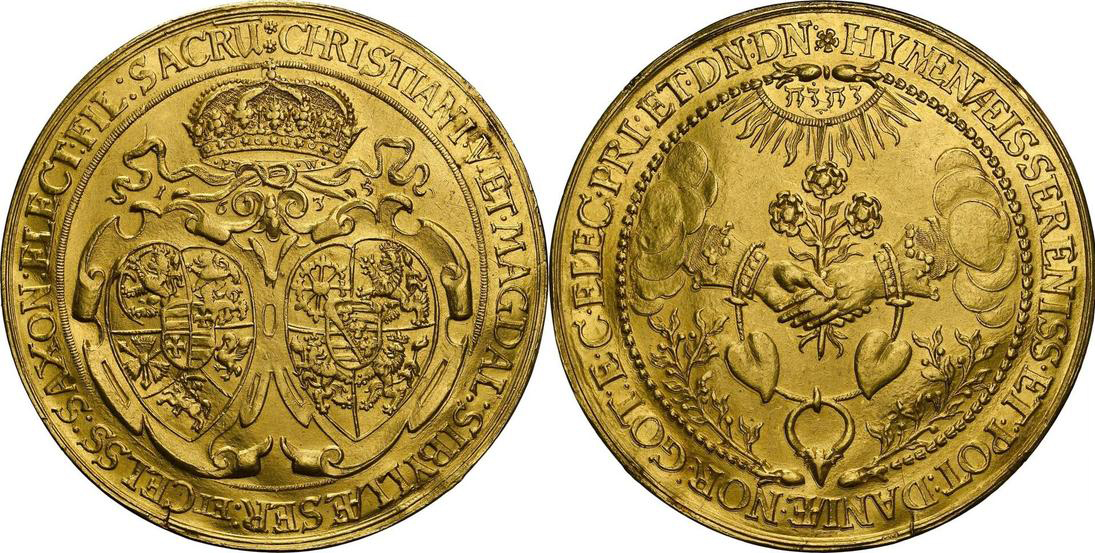
Saxony. Gold Medal /
10 Ducats, 1635. Johann Georg I.
NGC MS-62.
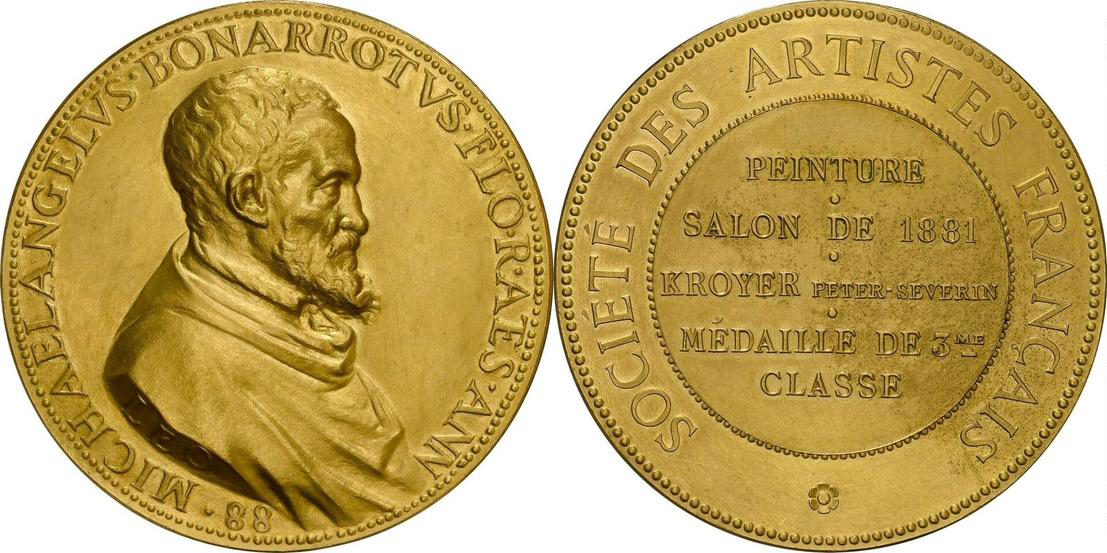
Art Exhibition Gold Medal,
1881. Société des Artistes Français.
NGC MS-61.
Archive: People and Markets
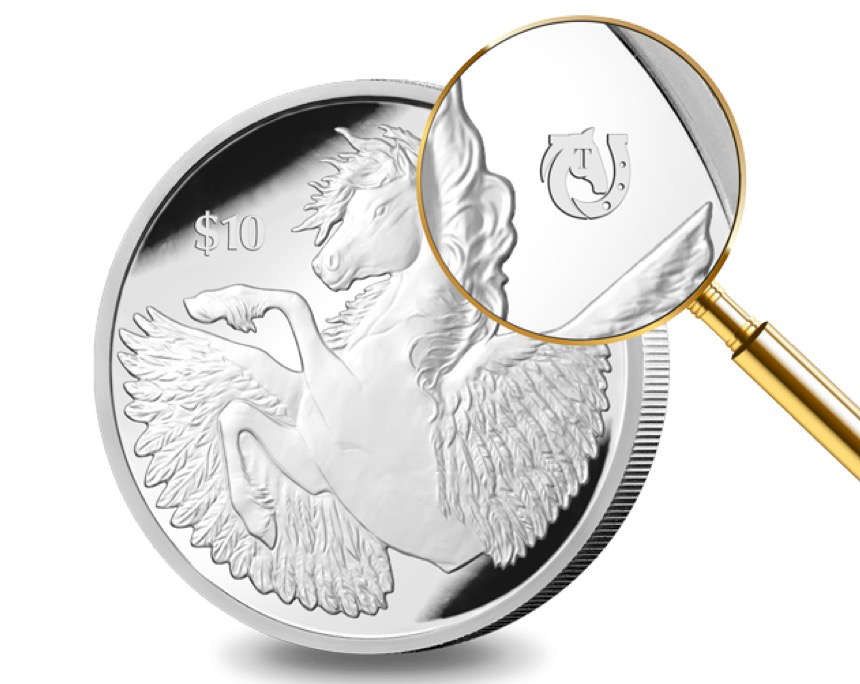
The Last Coin of the Pobjoy Mint
With the end of November, the history of the Pobjoy Mint also comes to an end today. The mint’s final issue is a Pegasus with a special mintmark for Taya Pobjoy. There is also a gold version of the coin with a mintage of 1.
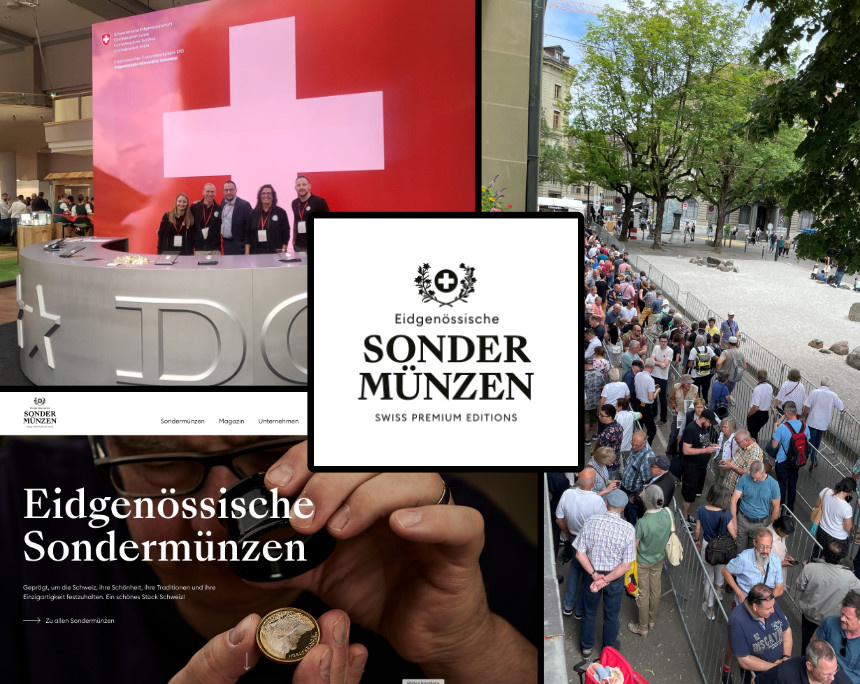
Swissmint as Guest of Honour at the World Money Fair
Modern coins for a modern Switzerland – that is the mission of Swissmint. As the guest of honour at the 2025 World Money Fair, Swissmint has many attractions in store for collectors and visitors. Read on to find out more.

NGC and PMG at the New Numismatic Event in Madrid
Representatives of NGC and PMG will accept submissions, answer questions and provide information about the companies’ services at the new Evento Numismático Internacional Madrid.
CIT’s Reconstruction – Gorilla
The “Reconstruction” series by CIT will amaze connoisseurs and lovers of innovative minting technology alike. This year will see the release of the second issue in of the series: “Gorilla – Guardian of the Jungle”.