











Archive: People and Markets
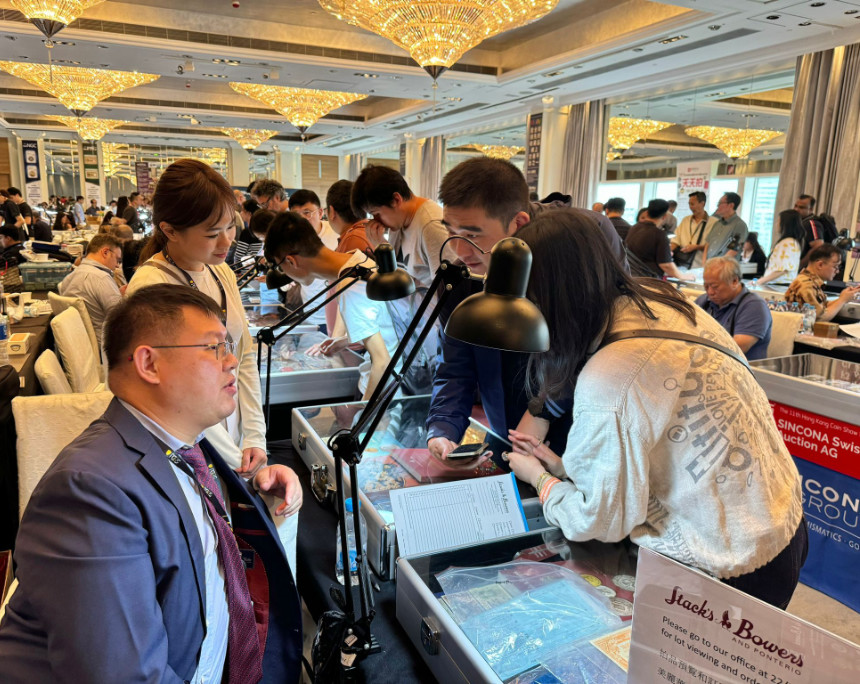
The 12th Hong Kong Coin Show (HKCS)
The 12th Hong Kong Coin Show (HKCS) will take place from Friday, 4th April to Sunday, 6th April. You can expect exhibitors from over 50 countries, auctions, educational seminars, exhibitions, on-site coin grading services and much more – in short: a festival of numismatics!
World Money Fair ‘Minting Experience Centre’: Minting up Close!
The organizers of the World Money Fair have come up with something special for the upcoming event. The new Minting Experience Center that spans over 100 square meters showcases the production steps involved in minting coins. Guests will even have the chance to mint their own World Money Fair collector’s medal.
Archive: Coins, Medals and more
 https://new.coinsweekly.com/wp-content/uploads/2024/02/2024KW06HA_00.jpg
684
860
Ursula Kampmann
https://new.coinsweekly.com/wp-content/uploads/2023/01/logo-coinsweekly_590x204.png
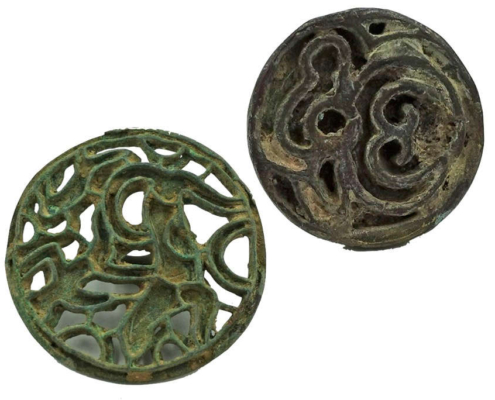
Ursula Kampmann2024-02-08 10:49:082024-02-08 13:52:53The St. Croix Collection of Baktrian Seals
https://new.coinsweekly.com/wp-content/uploads/2024/02/2024KW06HA_00.jpg
684
860
Ursula Kampmann
https://new.coinsweekly.com/wp-content/uploads/2023/01/logo-coinsweekly_590x204.png
Ursula Kampmann2024-02-08 10:49:082024-02-08 13:52:53The St. Croix Collection of Baktrian Seals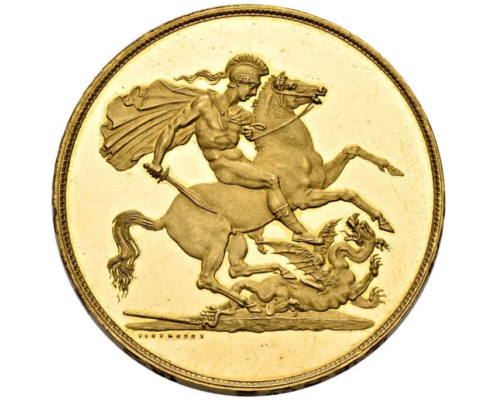 https://new.coinsweekly.com/wp-content/uploads/2023/05/00HASinconaProbe1820.jpg
684
860
Ursula Kampmann
https://new.coinsweekly.com/wp-content/uploads/2023/01/logo-coinsweekly_590x204.png
Ursula Kampmann2023-05-11 09:04:372023-05-12 13:41:02As the King Lay Dying… – The Most Spectacular British Gold Coin of the Modern Era
https://new.coinsweekly.com/wp-content/uploads/2023/05/00HASinconaProbe1820.jpg
684
860
Ursula Kampmann
https://new.coinsweekly.com/wp-content/uploads/2023/01/logo-coinsweekly_590x204.png
Ursula Kampmann2023-05-11 09:04:372023-05-12 13:41:02As the King Lay Dying… – The Most Spectacular British Gold Coin of the Modern Era
Call for Papers: Conference on Ancient Coin Legends in June 2025
From 26th to 28th June 2025 the conference “Ancient coin legends: composition, design, lexicography, and framing potential” will be held in Munich. Abstracts can be sent in until October 31st 2024.
The Second Issue on Swiss Cable Cars: The Titlis Cable Car
Attention cable car enthusiasts: Swissmint is launching the second issue in its series on Swiss cable cars. The subject of the third and final coin in the series has also already been announced.