







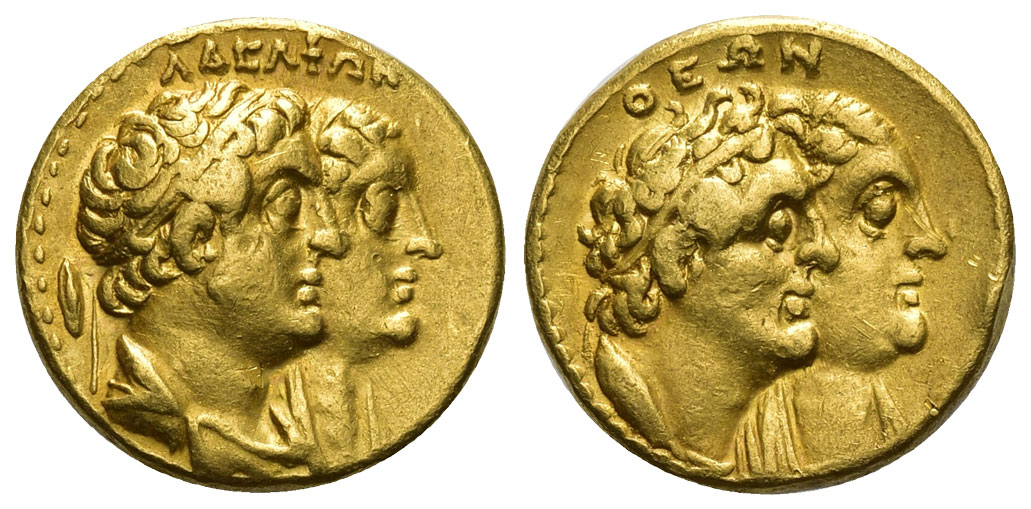
AV Tetradrachm (282–272 BC),
King Ptolemy II and Queen Arsinoe II.
From the major collection of Alexandria mint.
Condition: vf+
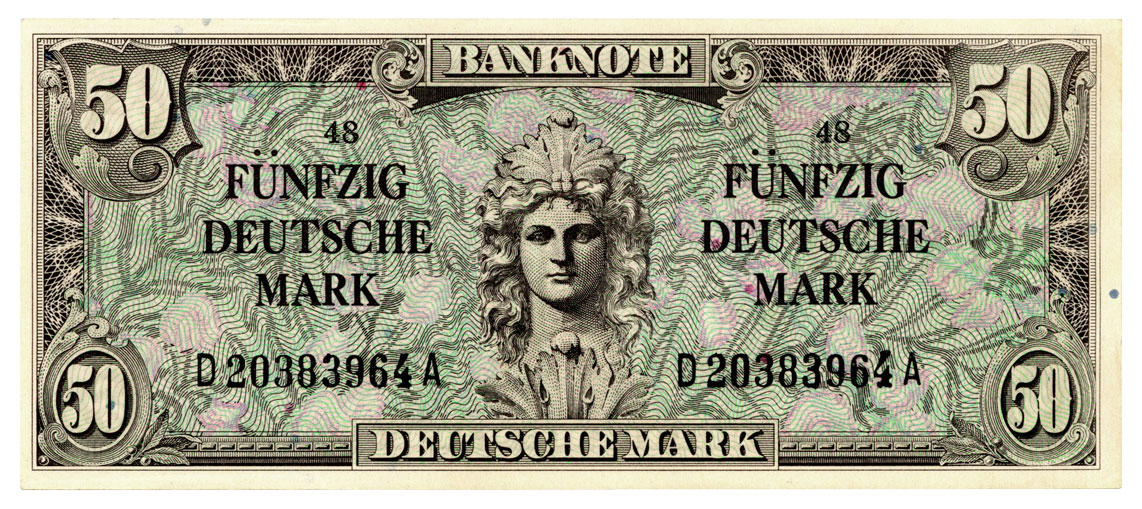
50 Deutsche Mark o.D. ( 1948-1949) "Liberty".
Condition: extremly rare, I
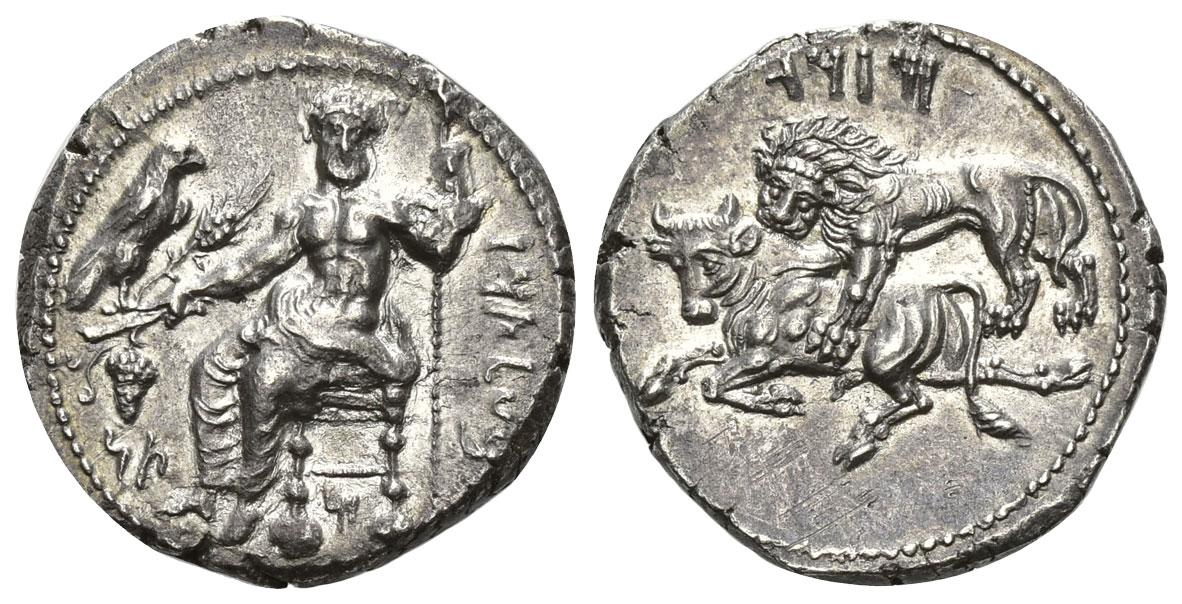
AR Stater (361-334 BC).
Obv. Baal of Tarsos.
Conditon: ef
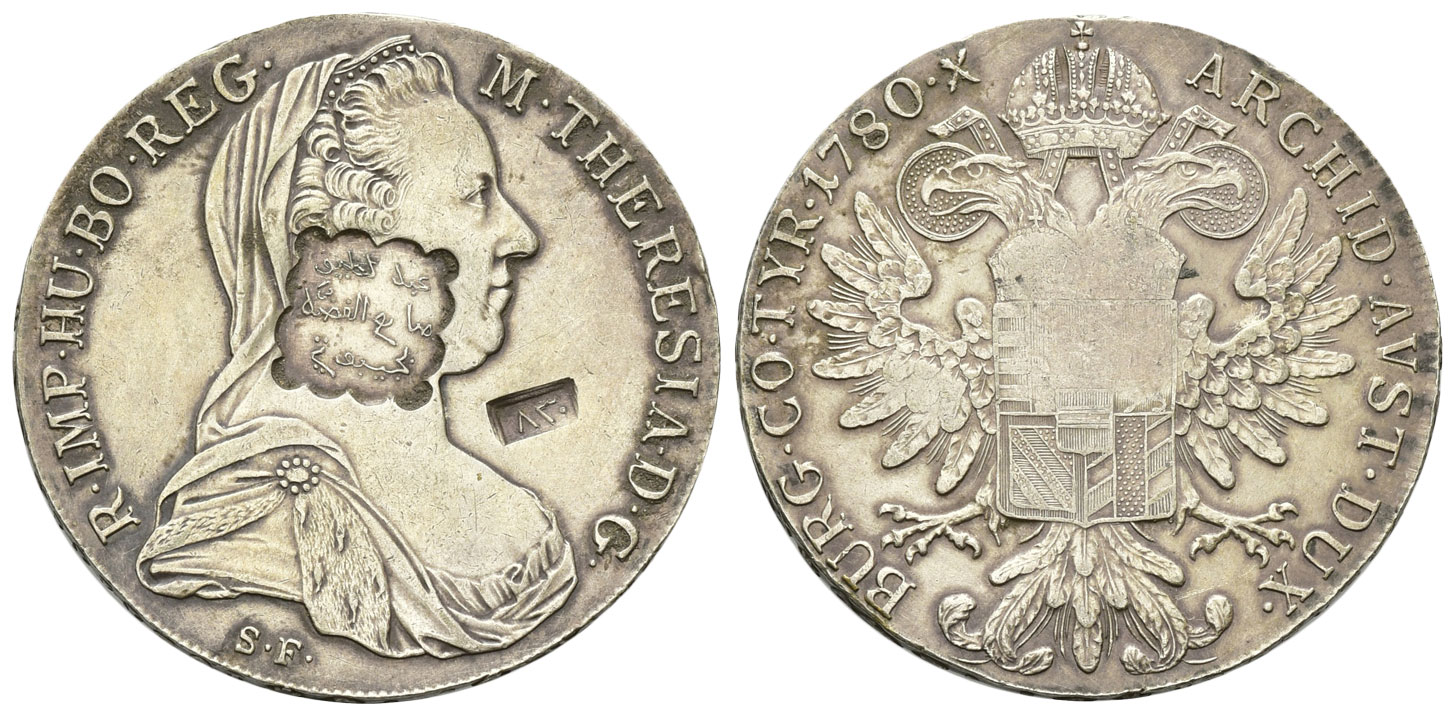
Taler 1780 SF
with counter stamp Djibouti (1870-1900).
Condition: vf
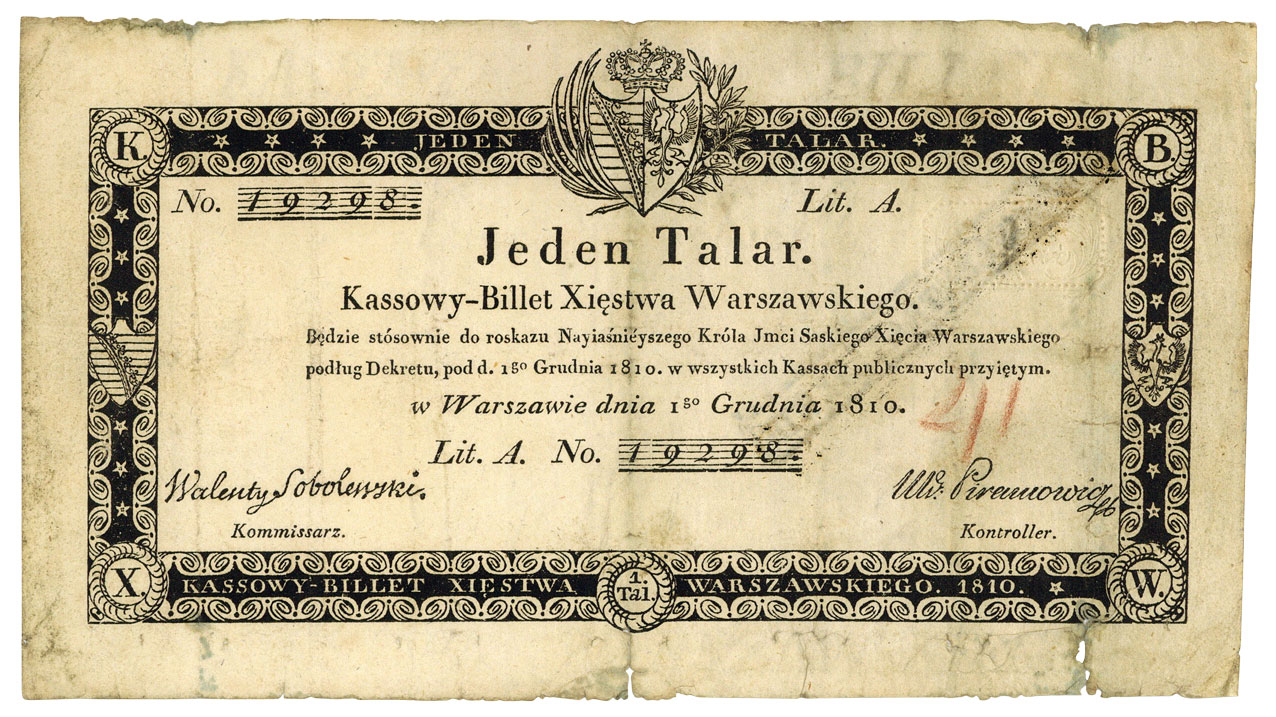
1 Talar 1. December 1810.
Condition: III-IV
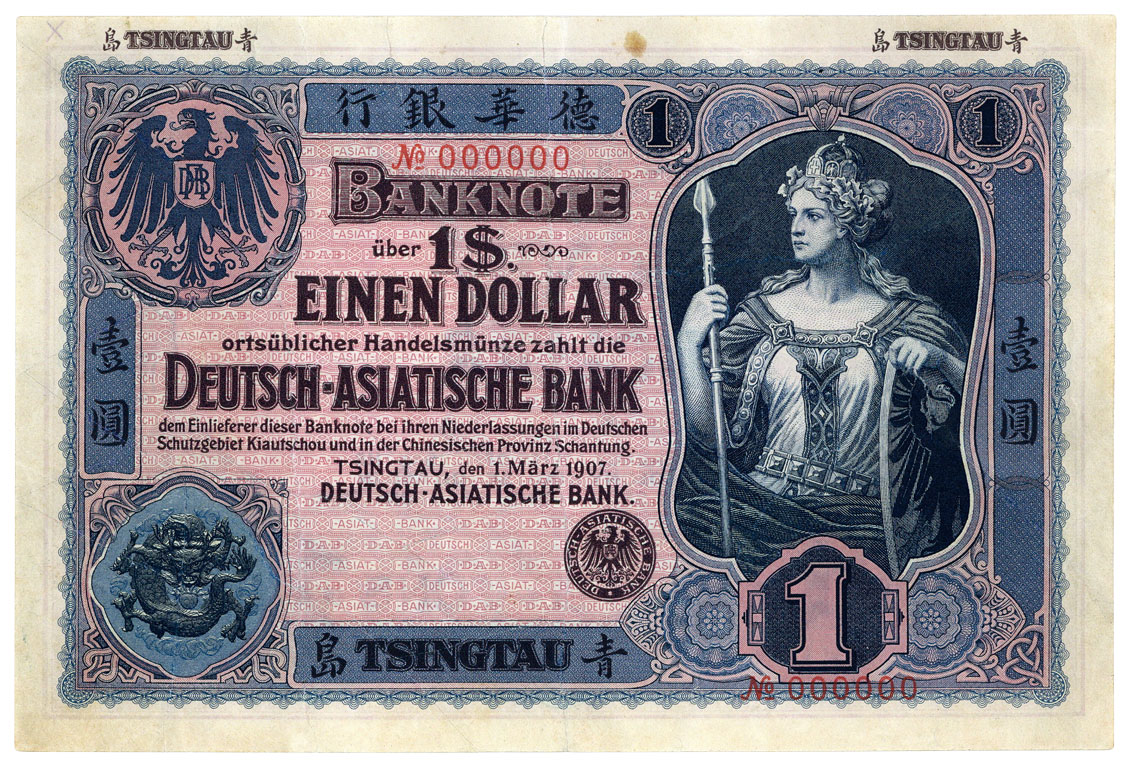
1 Dollar 1.3.1907, Tsingtao.
Condition: very rare, restored
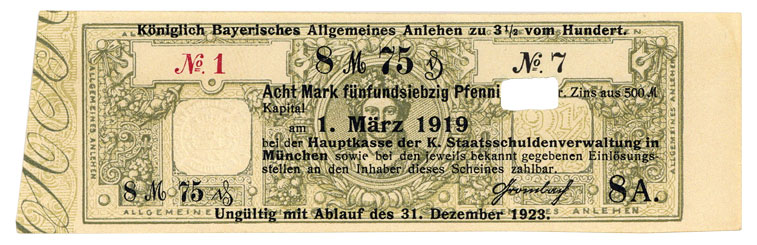
Royal Bavarian General Loan.
8.75 Marks, March 1, 1919.
Condition: rare, I
Archive: People and Markets
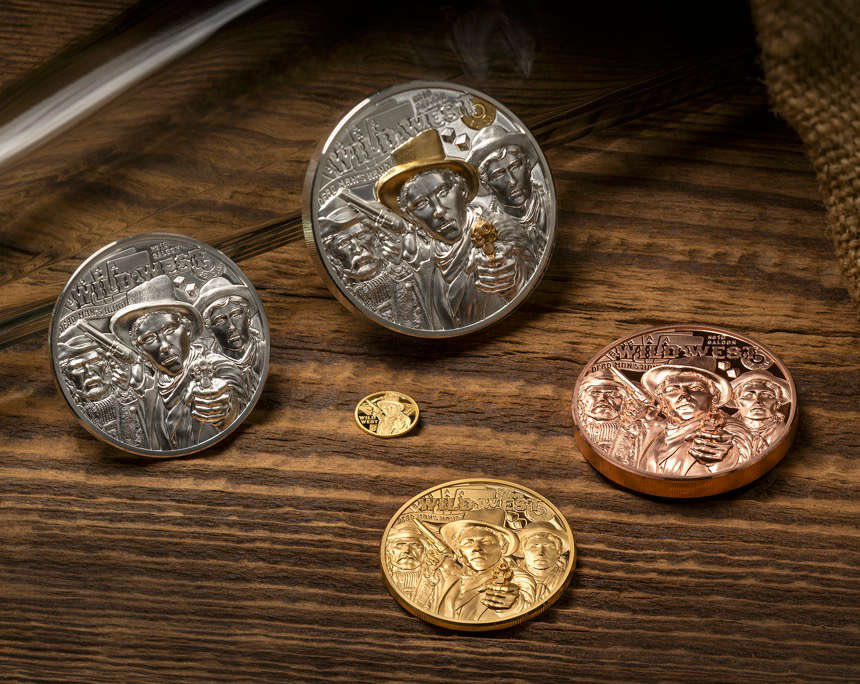
CIT’s Legends – Wild West
In 2024, CIT releases the third issue of its Legends series. Following Terracotta Warriors and Legacy of the Pharaohs, the Liechtenstein innovators now showcase one of our favorite legends: the Wild West. The issue incorporates countless details that are reminiscent of classic Hollywood western movies.

Hideo Futahashi (†2024)
We have only now learned that Hideo Futahashi has passed away. Mr. Futahashi was a key figure for Europeans looking to gain a foothold in the Japanese coin market. He was one of those open-minded Japanese who loved introducing European coin enthusiasts to the beauty of his country.
Archive: Coins, Medals and more
 https://new.coinsweekly.com/wp-content/uploads/2025/05/2025KW20HA02_00.jpg
684
860
Lucie Loechel
https://new.coinsweekly.com/wp-content/uploads/2023/01/logo-coinsweekly_590x204.png
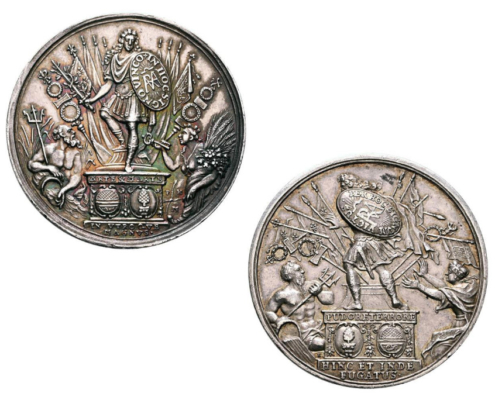
Lucie Loechel2025-05-15 10:14:562025-05-15 10:14:56Between Triumph and Tragedy – Maximilian II Emanuel, “The Prince of Bankrupts”
https://new.coinsweekly.com/wp-content/uploads/2025/05/2025KW20HA02_00.jpg
684
860
Lucie Loechel
https://new.coinsweekly.com/wp-content/uploads/2023/01/logo-coinsweekly_590x204.png
Lucie Loechel2025-05-15 10:14:562025-05-15 10:14:56Between Triumph and Tragedy – Maximilian II Emanuel, “The Prince of Bankrupts”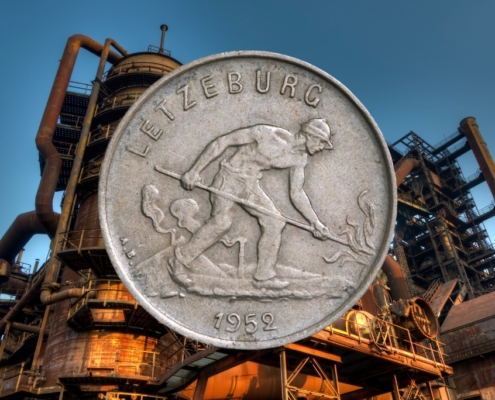 https://new.coinsweekly.com/wp-content/uploads/2024/02/2024KW09aHauptartikel_00.jpg
684
860
Ursula Kampmann
https://new.coinsweekly.com/wp-content/uploads/2023/01/logo-coinsweekly_590x204.png
Ursula Kampmann2024-02-29 09:19:272024-02-29 14:11:43A Coin on a Coin: Luxembourg to Resurrect the “Feierstëppler”
https://new.coinsweekly.com/wp-content/uploads/2024/02/2024KW09aHauptartikel_00.jpg
684
860
Ursula Kampmann
https://new.coinsweekly.com/wp-content/uploads/2023/01/logo-coinsweekly_590x204.png
Ursula Kampmann2024-02-29 09:19:272024-02-29 14:11:43A Coin on a Coin: Luxembourg to Resurrect the “Feierstëppler”
10th Edition of Friedberg’s Gold Coins of the World
You cannot do without this classic when it comes to identifying gold coins! Now, the 10th edition of Coins of the World has been published.
Smithsonian Acquires Largest Collection of Charleston Slave Badges
The Smithsonian’s National Museum of African American History and Culture recently acquired what is thought to be the largest and most complete set of Charleston Slave Badges. A new website informs about the historical significance of these badges.