






Archive: People and Markets
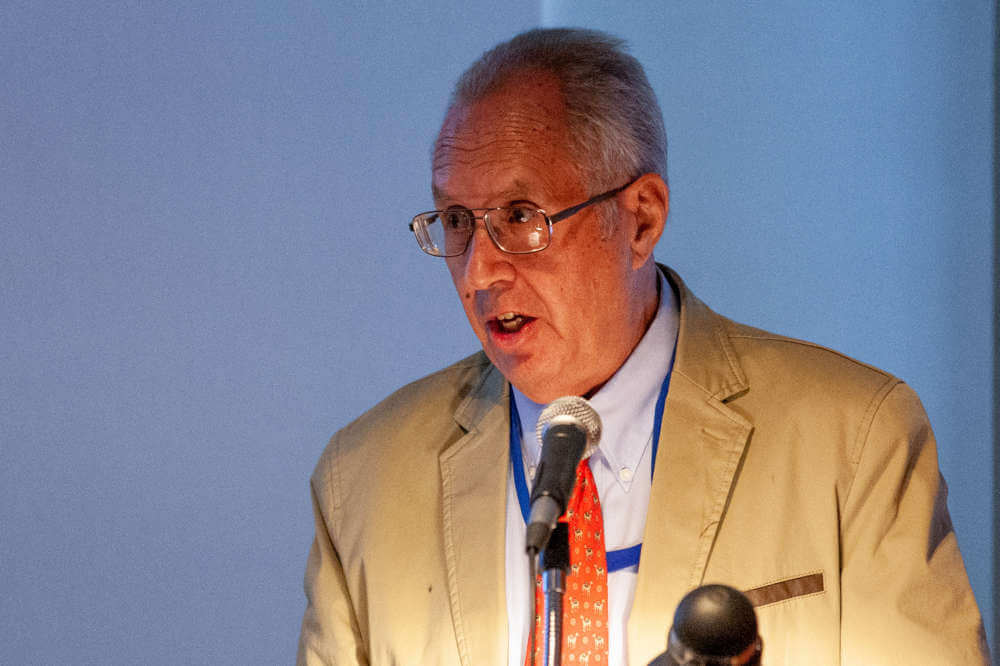
Jere L. Bacharach (1938-2023)
Jere L. Bacharach, expert on Islamic numismatics, died in April 2023. The ANS remembers its long-time member of the Board of Trustees, and an invaluable scholar of the numismatic community and Middle Eastern studies.
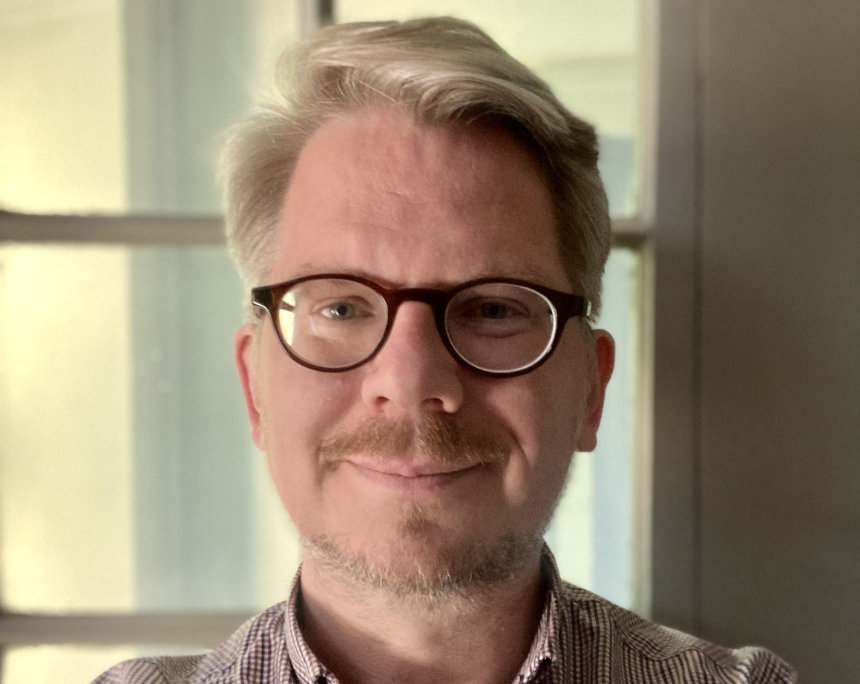
New Director of the Winterthur Coin Cabinet Appointed
Gunnar Dumke will be the new director of Winterthur Coin Cabinet. The ancient historian and archaeologist will succeed Benedikt Zäch, who is retiring after thirty years at this position.
Archive: Coins, Medals and more
 https://new.coinsweekly.com/wp-content/uploads/2025/02/2025KW09HA01_00.jpg
684
860
Lucie Loechel
https://new.coinsweekly.com/wp-content/uploads/2023/01/logo-coinsweekly_590x204.png
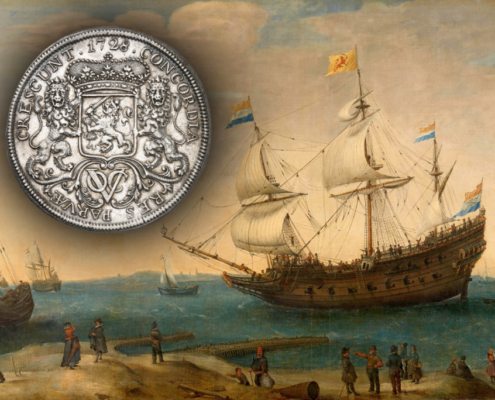
Lucie Loechel2025-02-27 10:27:202025-02-27 12:01:04VOC: The Other Side of the Dutch Golden Age
https://new.coinsweekly.com/wp-content/uploads/2025/02/2025KW09HA01_00.jpg
684
860
Lucie Loechel
https://new.coinsweekly.com/wp-content/uploads/2023/01/logo-coinsweekly_590x204.png
Lucie Loechel2025-02-27 10:27:202025-02-27 12:01:04VOC: The Other Side of the Dutch Golden Age https://new.coinsweekly.com/wp-content/uploads/2025/02/2025KW06HA_00.jpg
684
860
Lucie Loechel
https://new.coinsweekly.com/wp-content/uploads/2023/01/logo-coinsweekly_590x204.png
Lucie Loechel2025-02-06 07:00:302025-02-06 15:38:12Coins on Coins: When Numismatic Legends Are Reborn
https://new.coinsweekly.com/wp-content/uploads/2025/02/2025KW06HA_00.jpg
684
860
Lucie Loechel
https://new.coinsweekly.com/wp-content/uploads/2023/01/logo-coinsweekly_590x204.png
Lucie Loechel2025-02-06 07:00:302025-02-06 15:38:12Coins on Coins: When Numismatic Legends Are Reborn
Register Now for the 30th Annual ICOMON Conference
The Economy Museum in Stockholm will host this year’s conference of the International Committee for Money and Banking Museums (ICOMON) on 25-28 September 2024. The registration is now open and the preliminary program is available online.
The Jewish-American Hall of Fame Presents a Medal in Honor of David Ben-Gurion
To commemorate Israel’s 75th Anniversary of Independence, the Jewish-American Hall of Fame has issued a medal commemorating featuring a portrait of “The Father of Modern Israel” – David Ben-Gurion.