







Archive: People and Markets
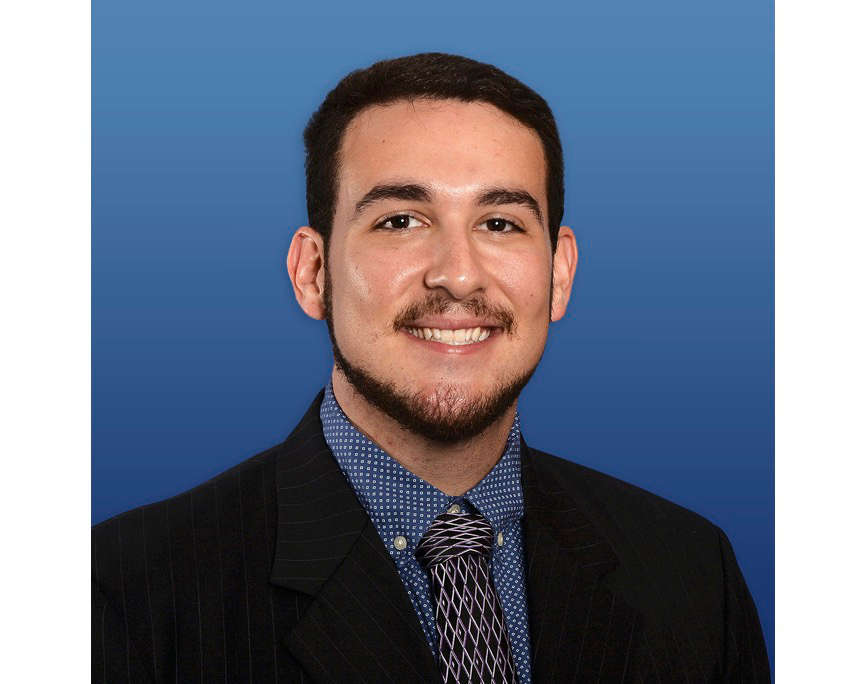
NGC Promotes Ben Wengel to Senior Vice President of World Coin Grading
NGC promoted Ben Wengel to Senior Vice President of World Coin Grading. The expert for coin counterfeit detection has worked for NGC since his time as a university student.
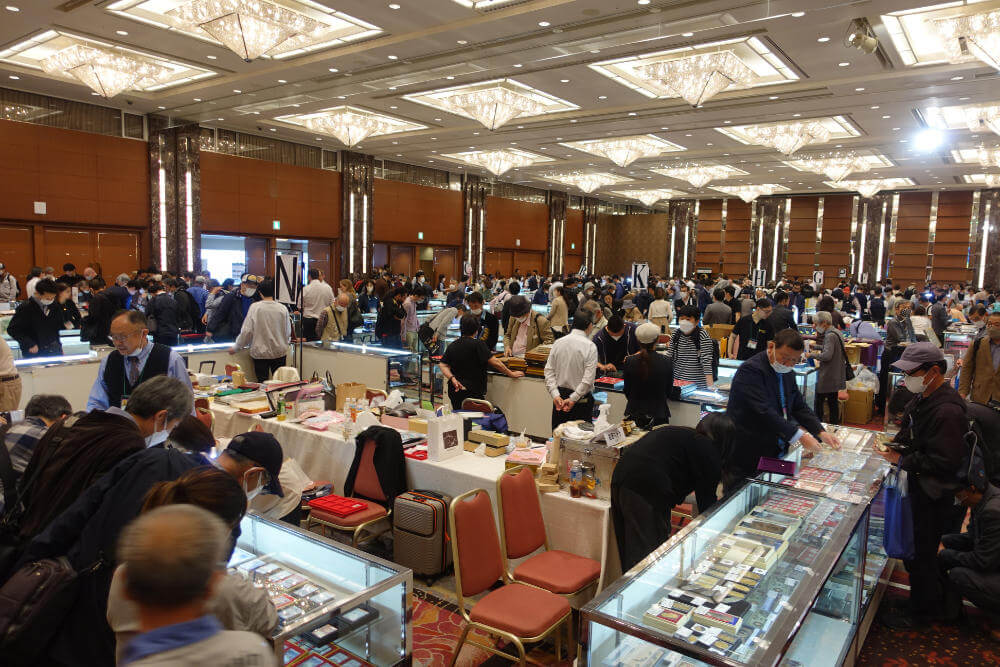
TICC: The Best Organised Coin Show in the World
Sometimes it takes a look outside the box to get some inspiration for how the coin show of the future might look like. The TICC in Japan certainly has some fresh ideas to offer. Ursula Kampmann reports on what she experienced in Tokyo.
Archive: Coins, Medals and more
 https://new.coinsweekly.com/wp-content/uploads/2023/06/00_shutterstock_1926678794-Kopie.jpg
667
1000
Bruno
https://new.coinsweekly.com/wp-content/uploads/2023/01/logo-coinsweekly_590x204.png
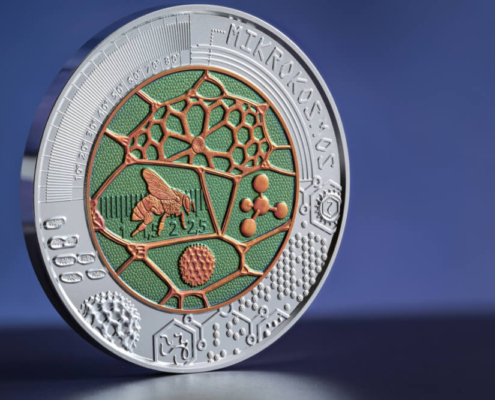
Bruno2022-06-13 11:36:162023-07-03 12:01:36Coloured Metal from Austria: Niobium Coins
https://new.coinsweekly.com/wp-content/uploads/2023/06/00_shutterstock_1926678794-Kopie.jpg
667
1000
Bruno
https://new.coinsweekly.com/wp-content/uploads/2023/01/logo-coinsweekly_590x204.png
Bruno2022-06-13 11:36:162023-07-03 12:01:36Coloured Metal from Austria: Niobium Coins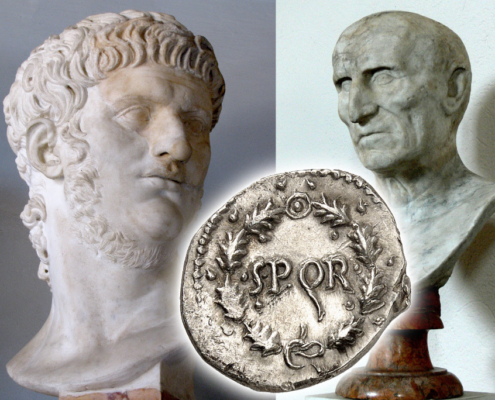 https://new.coinsweekly.com/wp-content/uploads/2024/11/2024KW45HA1_00.jpg
684
860
Bruno
https://new.coinsweekly.com/wp-content/uploads/2023/01/logo-coinsweekly_590x204.png
Bruno2024-11-07 08:49:152024-11-08 14:14:32The Roman Civil War of 68/9: The Prelude to the Year of the Four Emperors
https://new.coinsweekly.com/wp-content/uploads/2024/11/2024KW45HA1_00.jpg
684
860
Bruno
https://new.coinsweekly.com/wp-content/uploads/2023/01/logo-coinsweekly_590x204.png
Bruno2024-11-07 08:49:152024-11-08 14:14:32The Roman Civil War of 68/9: The Prelude to the Year of the Four Emperors
What the Second Trump Administration Might Mean for Collectors
What does Donald Trump’s return to the White House mean for collectors in the USA? Will the new Administration help “Make Collecting Great Again” or will it be anti-collecting business as usual at the State Department and other government agencies? Predictions are always perilous to make, but Peter Tompa has dared to make some nonetheless.
NGC and PMG at the New Numismatic Event in Madrid
Representatives of NGC and PMG will accept submissions, answer questions and provide information about the companies’ services at the new Evento Numismático Internacional Madrid.