







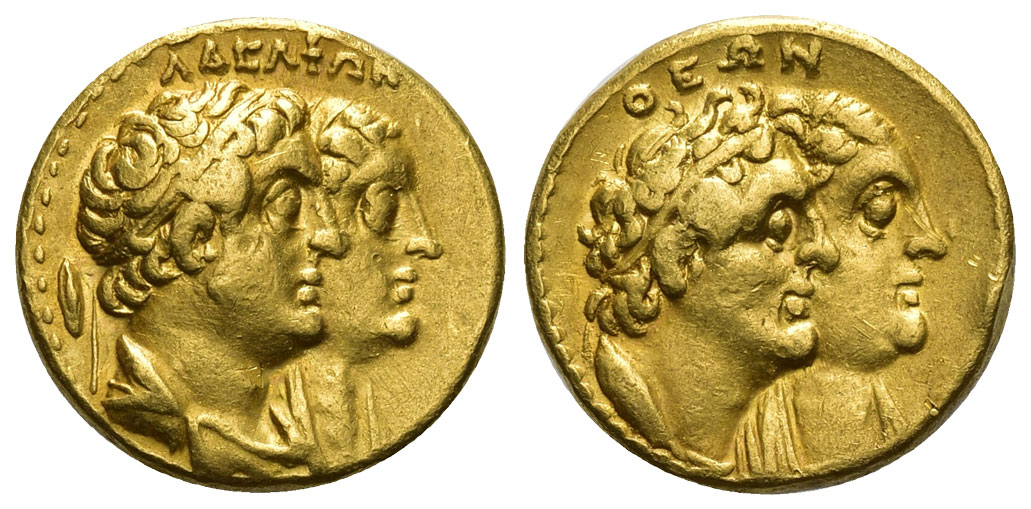
AV Tetradrachm (282–272 BC),
King Ptolemy II and Queen Arsinoe II.
From the major collection of Alexandria mint.
Condition: vf+
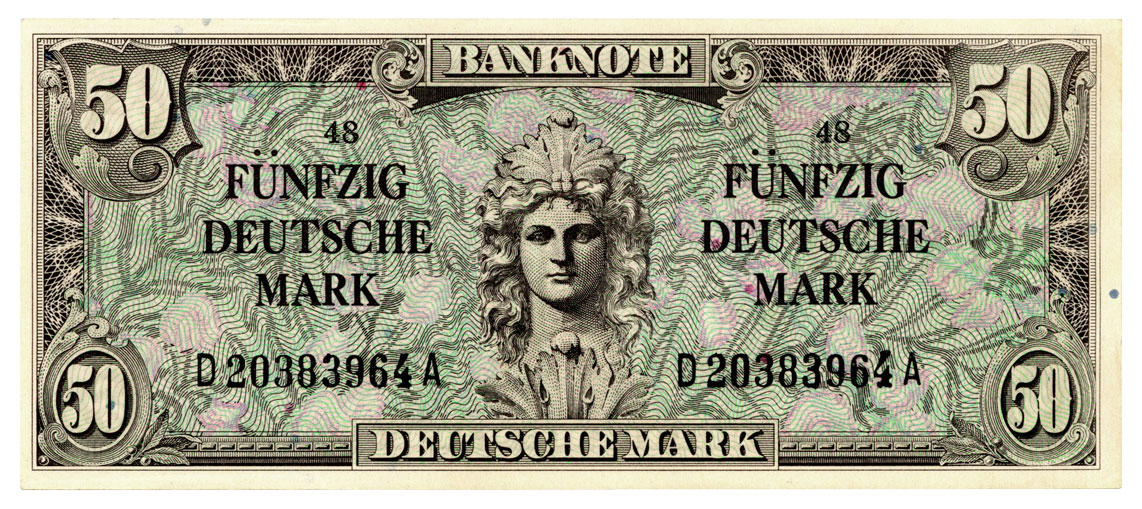
50 Deutsche Mark o.D. ( 1948-1949) "Liberty".
Condition: extremly rare, I
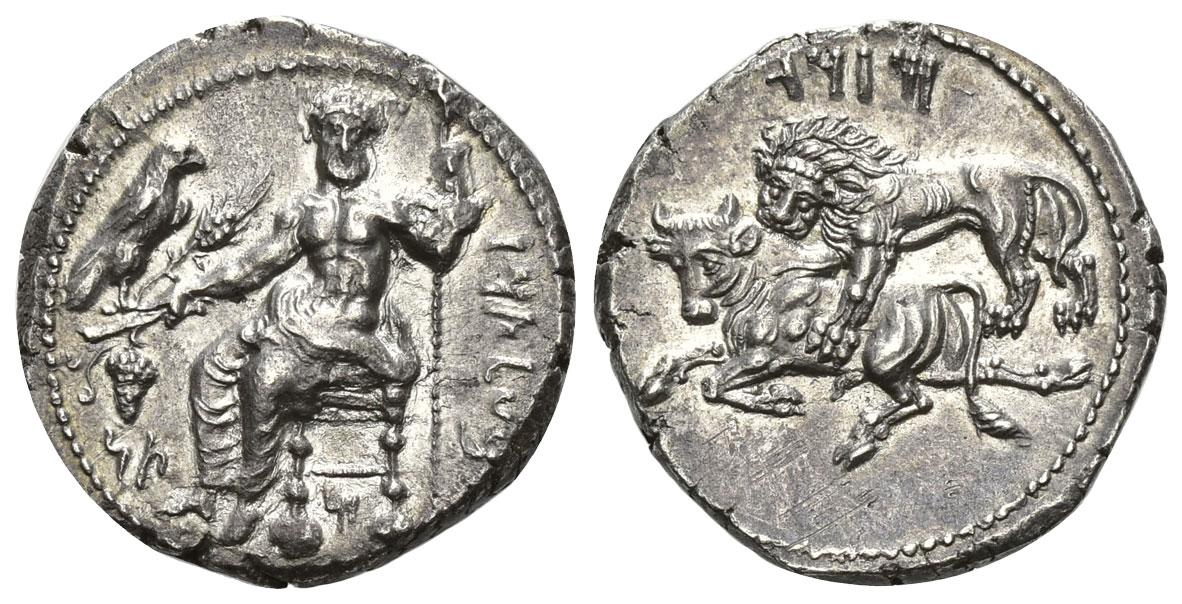
AR Stater (361-334 BC).
Obv. Baal of Tarsos.
Conditon: ef
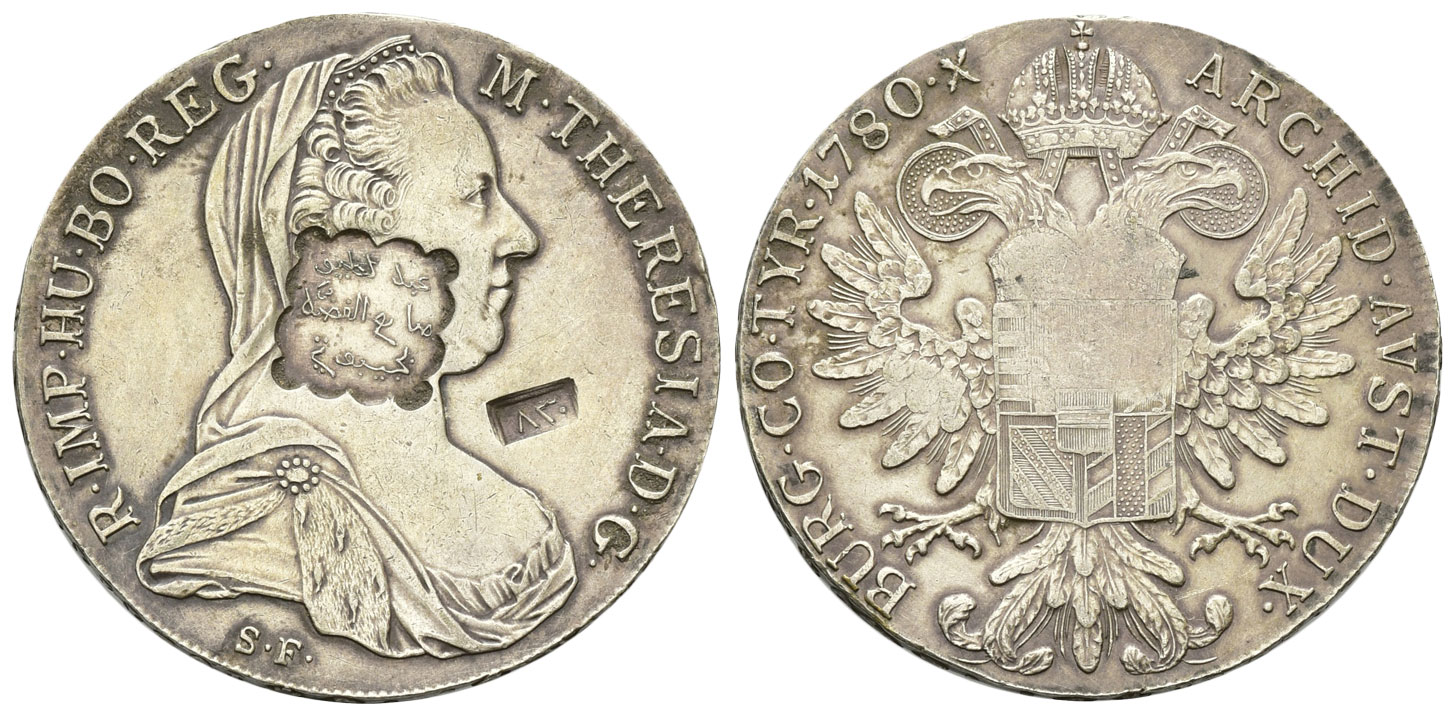
Taler 1780 SF
with counter stamp Djibouti (1870-1900).
Condition: vf
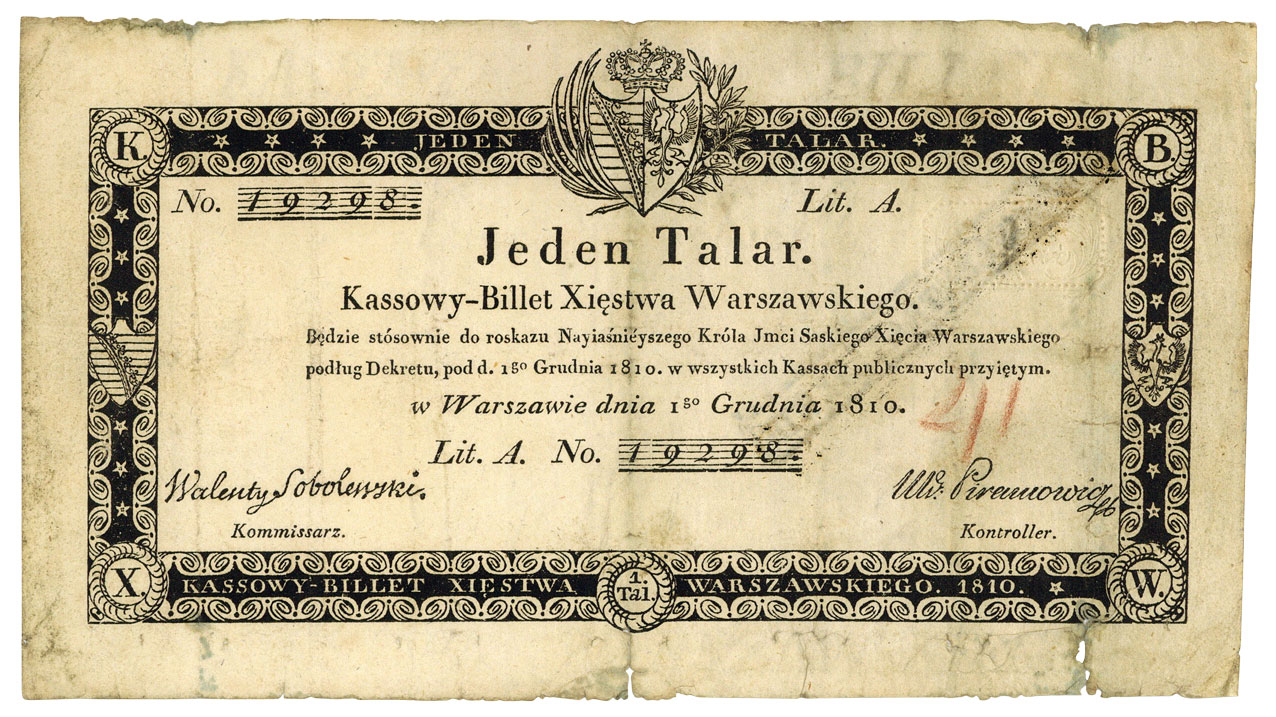
1 Talar 1. December 1810.
Condition: III-IV
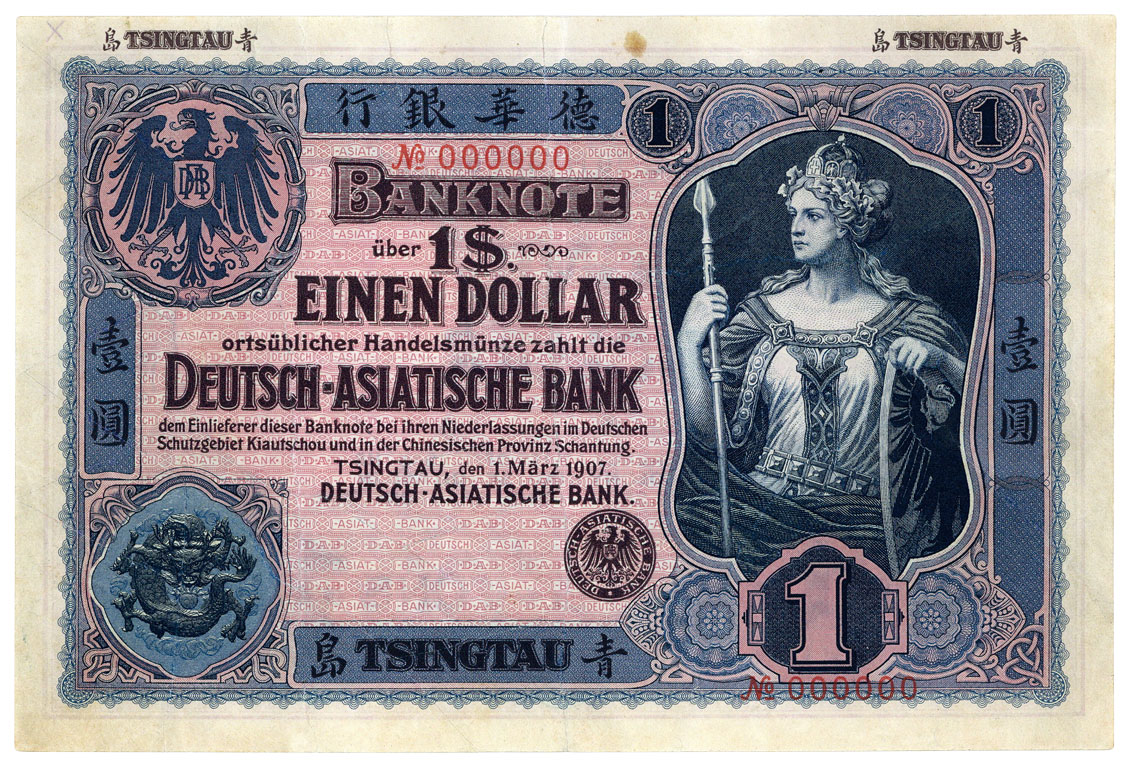
1 Dollar 1.3.1907, Tsingtao.
Condition: very rare, restored
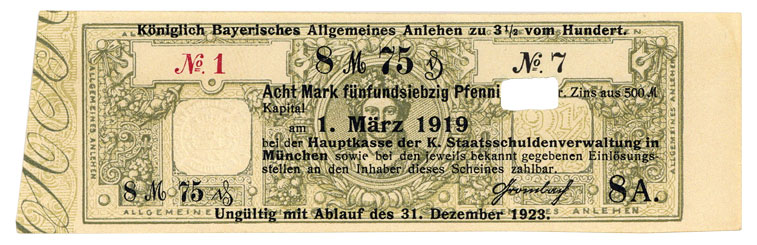
Royal Bavarian General Loan.
8.75 Marks, March 1, 1919.
Condition: rare, I
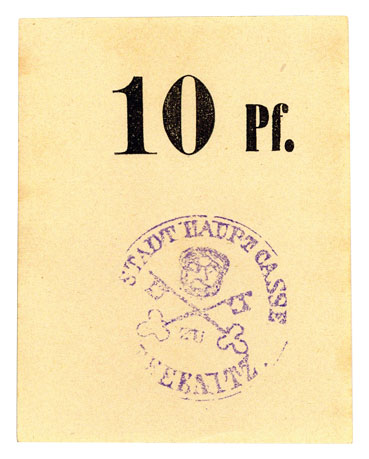
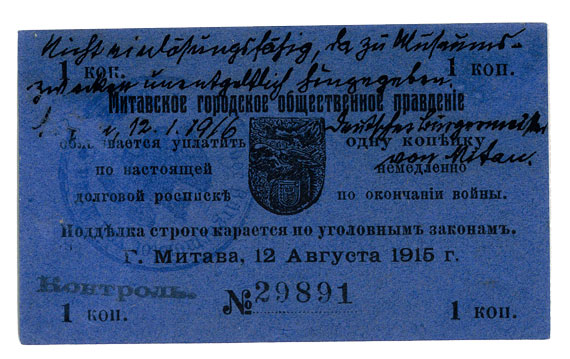
Archive: People and Markets
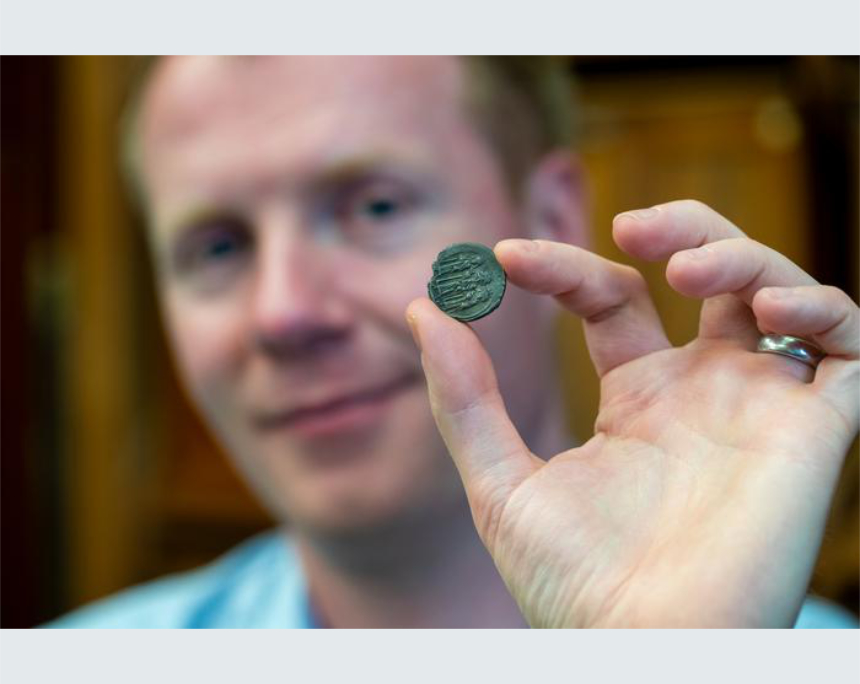
Where Did Silver Come from in Early Medieval Europe?
In the mid-7th century, a veritable silver coin boom set off in the North Sea Region. So far, the question of where the silver for the coins came from was up for speculation. A new study provides concrete results.
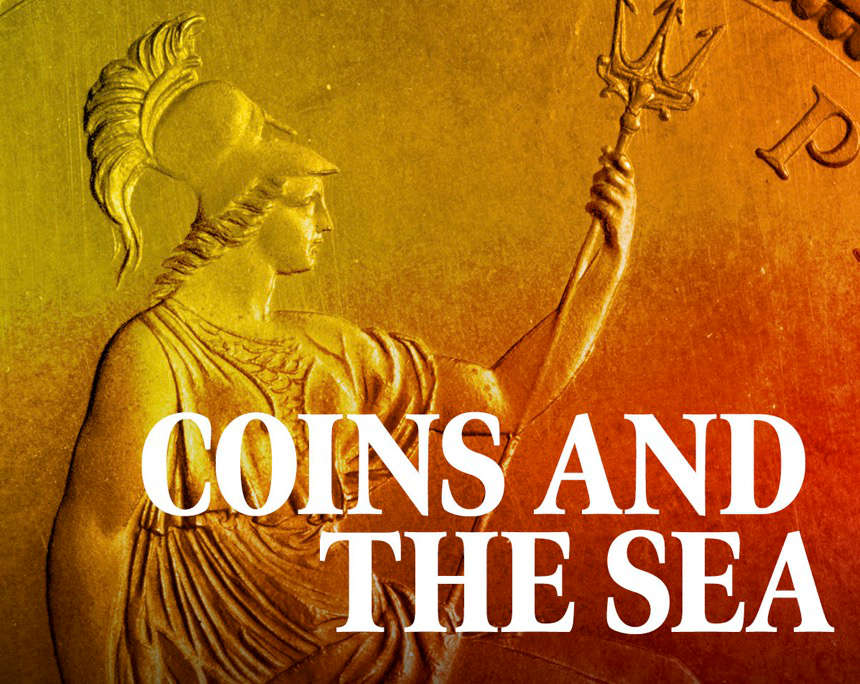
Numismatics for the Ears: The Royal Mint Museum Explores Britain’s Seafaring History in New Podcast
The Royal Mint Museum has launched its first-ever podcast series, called “Coins and the Sea.” The podcast is part of a wider project, which includes a temporary exhibition at The Royal Mint Experience.
Archive: Coins, Medals and more
 https://new.coinsweekly.com/wp-content/uploads/2024/06/2024KW26HA_00.jpg
684
860
Ursula Kampmann
https://new.coinsweekly.com/wp-content/uploads/2023/01/logo-coinsweekly_590x204.png
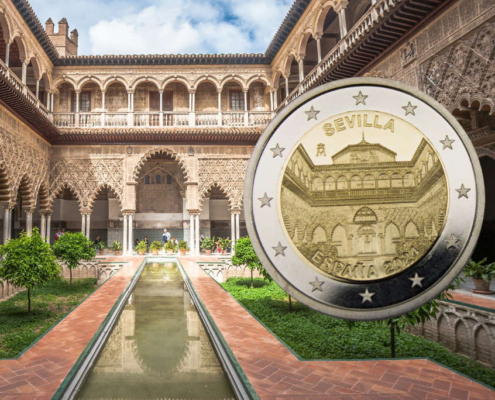
Ursula Kampmann2024-06-27 08:00:492024-06-27 09:39:25The Secret of the Success of State Quarters, UNESCO Coins and Federal State Series
https://new.coinsweekly.com/wp-content/uploads/2024/06/2024KW26HA_00.jpg
684
860
Ursula Kampmann
https://new.coinsweekly.com/wp-content/uploads/2023/01/logo-coinsweekly_590x204.png
Ursula Kampmann2024-06-27 08:00:492024-06-27 09:39:25The Secret of the Success of State Quarters, UNESCO Coins and Federal State Series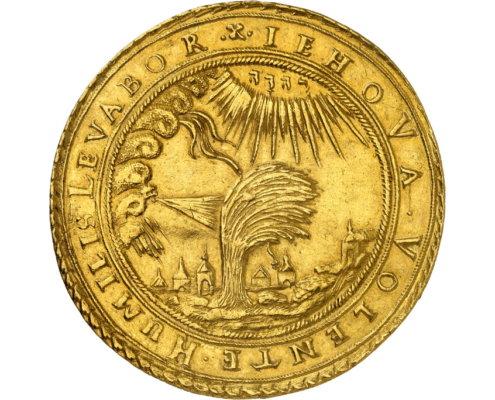 https://new.coinsweekly.com/wp-content/uploads/2024/12/2024KW49HA_00-1.jpg
684
860
Lucie Loechel
https://new.coinsweekly.com/wp-content/uploads/2023/01/logo-coinsweekly_590x204.png
Lucie Loechel2024-12-12 09:49:262024-12-12 10:13:15The Bending Willow Tree
https://new.coinsweekly.com/wp-content/uploads/2024/12/2024KW49HA_00-1.jpg
684
860
Lucie Loechel
https://new.coinsweekly.com/wp-content/uploads/2023/01/logo-coinsweekly_590x204.png
Lucie Loechel2024-12-12 09:49:262024-12-12 10:13:15The Bending Willow Tree
Bulgaria Will Adopt the Euro in 2026
The euro area is expanding: On June 4, 2025, the European Central Bank confirmed that Bulgaria meets the requirements for joining the eurozone. This clears the way for the introduction of the euro on January 1, 2026 – provided that preparations can be completed in time.
Famous Dacian Helmet Stolen – Thieves Blasted Their Way Into the Museum
On the night of 24 to 25 January, a museum in Assen, Netherlands, was targeted by thieves. They stole four important Dacian gold objects from a temporary exhibition – including the famous Coțofenești helmet. Do we have to worry about it being melted down as well?