






Archive: People and Markets
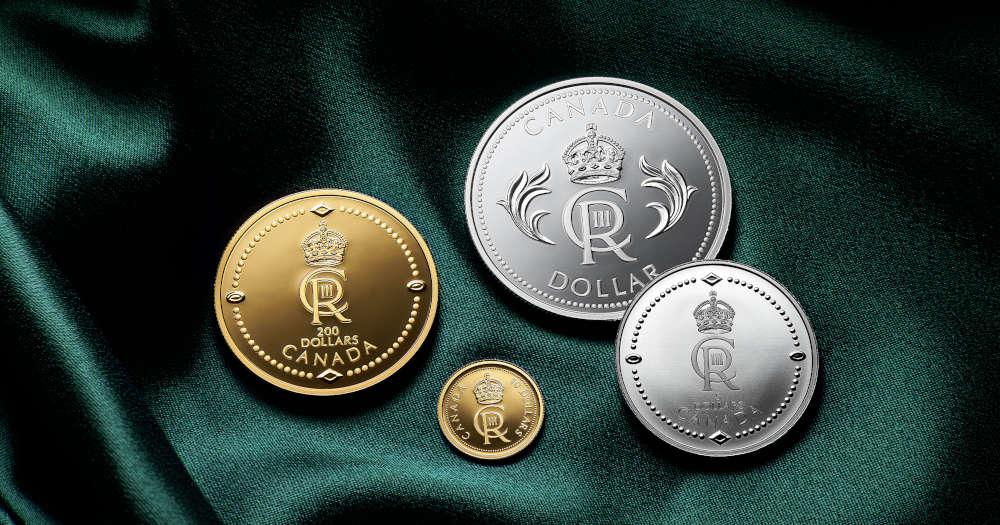
How Canada’s Coins Celebrate the Coronation of King Charles III
The Royal Canadian Mint released collector coins in celebration of King Charles’ Coronation. The coins feature the new Royal Cypher but not yet the King’s portrait. Find here more information about when to expect his portrait.

A Visit to Alesia
Alesia is part of France’s national heritage; it is where Vercingetorix lost the decisive battle against Caesar. Time and again, French politicians have been inspired by this defeat. It fuelled their will to resist and motivated France to cooperate with victorious powers. This also affected the place itself, which Ursula Kampmann visited.
Archive: Coins, Medals and more
 https://new.coinsweekly.com/wp-content/uploads/2023/08/2023KW34HA_00.jpg
684
860
Bruno
https://new.coinsweekly.com/wp-content/uploads/2023/01/logo-coinsweekly_590x204.png
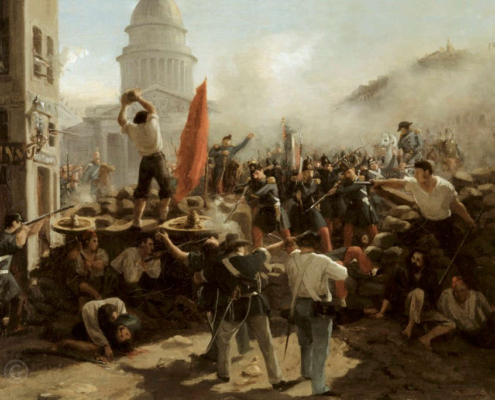
Bruno2023-08-23 10:16:152023-08-23 10:16:15French History in Coins – Part 2: From the Second Republic to the Second Empire
https://new.coinsweekly.com/wp-content/uploads/2023/08/2023KW34HA_00.jpg
684
860
Bruno
https://new.coinsweekly.com/wp-content/uploads/2023/01/logo-coinsweekly_590x204.png
Bruno2023-08-23 10:16:152023-08-23 10:16:15French History in Coins – Part 2: From the Second Republic to the Second Empire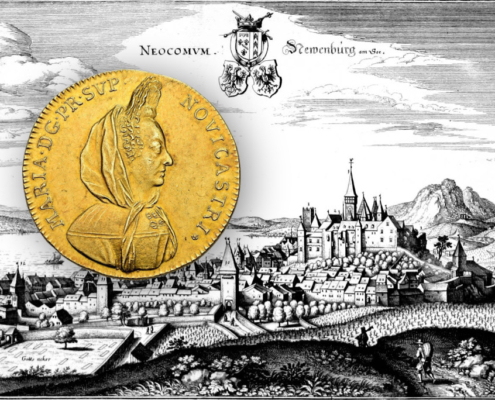 https://new.coinsweekly.com/wp-content/uploads/2024/10/2024KW41HA1_00.jpg
684
860
Lucie Loechel
https://new.coinsweekly.com/wp-content/uploads/2023/01/logo-coinsweekly_590x204.png
Lucie Loechel2024-10-10 13:41:242024-10-10 13:46:34Why Neuchâtel Is Not Part of France Today
https://new.coinsweekly.com/wp-content/uploads/2024/10/2024KW41HA1_00.jpg
684
860
Lucie Loechel
https://new.coinsweekly.com/wp-content/uploads/2023/01/logo-coinsweekly_590x204.png
Lucie Loechel2024-10-10 13:41:242024-10-10 13:46:34Why Neuchâtel Is Not Part of France Today
Further Thefts at Royal Coin Cabinet Brought to Trial
The systematic thefts at the Royal Coin Cabinet in Stockholm were not committed by one single person. Another employee helped himself to some objects. At present, prosecutors are trying to prove the man stole coins worth more than 3.8 million Swedish kronor, including a Russian family ruble which sold for 510,000 SEK in 2009.
ANS Awards the 2025 Trustees’ Award to the NYINC
The American Numismatic Society annually presents the Trustees’ Award to honor those advancing the study and appreciation of numismatics. This year, the New York International Numismatic Convention was recognized for over 50 years of uniting coin collectors, dealers, and enthusiasts.