







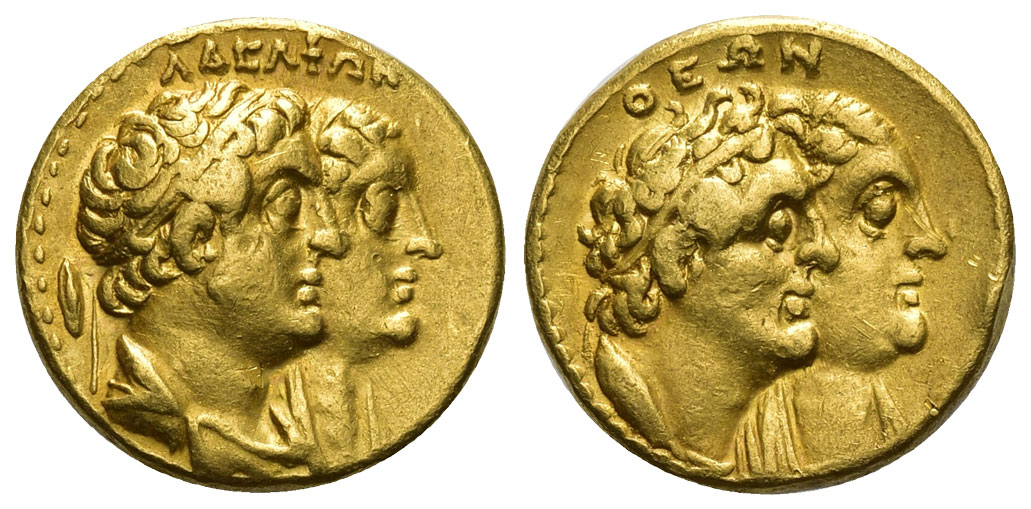
AV Tetradrachm (282–272 BC),
King Ptolemy II and Queen Arsinoe II.
From the major collection of Alexandria mint.
Condition: vf+
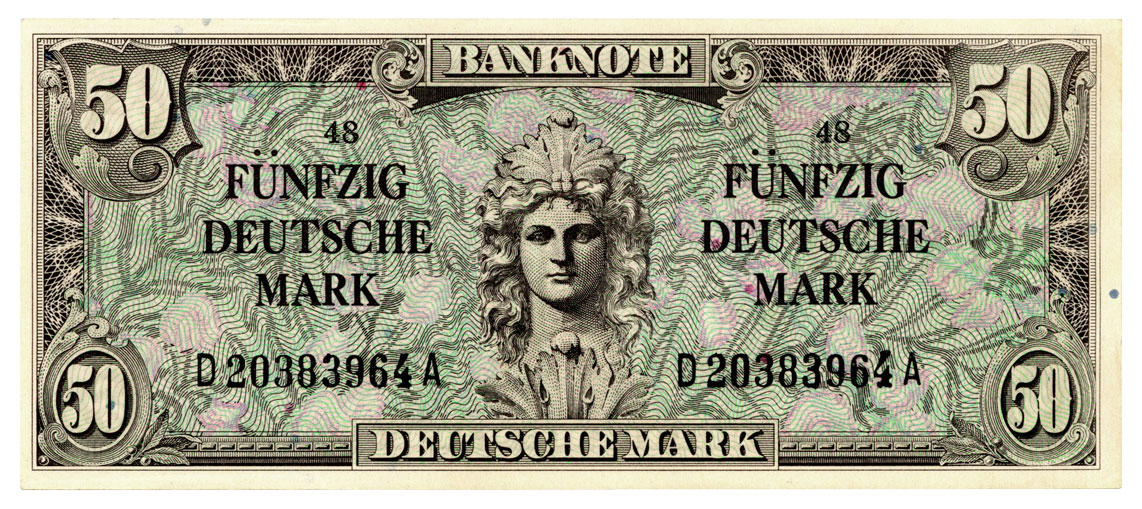
50 Deutsche Mark o.D. ( 1948-1949) "Liberty".
Condition: extremly rare, I
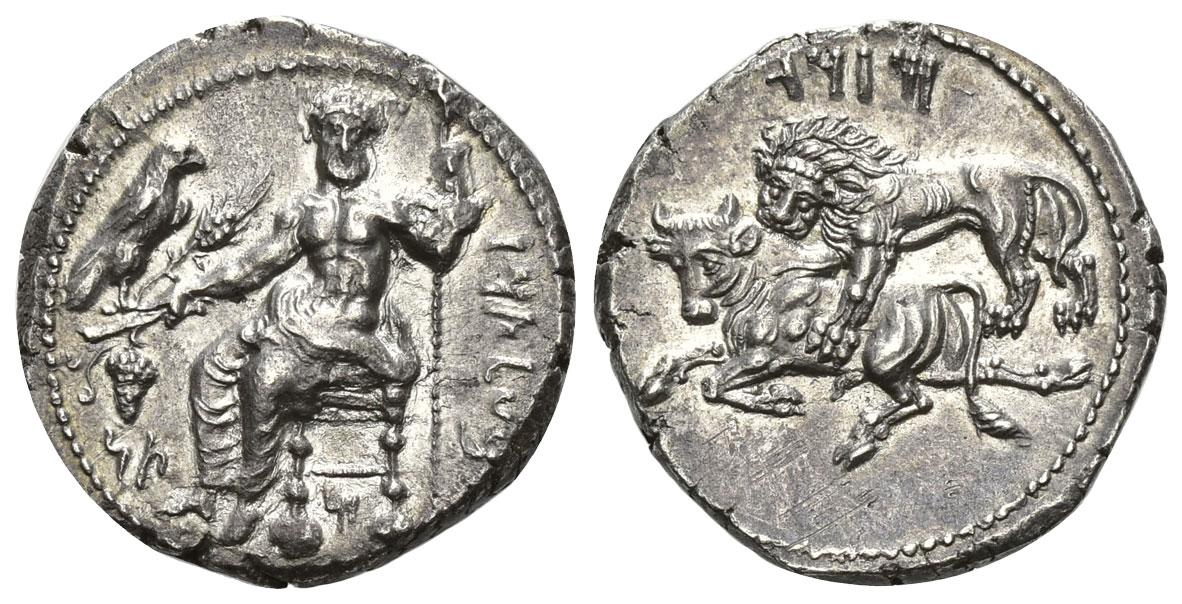
AR Stater (361-334 BC).
Obv. Baal of Tarsos.
Conditon: ef
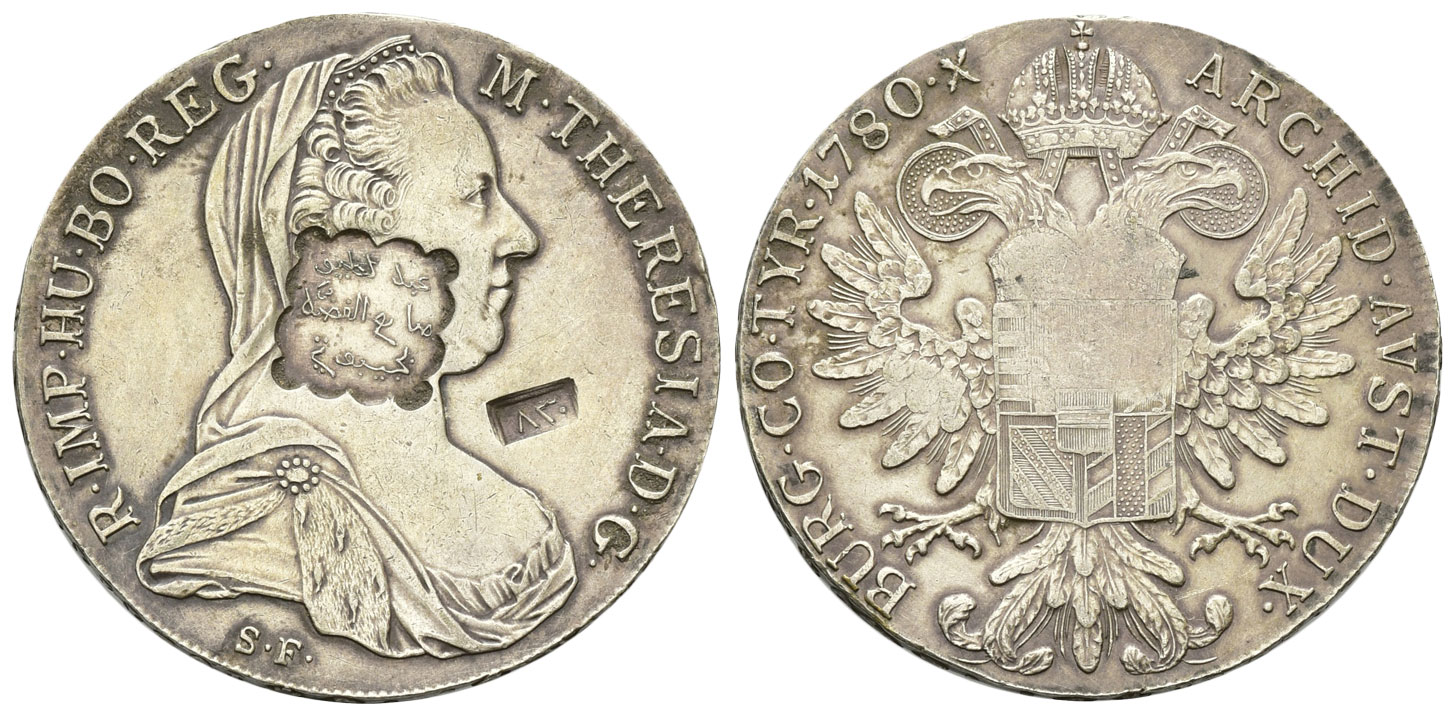
Taler 1780 SF
with counter stamp Djibouti (1870-1900).
Condition: vf
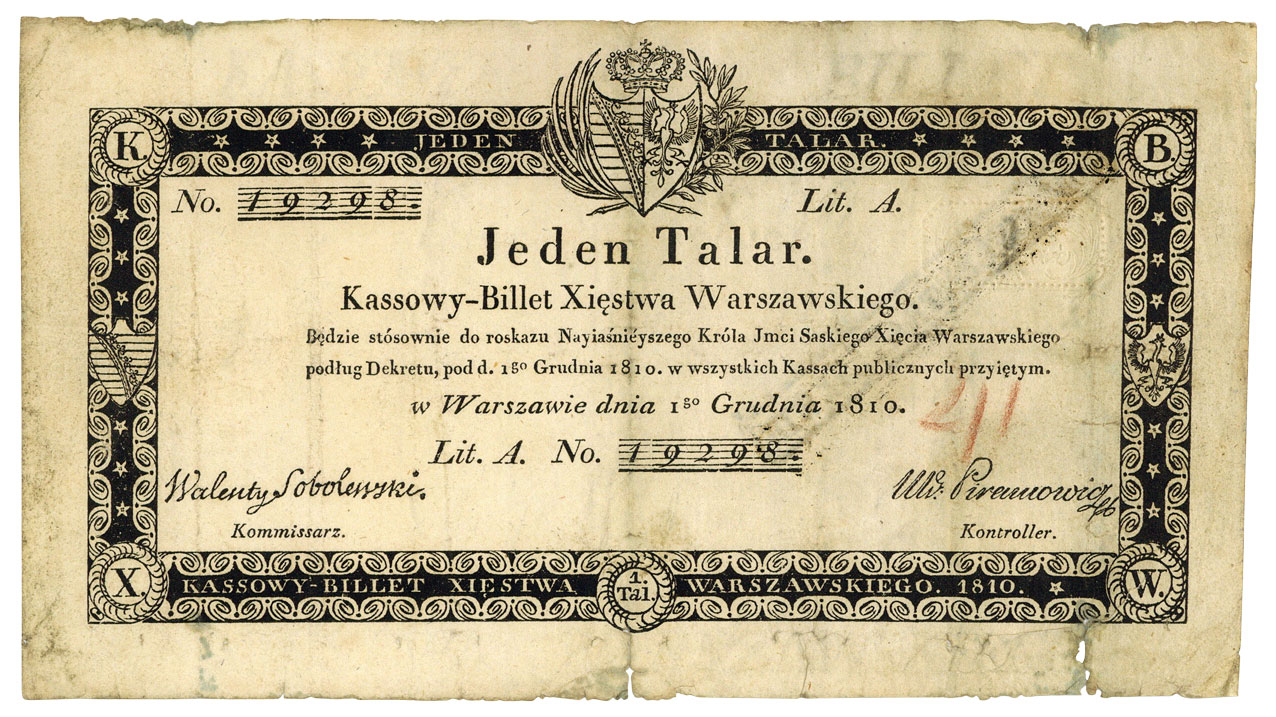
1 Talar 1. December 1810.
Condition: III-IV
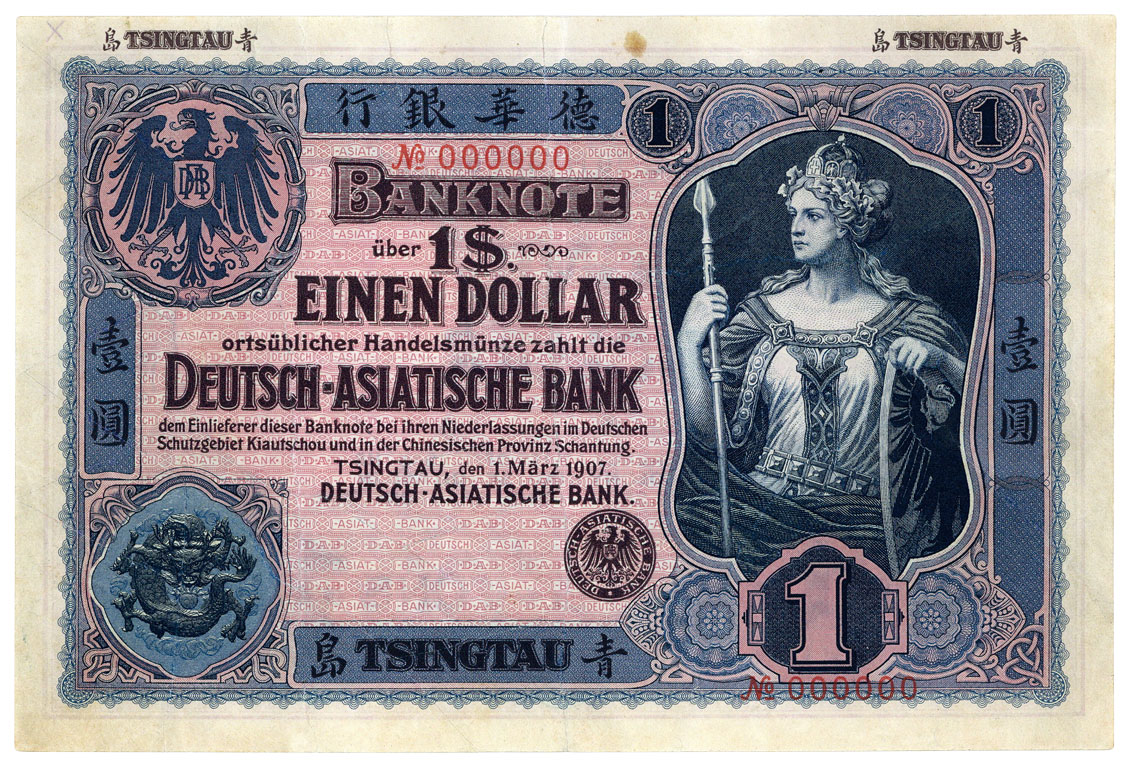
1 Dollar 1.3.1907, Tsingtao.
Condition: very rare, restored
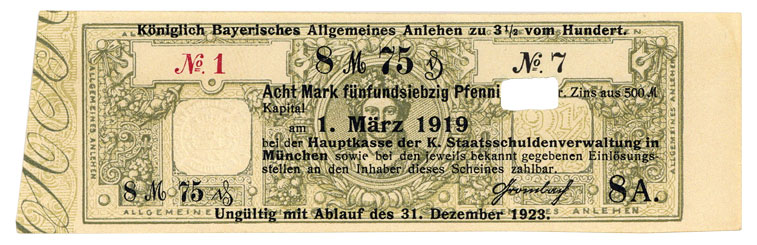
Royal Bavarian General Loan.
8.75 Marks, March 1, 1919.
Condition: rare, I
Archive: People and Markets
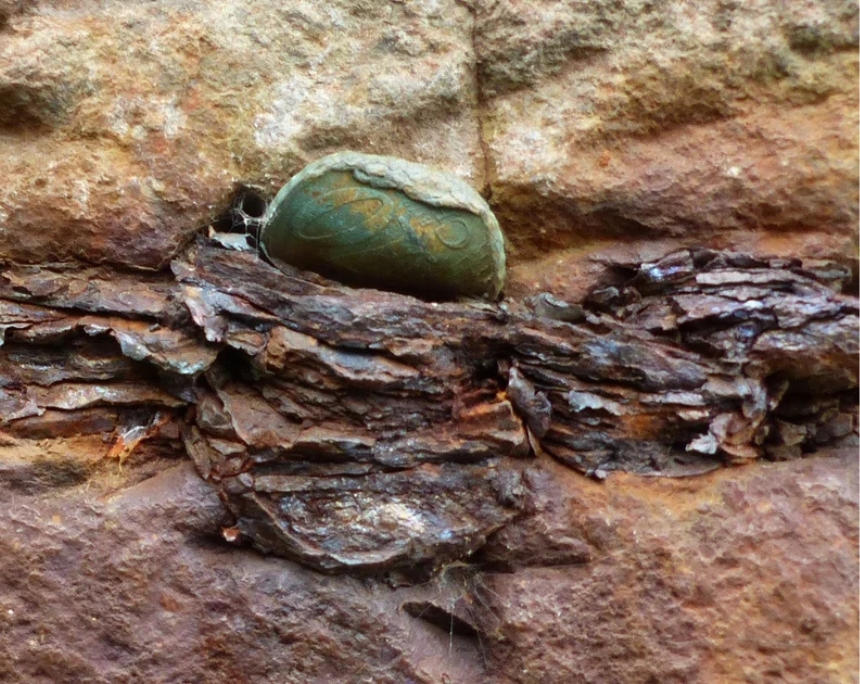
Giant’s Causeway: A Natural Wonder at Risk – Because of Coins?
One of Britain’s most iconic natural landmarks is under threat – because tourists are decorating the famous basalt columns of the Giant’s Causeway with coins. What may seem like a well-meaning gesture is now causing increasing damage to the geologically unique rock formation.
Save 50% on Volumes 1–50 of “Collection Moneta”
For 30 years now, numismatic articles have been published in the series “Collection Moneta”, edited by Georges Depeyrot. The series now comprises a full 210 volumes. The first 50 of these can now be purchased at half price until the end of January; after that, they will no longer be available for purchase.
Archive: Coins, Medals and more
 https://new.coinsweekly.com/wp-content/uploads/2023/06/00_shutterstock_774584251.jpg
667
1000
Bruno
https://new.coinsweekly.com/wp-content/uploads/2023/01/logo-coinsweekly_590x204.png
Bruno2022-06-13 13:25:492023-06-27 11:27:36Cleaning, Patina, Verdigris etc.: Which Errors Affect the Price of a Coin? – Part 2
https://new.coinsweekly.com/wp-content/uploads/2023/06/00_shutterstock_774584251.jpg
667
1000
Bruno
https://new.coinsweekly.com/wp-content/uploads/2023/01/logo-coinsweekly_590x204.png
Bruno2022-06-13 13:25:492023-06-27 11:27:36Cleaning, Patina, Verdigris etc.: Which Errors Affect the Price of a Coin? – Part 2 https://new.coinsweekly.com/wp-content/uploads/2023/06/CoCo05_15.jpg
534
1000
Ursula Kampmann
https://new.coinsweekly.com/wp-content/uploads/2023/01/logo-coinsweekly_590x204.png
Ursula Kampmann2022-06-13 09:54:432023-06-27 10:33:10The French Marianne I: Marianne as a Representative of the French People – Part 2
https://new.coinsweekly.com/wp-content/uploads/2023/06/CoCo05_15.jpg
534
1000
Ursula Kampmann
https://new.coinsweekly.com/wp-content/uploads/2023/01/logo-coinsweekly_590x204.png
Ursula Kampmann2022-06-13 09:54:432023-06-27 10:33:10The French Marianne I: Marianne as a Representative of the French People – Part 2
Questions and Answers for Coin Collectors Regarding the Death of Pope Francis
Following five different coin series since 2002, the Vatican is set to issue new euro coins this year. When the change to a new pope on the coins will take place, and how the Sede Vacante will be commemorated numismatically, remains unclear – as does the timing for the return of the Vatican’s coin issuing office for collectors.
Stockholm: Lawsuit against Royal Coin Cabinet thief
In April we had to report that at least 1,200 objects worth the equivalent of 2.6 million euros had disappeared from the Stockholm Royal Coin Cabinet. A perpetrator is now standing trial. A second one is the subject of ongoing investigations.