






Archive: People and Markets
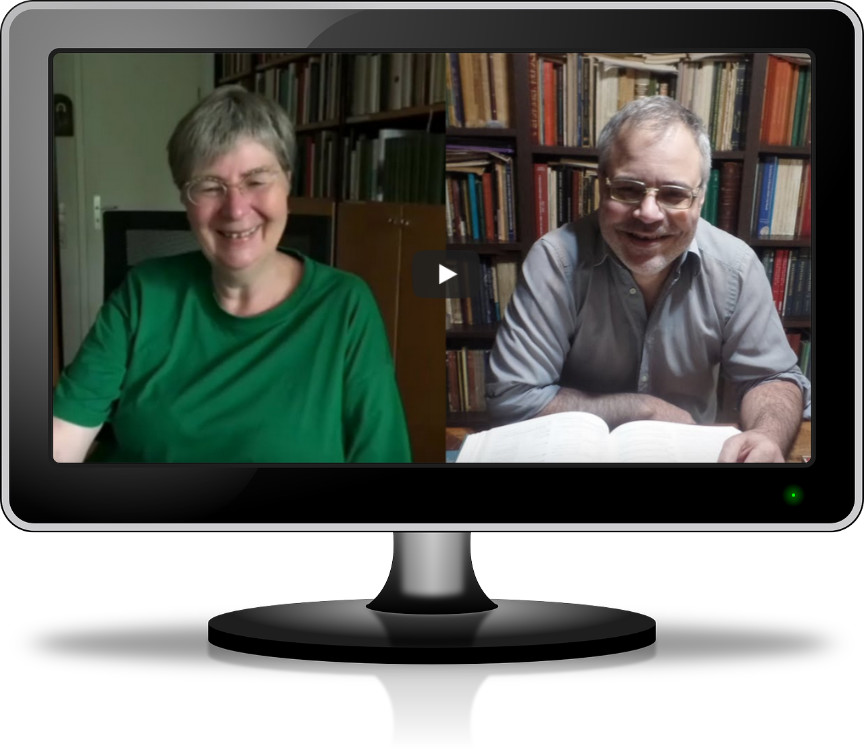
The Fight for Collector’s Rights: An Interview With Ursula Kampmann
For his passionately run “Numischannel” on YouTube, Argentine numismatist Damian Salgado conducted an interview with Ursula Kampmann. Among other things, they talked about private collecting, the rights of collectors and the fight against unfair legislation worldwide. Take a look!
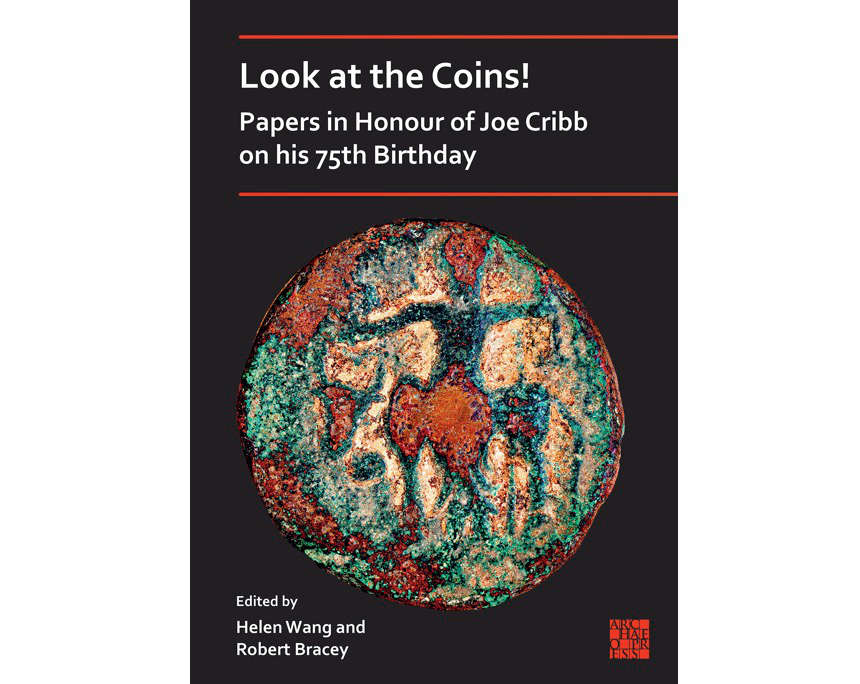
Look at the Coins! Papers in Honour of Joe Cribb on his 75th Birthday
Joe Cribb is a well-known specialist in the monetary history of Asia. On the occasion of his 75th birthday, this volume has been prepared by friends and colleagues in appreciation of his contribution to the field, and especially for his support and guidance.
Archive: Coins, Medals and more
 https://new.coinsweekly.com/wp-content/uploads/2025/02/2025KW09HA02_00.jpg
684
860
Lucie Loechel
https://new.coinsweekly.com/wp-content/uploads/2023/01/logo-coinsweekly_590x204.png
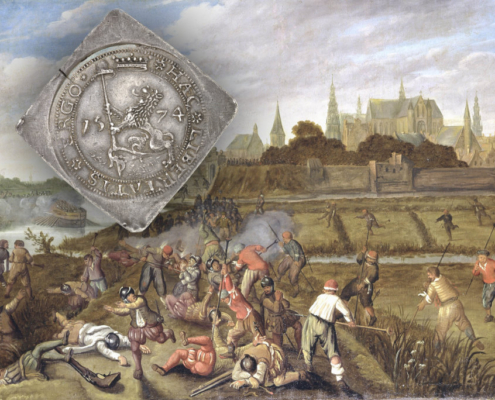
Lucie Loechel2025-02-27 10:19:482025-02-27 10:25:36The Suffering of Leiden – A Siege During the Dutch Revolt
https://new.coinsweekly.com/wp-content/uploads/2025/02/2025KW09HA02_00.jpg
684
860
Lucie Loechel
https://new.coinsweekly.com/wp-content/uploads/2023/01/logo-coinsweekly_590x204.png
Lucie Loechel2025-02-27 10:19:482025-02-27 10:25:36The Suffering of Leiden – A Siege During the Dutch Revolt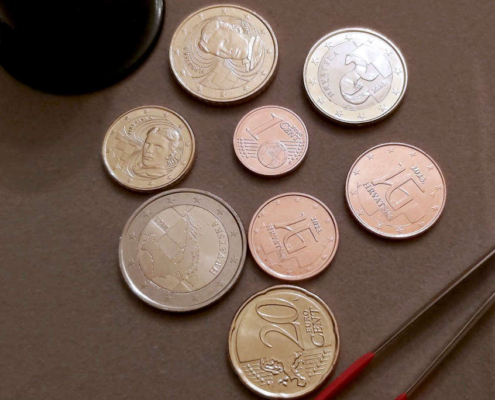 https://new.coinsweekly.com/wp-content/uploads/2023/11/2023KW46HA_00.jpg
684
860
Ursula Kampmann
https://new.coinsweekly.com/wp-content/uploads/2023/01/logo-coinsweekly_590x204.png
Ursula Kampmann2023-11-16 09:14:582023-11-16 09:23:58The First Error Coins from Croatia
https://new.coinsweekly.com/wp-content/uploads/2023/11/2023KW46HA_00.jpg
684
860
Ursula Kampmann
https://new.coinsweekly.com/wp-content/uploads/2023/01/logo-coinsweekly_590x204.png
Ursula Kampmann2023-11-16 09:14:582023-11-16 09:23:58The First Error Coins from Croatia
National Museum of Denmark Acquires Seven Coins of the Bruun Collection
The National Museum of Denmark used its right of first refusal to buy extremely rare coins from Lars Emil Bruun’s collection before they are to be sold at auction. Here you can see the seven extraordinary pieces!
Following Last Year’s Success: Münze Deutschland Again Sells Show Rarity at the World Money Fair
The World Money Fair is a haven for collectors hunting for limited-edition rarities. In 2024, a German coin card featuring the €2 coin “Mecklenburg-Vorpommern / Königsstuhl” caught everyone’s eye—and its market value skyrocketed to over €200. Münze Deutschland is now building on this success.