






Archive: People and Markets
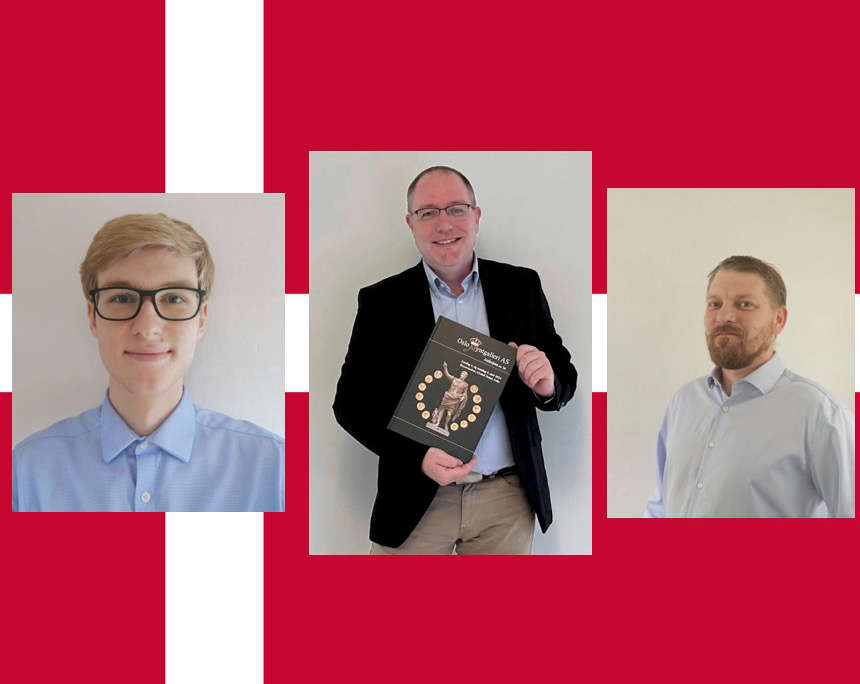
Oslo Myntgalleri Opening Sister Company in Denmark
The auction house Oslo Myntgalleri will open a sister company in Denmark with Michael Märcher as CEO. He and his team will run a traditional coin shop in Aarhus as well as a large online shop.
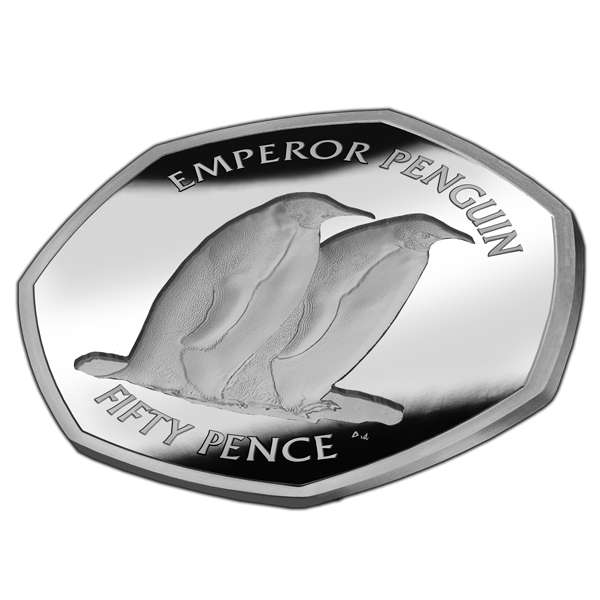
Pobjoy Mints the World’s First Inverted 50 Pence Coin
Pobjoy Mint celebrates World Penguin Day with the world’s first inverted 50 pence coin. It features two emperor penguins.
Archive: Coins, Medals and more
 https://new.coinsweekly.com/wp-content/uploads/2024/04/2024KW16HA_00.jpg
684
860
Ursula Kampmann
https://new.coinsweekly.com/wp-content/uploads/2023/01/logo-coinsweekly_590x204.png
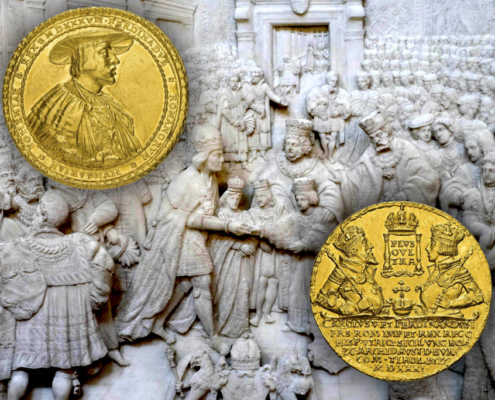
Ursula Kampmann2024-04-18 10:26:522024-04-18 10:26:52The Turks, the Bohemian Estates and Two Gnadenpfennigs by Ferdinand I
https://new.coinsweekly.com/wp-content/uploads/2024/04/2024KW16HA_00.jpg
684
860
Ursula Kampmann
https://new.coinsweekly.com/wp-content/uploads/2023/01/logo-coinsweekly_590x204.png
Ursula Kampmann2024-04-18 10:26:522024-04-18 10:26:52The Turks, the Bohemian Estates and Two Gnadenpfennigs by Ferdinand I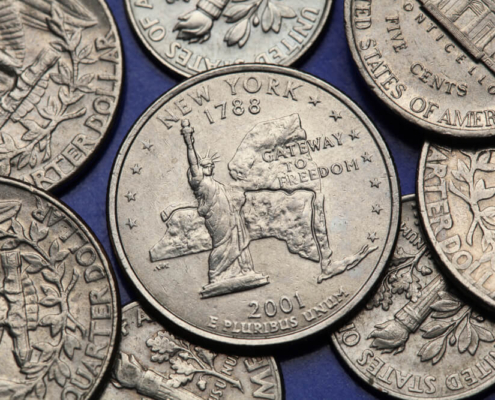 https://new.coinsweekly.com/wp-content/uploads/2023/06/00_shutterstock_235125199.jpg
667
1000
Bruno
https://new.coinsweekly.com/wp-content/uploads/2023/01/logo-coinsweekly_590x204.png
Bruno2022-06-13 12:25:292023-07-03 12:43:47Fascinating Change: The 50 State Quarters of the USA – a Milestone
https://new.coinsweekly.com/wp-content/uploads/2023/06/00_shutterstock_235125199.jpg
667
1000
Bruno
https://new.coinsweekly.com/wp-content/uploads/2023/01/logo-coinsweekly_590x204.png
Bruno2022-06-13 12:25:292023-07-03 12:43:47Fascinating Change: The 50 State Quarters of the USA – a Milestone
A New Era for the Caribbean: The Caribbean Guilder is Coming
In March 2025, a new currency will be introduced – the Caribbean Guilder. Collectors can look forward to intricately designed coins and banknotes that highlight the cultural and maritime identity of the islands of Curaçao and Sint Maarten.
Striking Designs – Exhibition at the Dumbarton Oaks
A new special exhibition is on view at the Dumbarton Oaks Museum in Washington D.C. „Striking Designs: Communicating Through Coins” explores what the images on coins can tell us about the late Roman and Byzantine empire.