







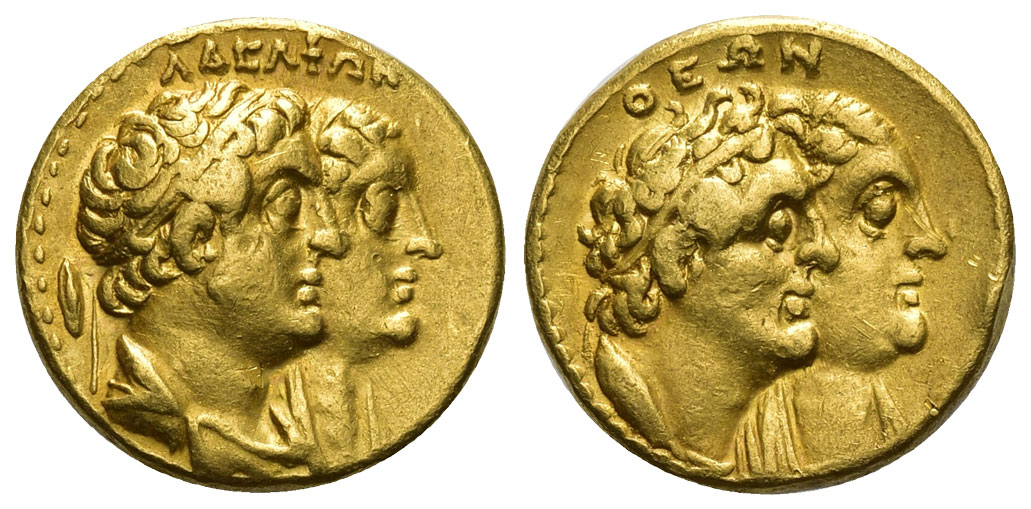
AV Tetradrachm (282–272 BC),
King Ptolemy II and Queen Arsinoe II.
From the major collection of Alexandria mint.
Condition: vf+
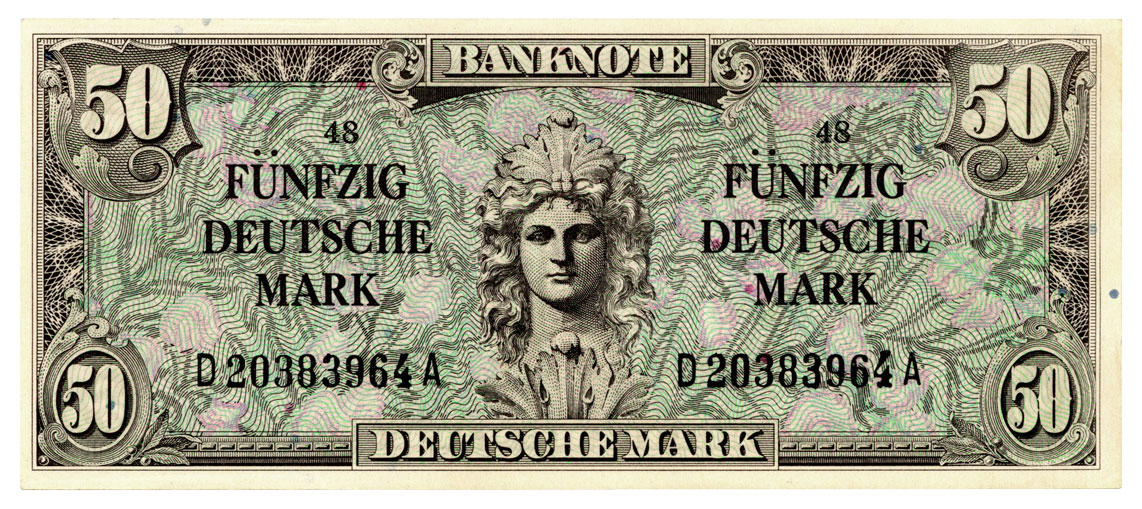
50 Deutsche Mark o.D. ( 1948-1949) "Liberty".
Condition: extremly rare, I
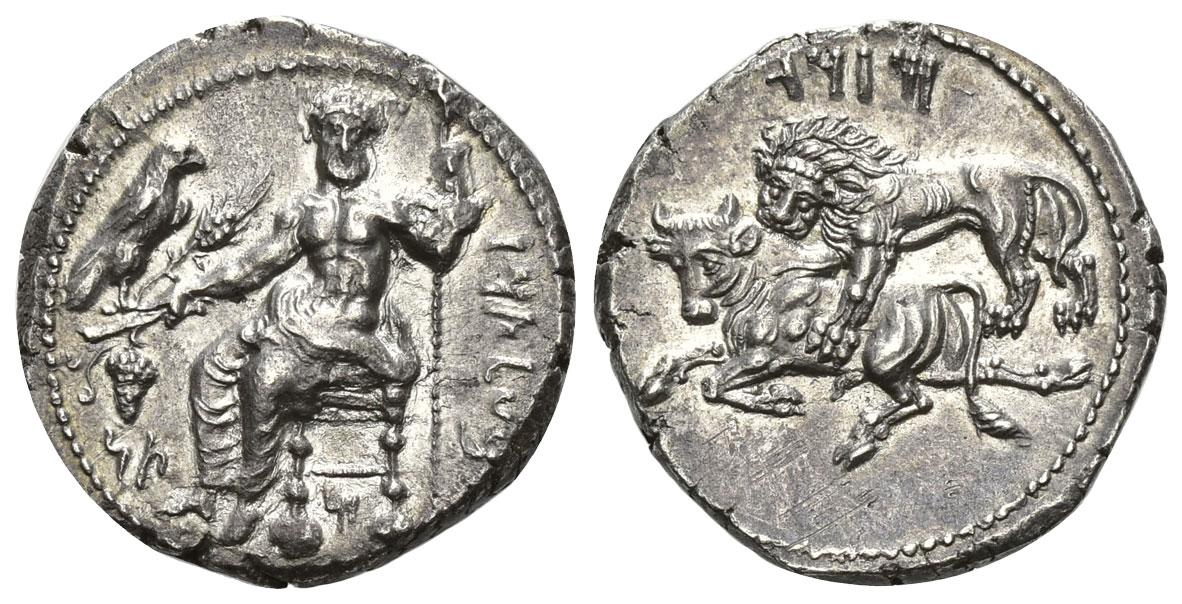
AR Stater (361-334 BC).
Obv. Baal of Tarsos.
Conditon: ef
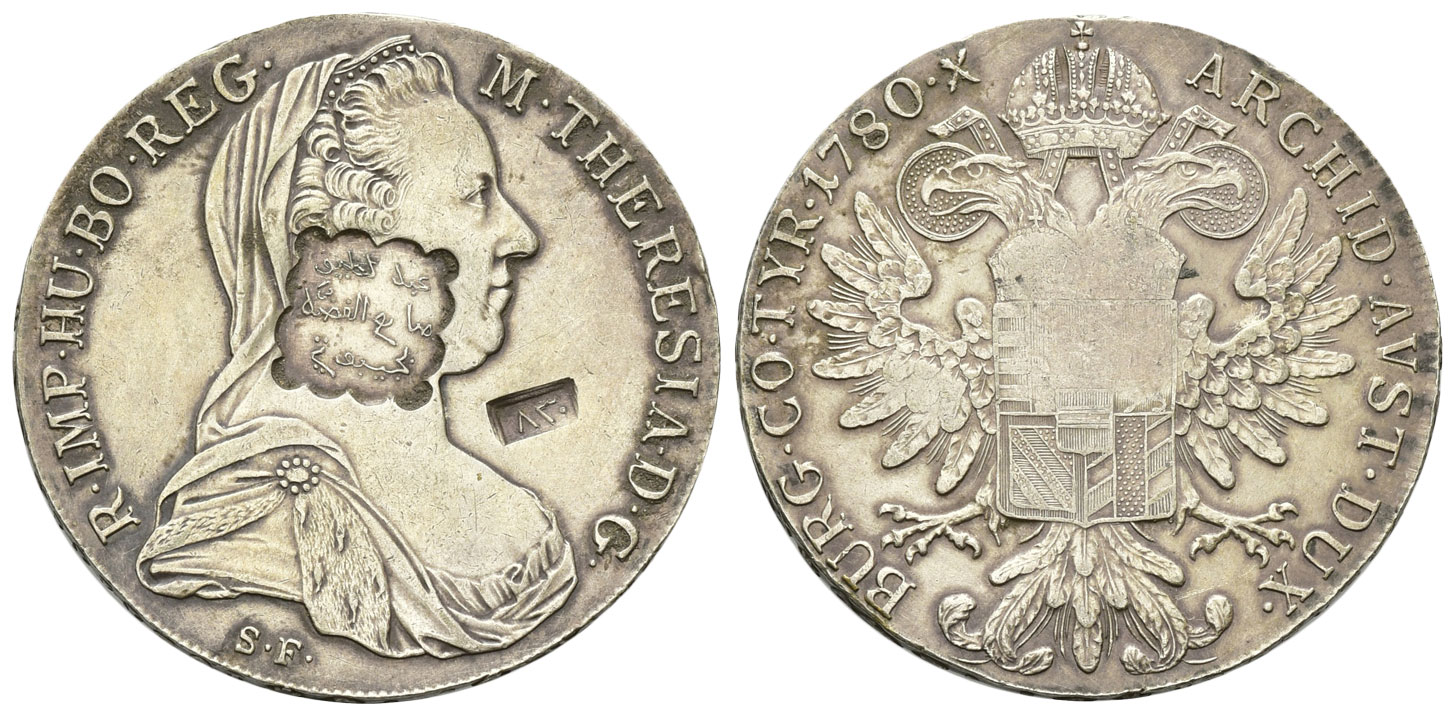
Taler 1780 SF
with counter stamp Djibouti (1870-1900).
Condition: vf
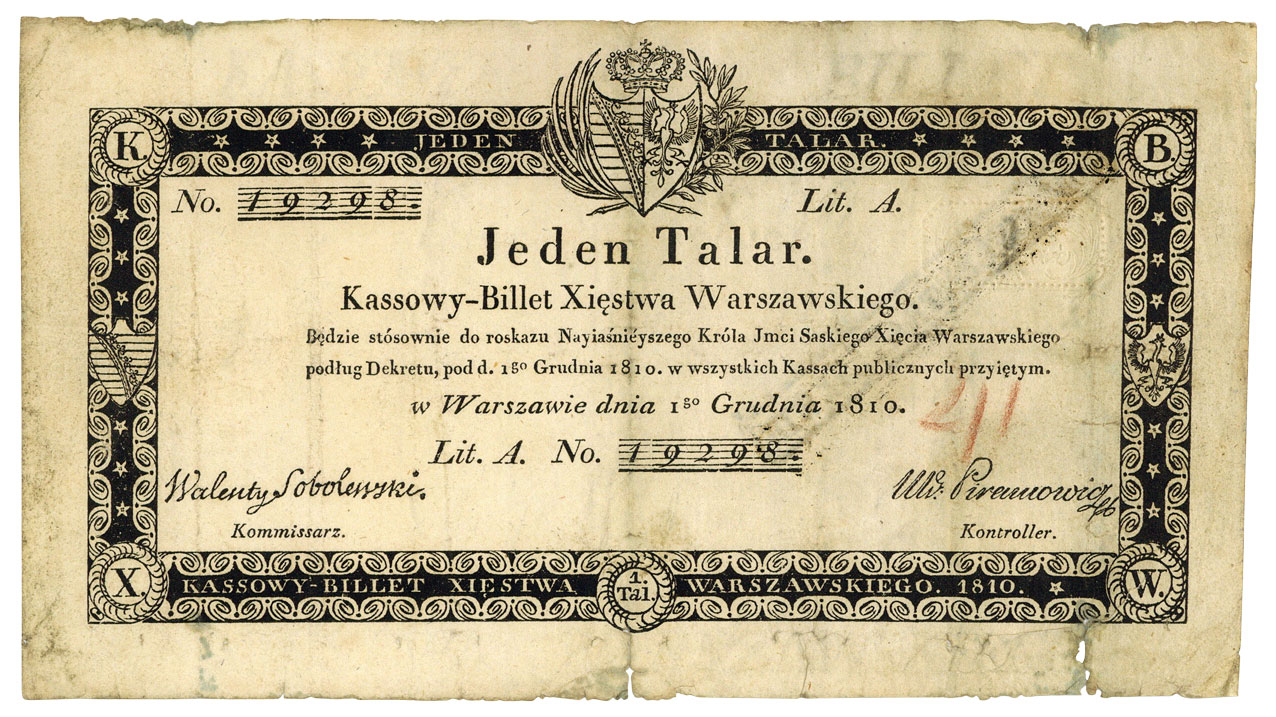
1 Talar 1. December 1810.
Condition: III-IV
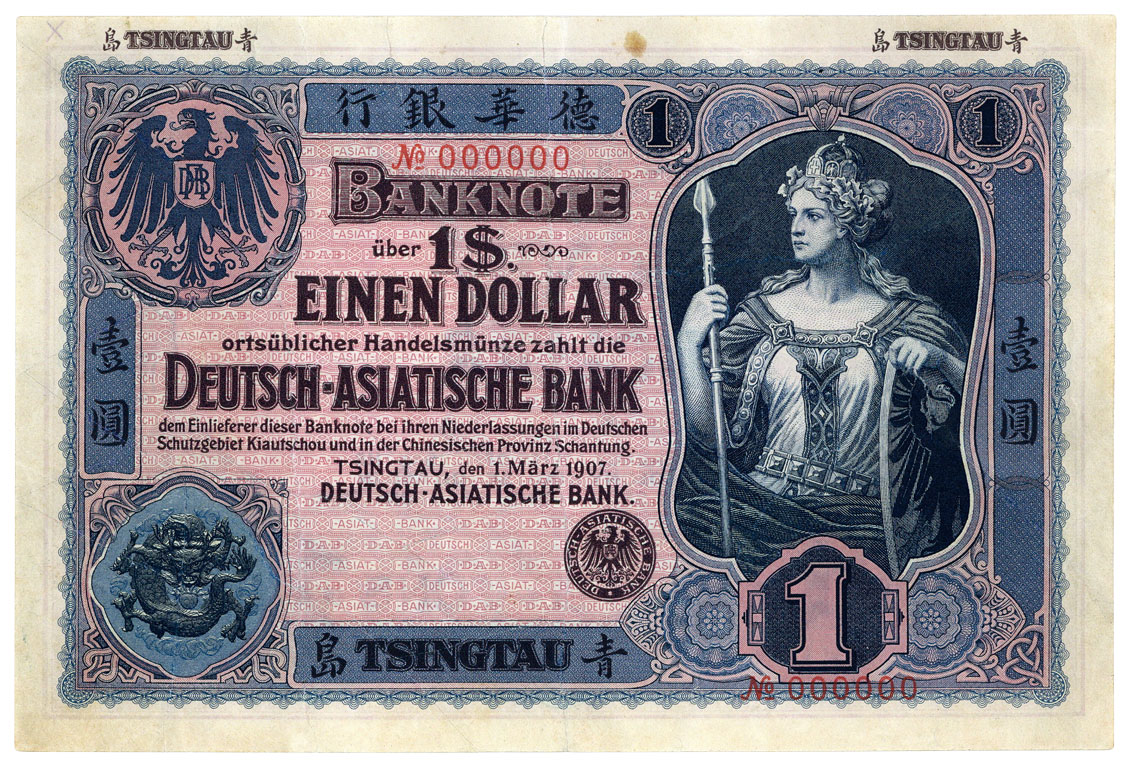
1 Dollar 1.3.1907, Tsingtao.
Condition: very rare, restored
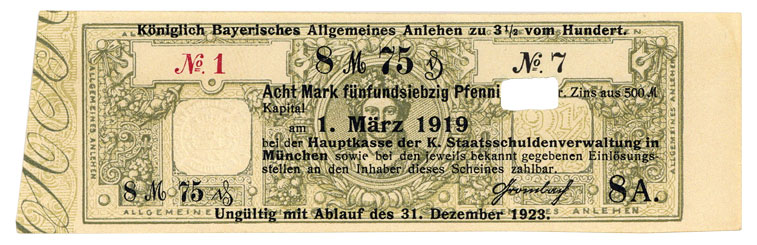
Royal Bavarian General Loan.
8.75 Marks, March 1, 1919.
Condition: rare, I
Archive: People and Markets
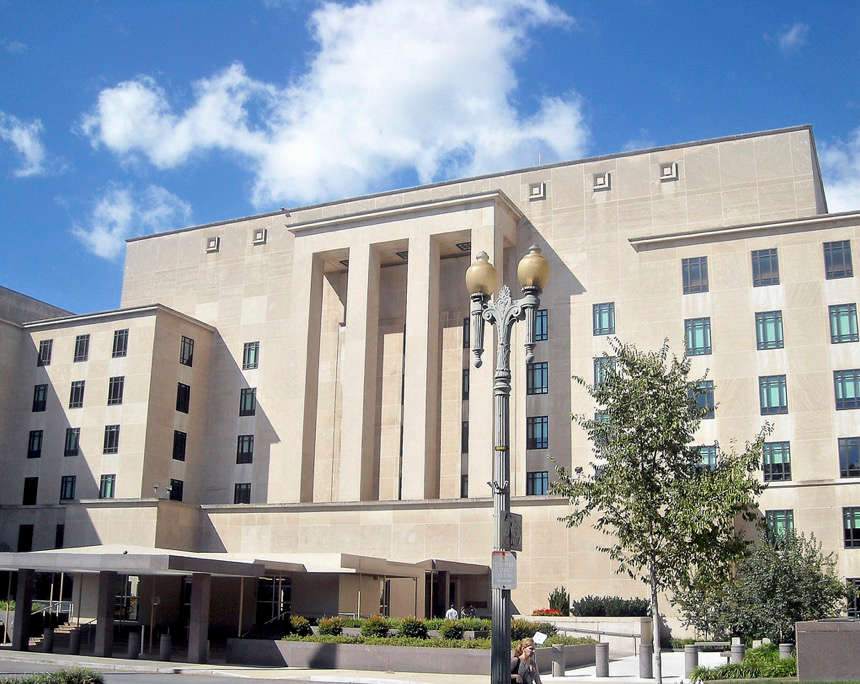
Your Tax Dollars at Work
Is the State Department funding a crusade against private ownership of cultural goods in the U.S.? Peter Tompa explains how taxpayer money was used to justify cultural property Memorandums of Understanding (MOUs) or “emergency import restrictions.”
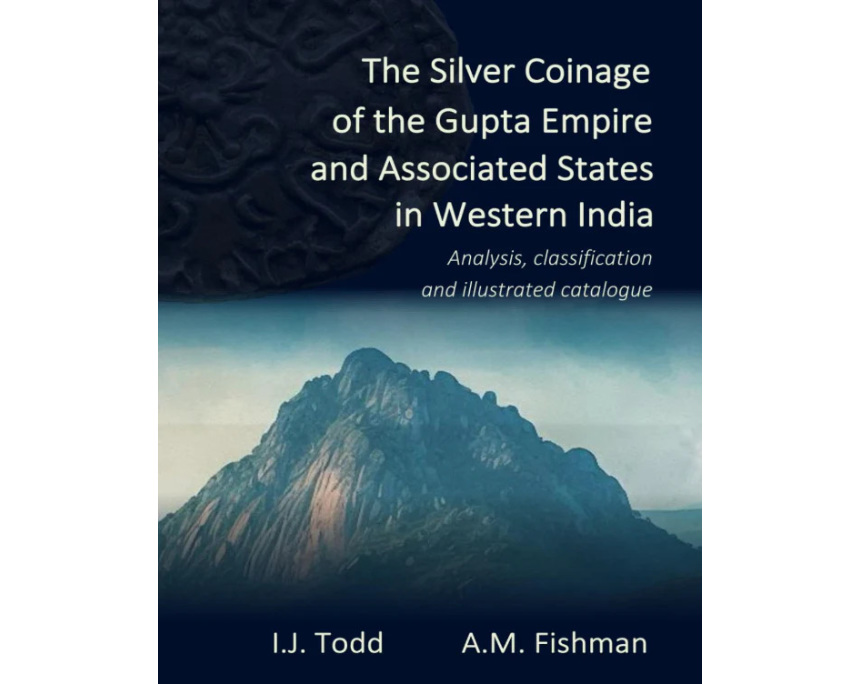
The Silver Coinage of the Gupta Empire and Associated States in Western India: Analysis, Classification and Illustrated Catalogue
Authors Ian J. Todd and A.M. Fishman have published a new book on the silver coinage of the Gupta Empire and associated states in western India. Read their announcement here.
Archive: Coins, Medals and more
 https://new.coinsweekly.com/wp-content/uploads/2023/05/00HASinconaProbe1820.jpg
684
860
Ursula Kampmann
https://new.coinsweekly.com/wp-content/uploads/2023/01/logo-coinsweekly_590x204.png
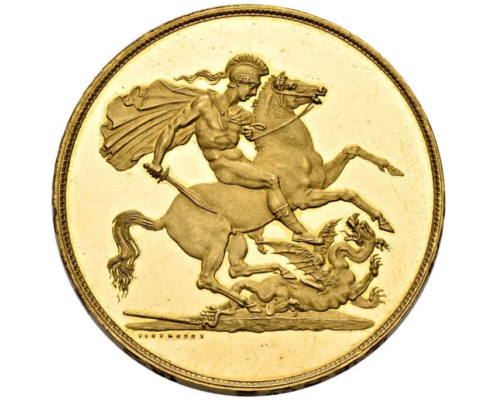
Ursula Kampmann2023-05-11 09:04:372023-05-12 13:41:02As the King Lay Dying… – The Most Spectacular British Gold Coin of the Modern Era
https://new.coinsweekly.com/wp-content/uploads/2023/05/00HASinconaProbe1820.jpg
684
860
Ursula Kampmann
https://new.coinsweekly.com/wp-content/uploads/2023/01/logo-coinsweekly_590x204.png
Ursula Kampmann2023-05-11 09:04:372023-05-12 13:41:02As the King Lay Dying… – The Most Spectacular British Gold Coin of the Modern Era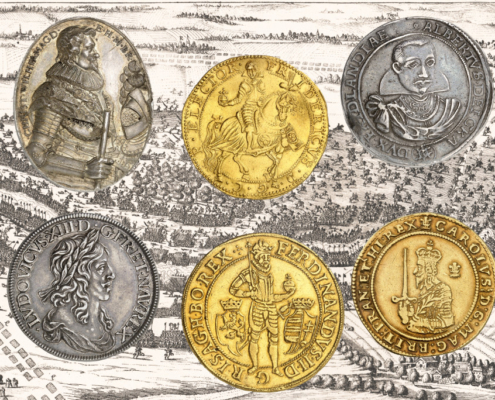 https://new.coinsweekly.com/wp-content/uploads/2024/09/2024KW37HA_00.jpg
684
860
Ursula Kampmann
https://new.coinsweekly.com/wp-content/uploads/2023/01/logo-coinsweekly_590x204.png
Ursula Kampmann2024-09-12 10:23:452024-09-12 10:23:45The Protagonists of the Thirty Years’ War: A Slightly Different Preview of Künker’s Auction 410
https://new.coinsweekly.com/wp-content/uploads/2024/09/2024KW37HA_00.jpg
684
860
Ursula Kampmann
https://new.coinsweekly.com/wp-content/uploads/2023/01/logo-coinsweekly_590x204.png
Ursula Kampmann2024-09-12 10:23:452024-09-12 10:23:45The Protagonists of the Thirty Years’ War: A Slightly Different Preview of Künker’s Auction 410
NUMISMATA Under New Management
The NUMISMATA is under new management, as announced on the coin show’s website. Former staff members will take over the organization under the name EMZ Messeveranstaltungs UG. The NUMISMATA in Berlin will also take place again in 2025.
Stack’s Bowers Galleries Professional Numismatist Program
If you have ever considered making your hobby your profession and aren’t older than 25 years, the Stack’s Bowers Professional Numismatist Program offers an opportunity to acquire the skills necessary to be successful in this field.