







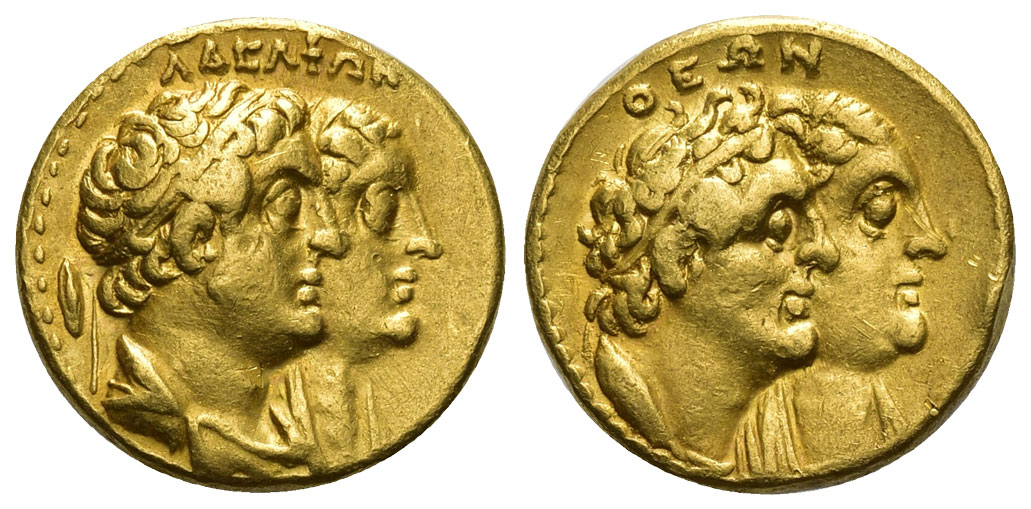
AV Tetradrachm (282–272 BC),
King Ptolemy II and Queen Arsinoe II.
From the major collection of Alexandria mint.
Condition: vf+
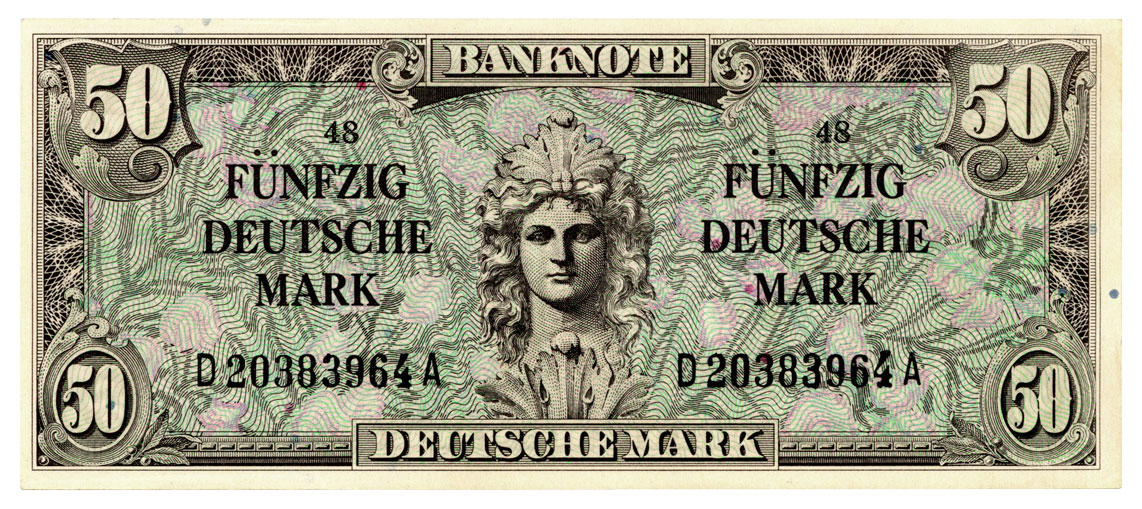
50 Deutsche Mark o.D. ( 1948-1949) "Liberty".
Condition: extremly rare, I
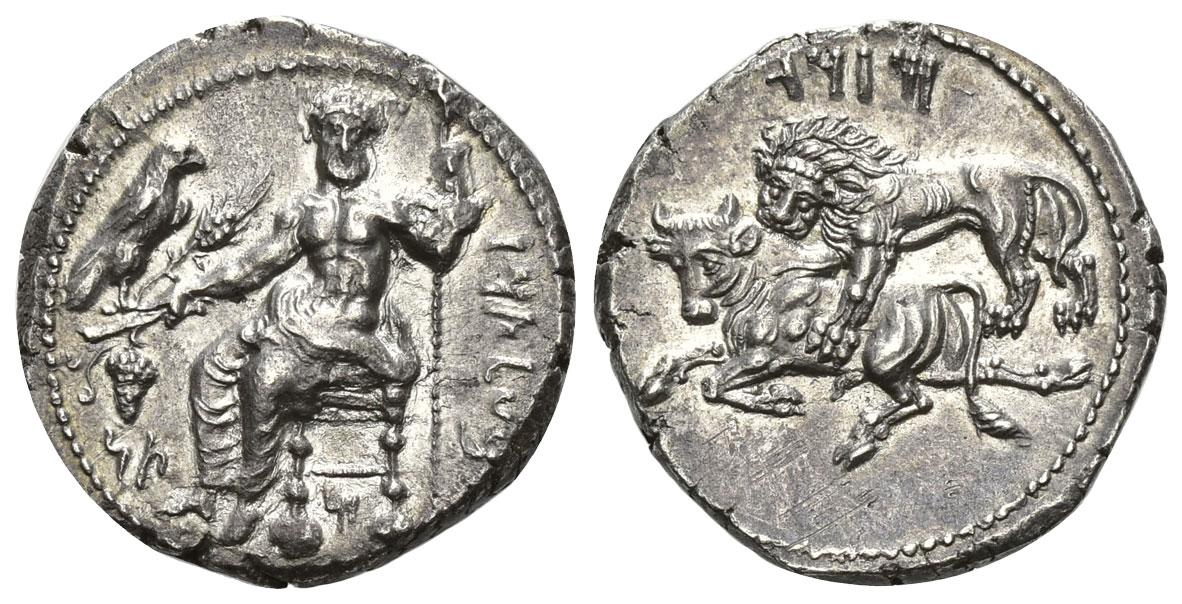
AR Stater (361-334 BC).
Obv. Baal of Tarsos.
Conditon: ef
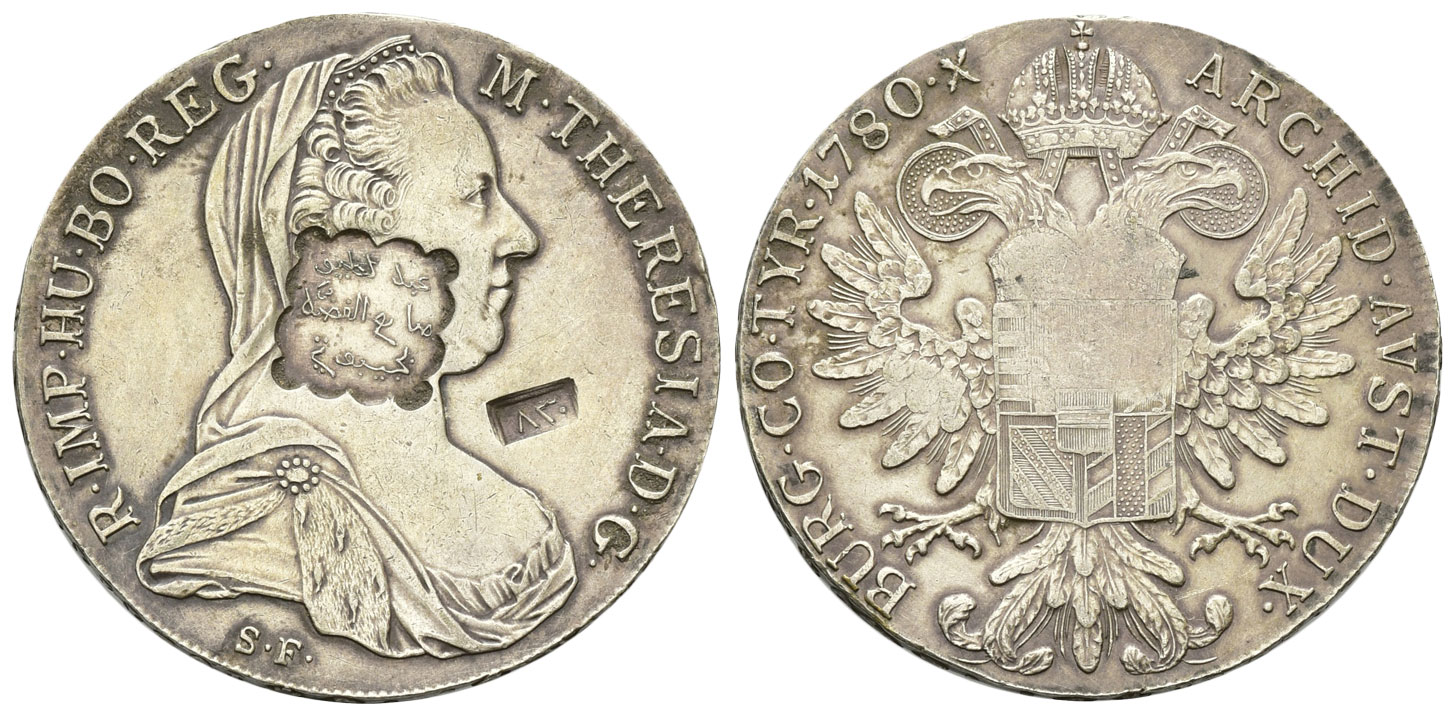
Taler 1780 SF
with counter stamp Djibouti (1870-1900).
Condition: vf
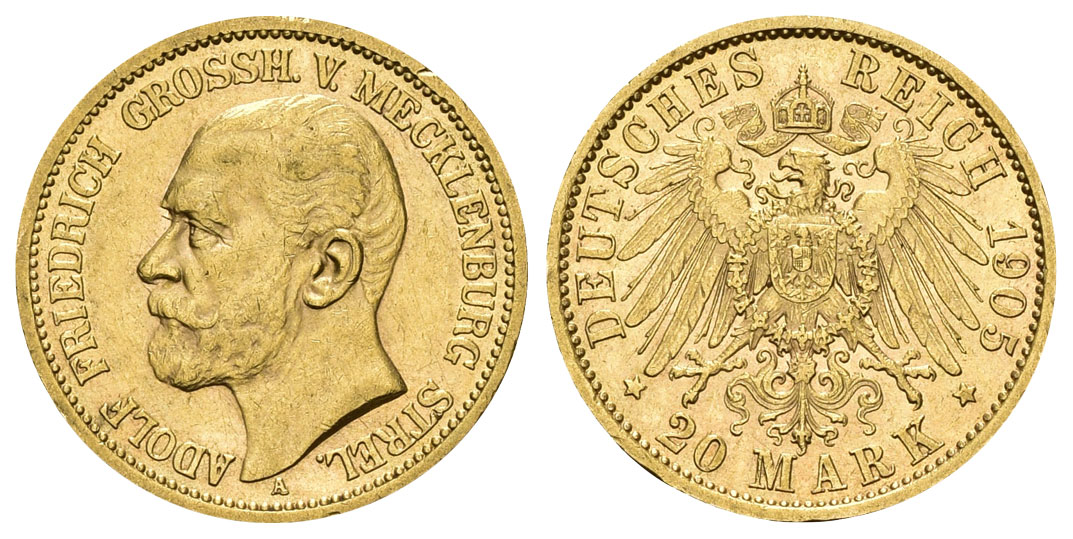
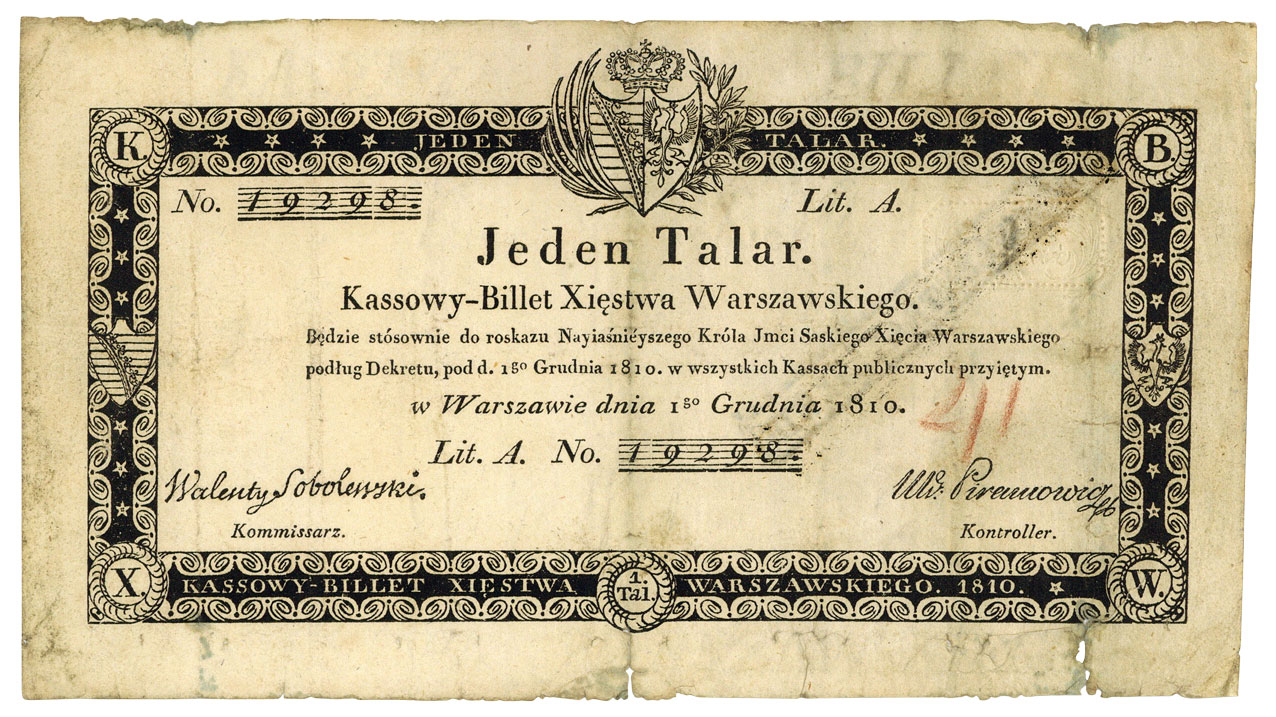
1 Talar 1. December 1810.
Condition: III-IV
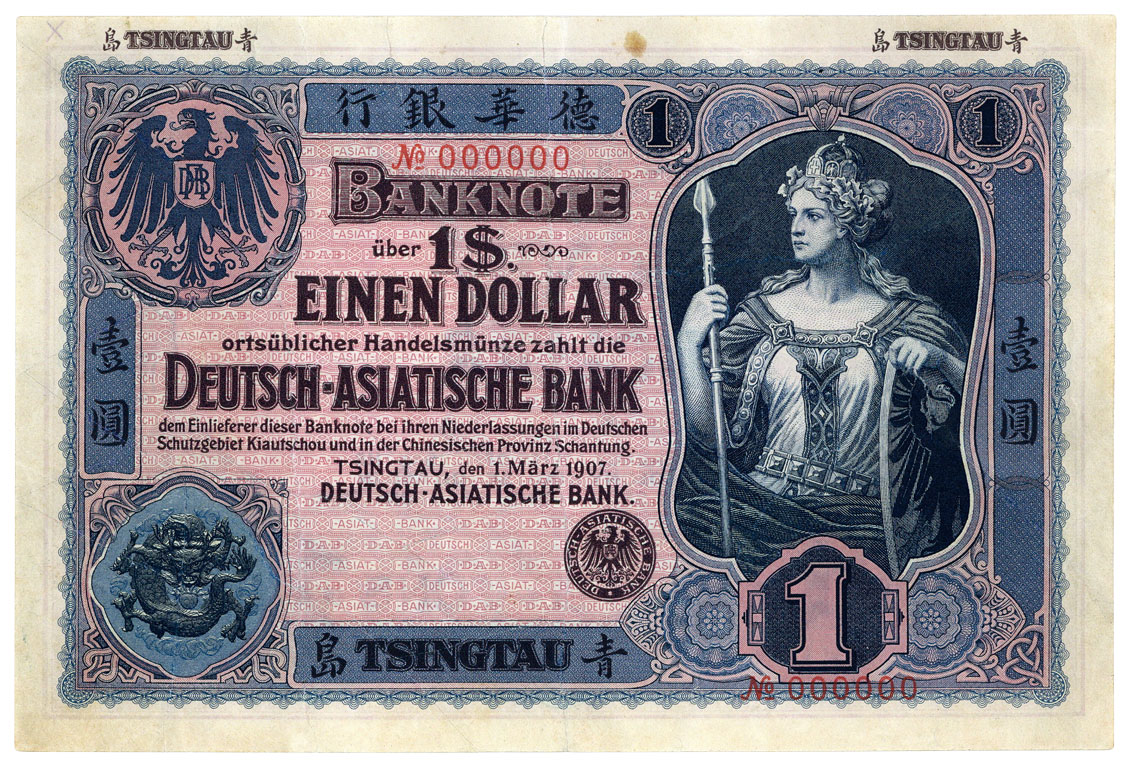
1 Dollar 1.3.1907, Tsingtao.
Condition: very rare, restored
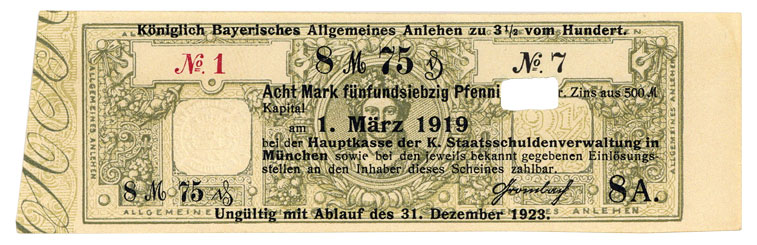
Royal Bavarian General Loan.
8.75 Marks, March 1, 1919.
Condition: rare, I
Archive: People and Markets
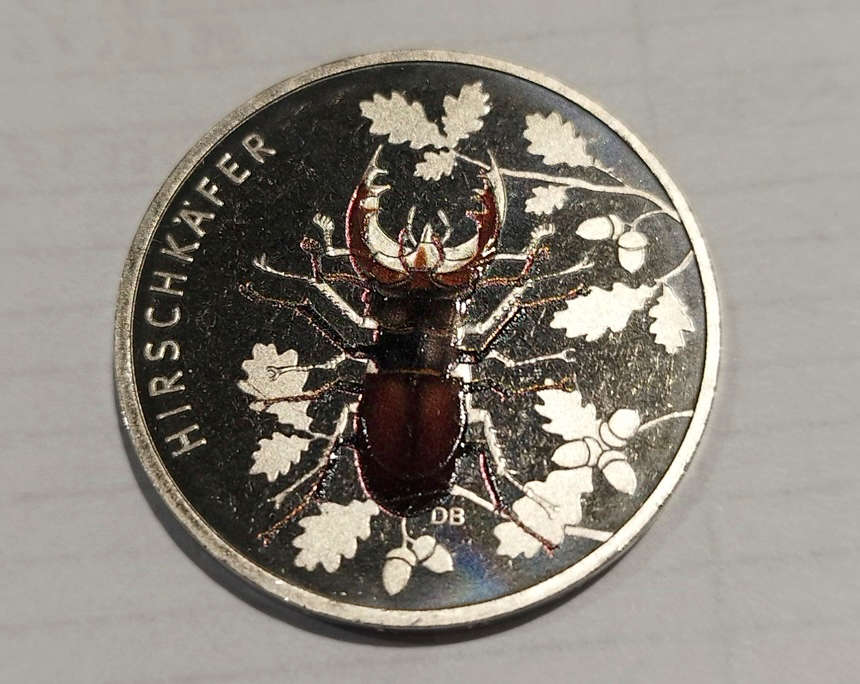
The Fascinating World of Insects and Minting Errors: The Misaligned Stag Beetle
A year ago, the paint on coins from the “Fascinating World of Insects” series began to flake off. Now, new anomalies have surfaced—ones that experts find only partially explainable.

Congress in Frankfurt: International Experts Discuss Gold and Silver Trends
From 23 to 25 March 2025, Frankfurt will host the inaugural ZukunftsForum Edelmetalle. This new congress brings together renowned precious metals experts to discuss current market trends, as well as economic and geopolitical developments in the gold, silver, and platinum sectors.
Archive: Coins, Medals and more
 https://new.coinsweekly.com/wp-content/uploads/2023/06/00_shutterstock_774584251.jpg
667
1000
Bruno
https://new.coinsweekly.com/wp-content/uploads/2023/01/logo-coinsweekly_590x204.png
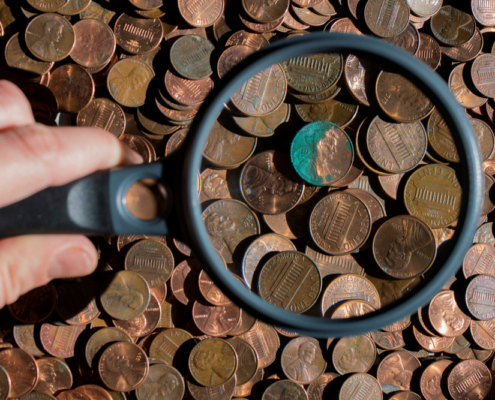
Bruno2022-06-13 13:25:492023-06-27 11:27:36Cleaning, Patina, Verdigris etc.: Which Errors Affect the Price of a Coin? – Part 2
https://new.coinsweekly.com/wp-content/uploads/2023/06/00_shutterstock_774584251.jpg
667
1000
Bruno
https://new.coinsweekly.com/wp-content/uploads/2023/01/logo-coinsweekly_590x204.png
Bruno2022-06-13 13:25:492023-06-27 11:27:36Cleaning, Patina, Verdigris etc.: Which Errors Affect the Price of a Coin? – Part 2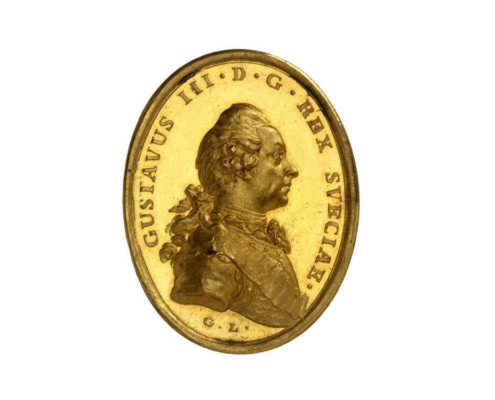 https://new.coinsweekly.com/wp-content/uploads/2023/05/2023KW20HA00.jpg
750
1000
Ursula Kampmann
https://new.coinsweekly.com/wp-content/uploads/2023/01/logo-coinsweekly_590x204.png
Ursula Kampmann2023-05-17 10:00:472023-06-27 11:25:44Gustav III: A Conservative Revolutionary
https://new.coinsweekly.com/wp-content/uploads/2023/05/2023KW20HA00.jpg
750
1000
Ursula Kampmann
https://new.coinsweekly.com/wp-content/uploads/2023/01/logo-coinsweekly_590x204.png
Ursula Kampmann2023-05-17 10:00:472023-06-27 11:25:44Gustav III: A Conservative Revolutionary
Thomas J. Uram to Become ANA’s 63rd President
Thomas J. Uram was elected the 63rd President of the American Numismatic Association. He will be sworn in at Pittsburgh World’s Fair of Money. View the results for the new Board of Governors.
An Interview With Martin Hirsch
Martin Hirsch is the new Director of the Bavarian State Coin Collection. We talk with him about the exhibitions he has planned, the process of digitising the collection and why collecting is about much more than just ownership.