






Archive: People and Markets

Trsat Dragon: A Field Marshal, His Tomb and a Legend
Visitors to the beautiful city of Rijeka are familiar with the two basilisks that stand guard on the Trsat hill in front of Count Laval Nugent of Westmeath’s mausoleum. The Croatian Mint dedicates a gold and a silver commemorative coin to these mythical creatures.
PNG Advisory: No, You Don’t Have A $124 Million Penny
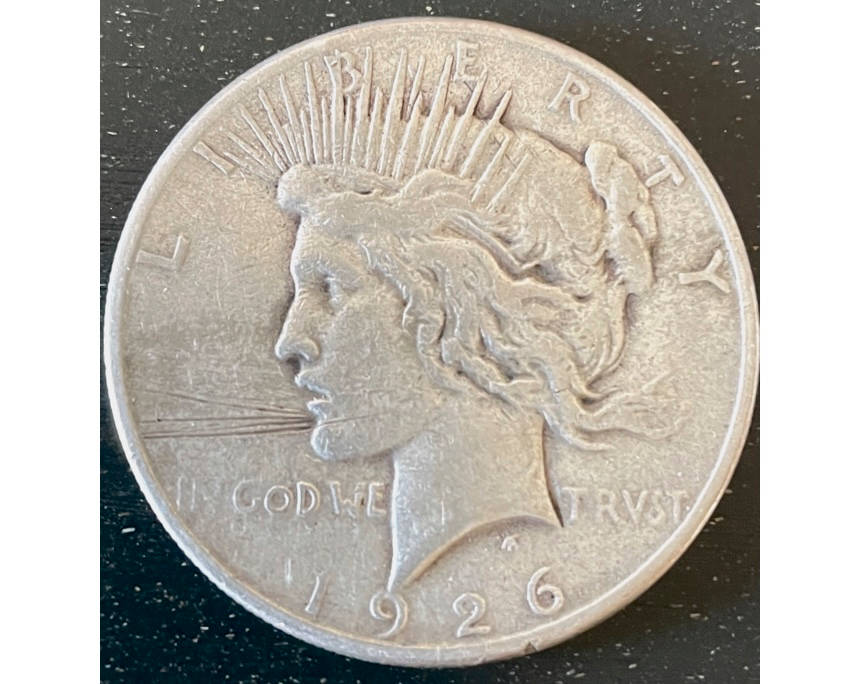
Recent online stories about pennies allegedly worth $124 million and billion-dollar 1976 Bicentennial quarter dollars are either false or grossly misleading, advises the Professional Numismatists Guild.
Archive: Coins, Medals and more
 https://new.coinsweekly.com/wp-content/uploads/2024/10/2024KW40HA2_00.jpg
684
860
Bruno
https://new.coinsweekly.com/wp-content/uploads/2023/01/logo-coinsweekly_590x204.png
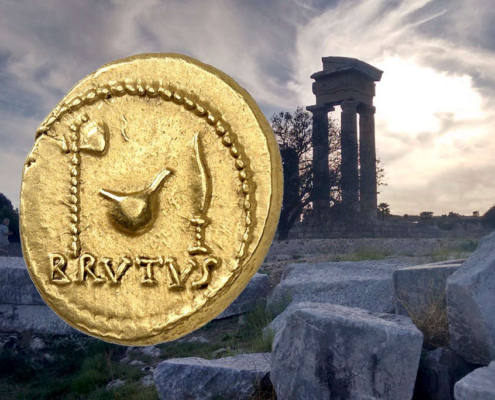
Bruno2024-10-02 13:24:392024-10-15 09:16:49Gold from Rhodes for the Battle for Rome
https://new.coinsweekly.com/wp-content/uploads/2024/10/2024KW40HA2_00.jpg
684
860
Bruno
https://new.coinsweekly.com/wp-content/uploads/2023/01/logo-coinsweekly_590x204.png
Bruno2024-10-02 13:24:392024-10-15 09:16:49Gold from Rhodes for the Battle for Rome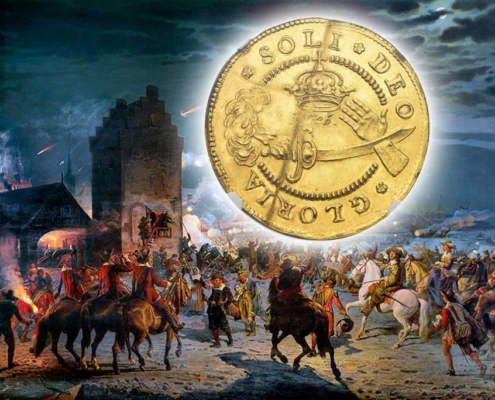 https://new.coinsweekly.com/wp-content/uploads/2024/10/2024KW40HA1_00.jpg
684
860
Bruno
https://new.coinsweekly.com/wp-content/uploads/2023/01/logo-coinsweekly_590x204.png
Bruno2024-10-02 13:27:042024-10-02 15:38:36Frederick III of Denmark and Eben Ezer
https://new.coinsweekly.com/wp-content/uploads/2024/10/2024KW40HA1_00.jpg
684
860
Bruno
https://new.coinsweekly.com/wp-content/uploads/2023/01/logo-coinsweekly_590x204.png
Bruno2024-10-02 13:27:042024-10-02 15:38:36Frederick III of Denmark and Eben Ezer
Maundy Money 2025: King Charles III Continues British Easter Tradition
King Charles III and Queen Camilla continued one of the oldest traditions of the British monarchy on Maundy Thursday 2025 in Durham Cathedral: the ceremonial distribution of the so-called Maundy Money.
A Highly Unusual Auction: Assets From Pobjoy Mint for Sale
Following the end of Pobjoy Mint last year, an online auction will present over 200 lots with the mint’s equipment next week. The sale features coining presses, machine tools, fabrication machinery, print and packaging equipment and more.