







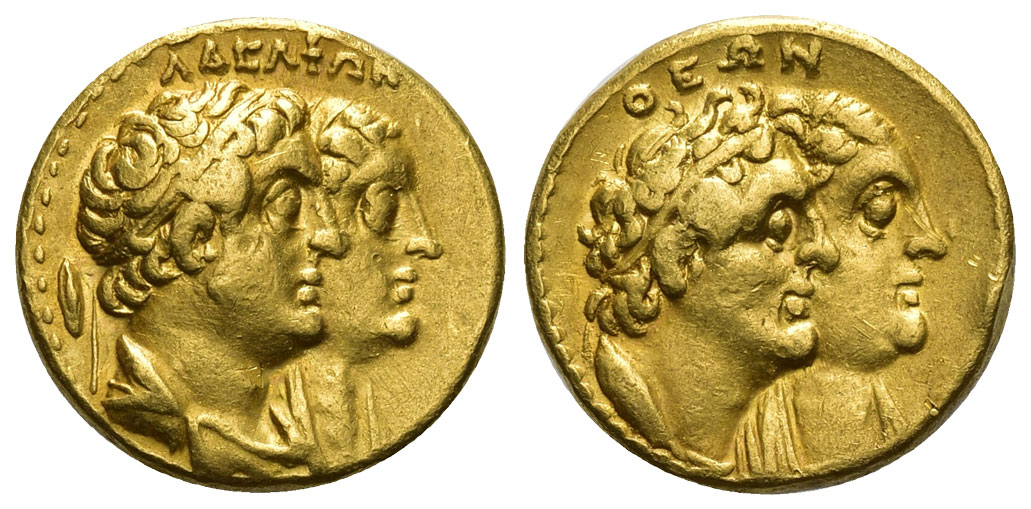
AV Tetradrachm (282–272 BC),
King Ptolemy II and Queen Arsinoe II.
From the major collection of Alexandria mint.
Condition: vf+
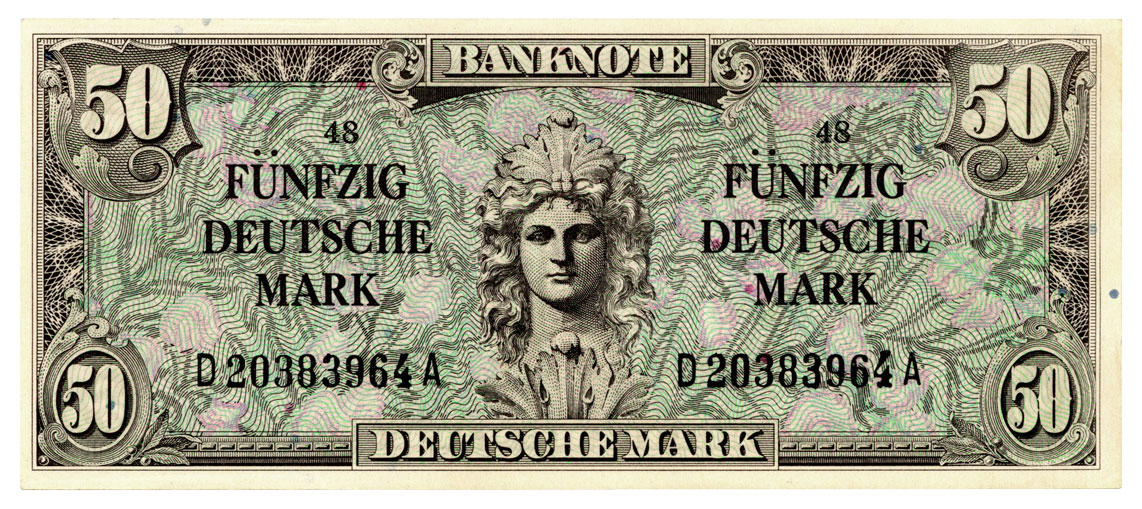
50 Deutsche Mark o.D. ( 1948-1949) "Liberty".
Condition: extremly rare, I
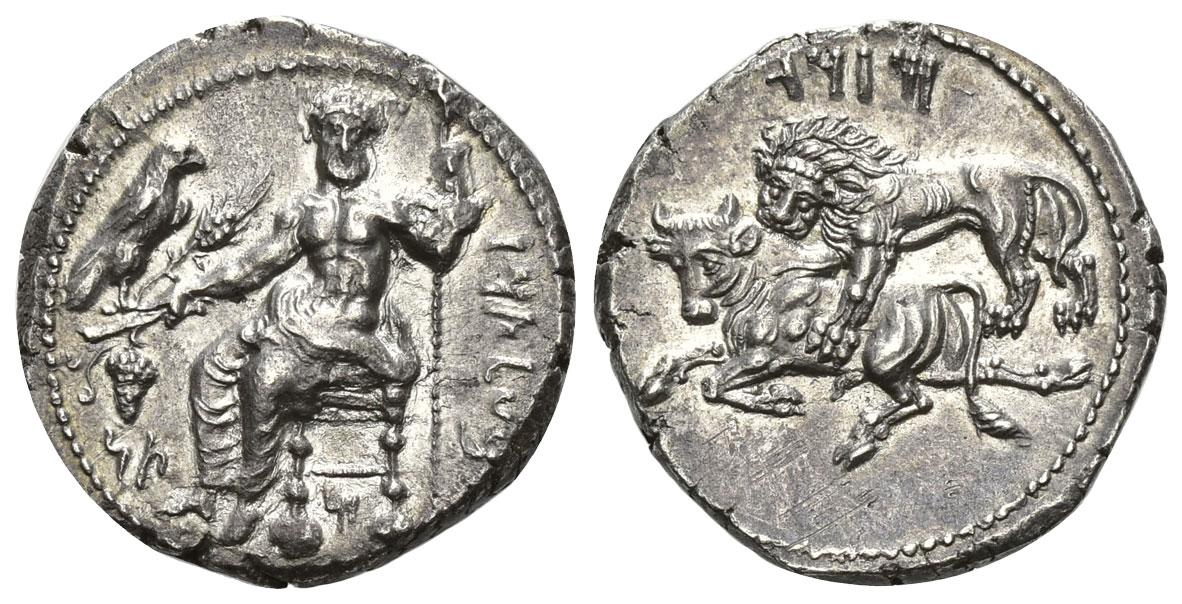
AR Stater (361-334 BC).
Obv. Baal of Tarsos.
Conditon: ef
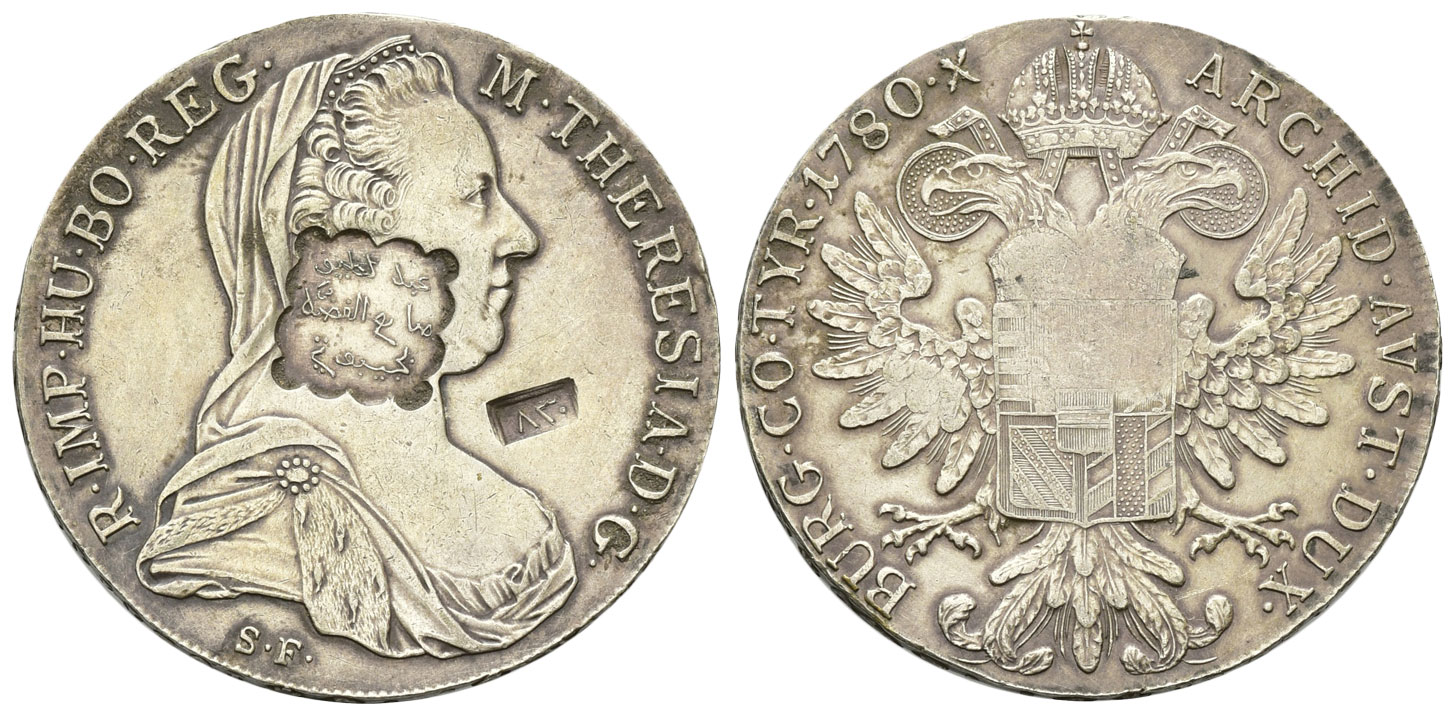
Taler 1780 SF
with counter stamp Djibouti (1870-1900).
Condition: vf
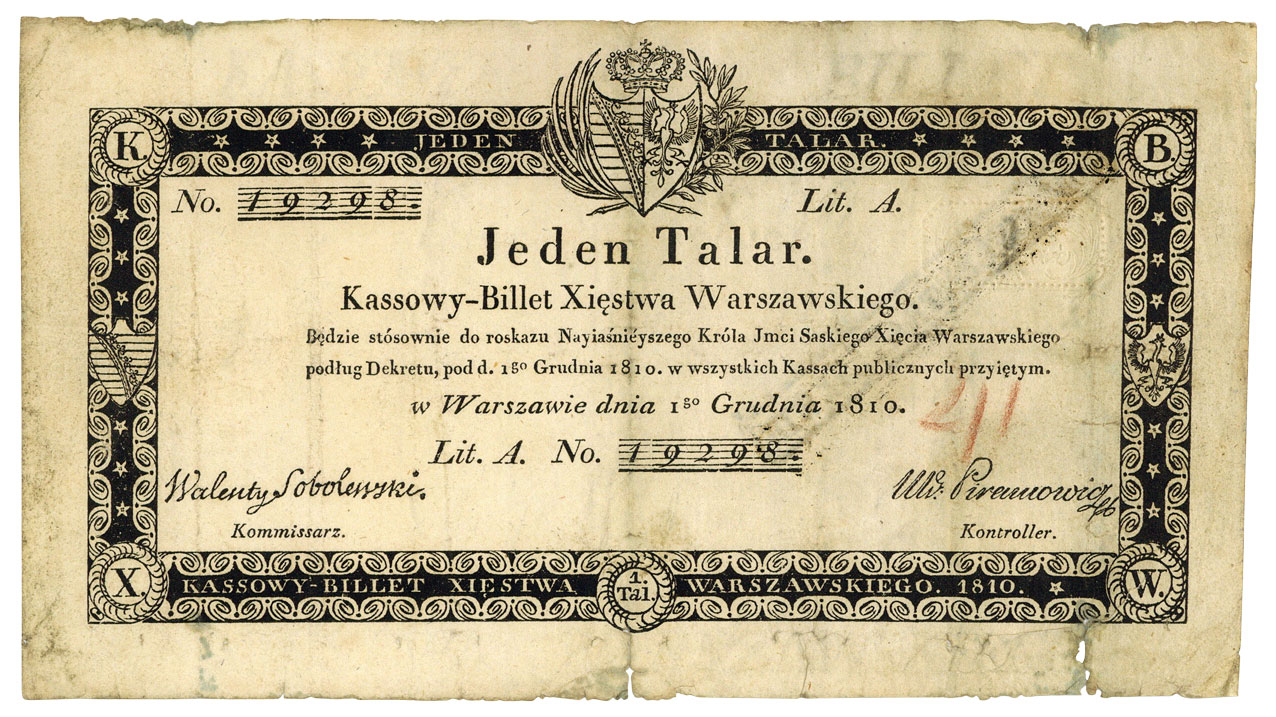
1 Talar 1. December 1810.
Condition: III-IV
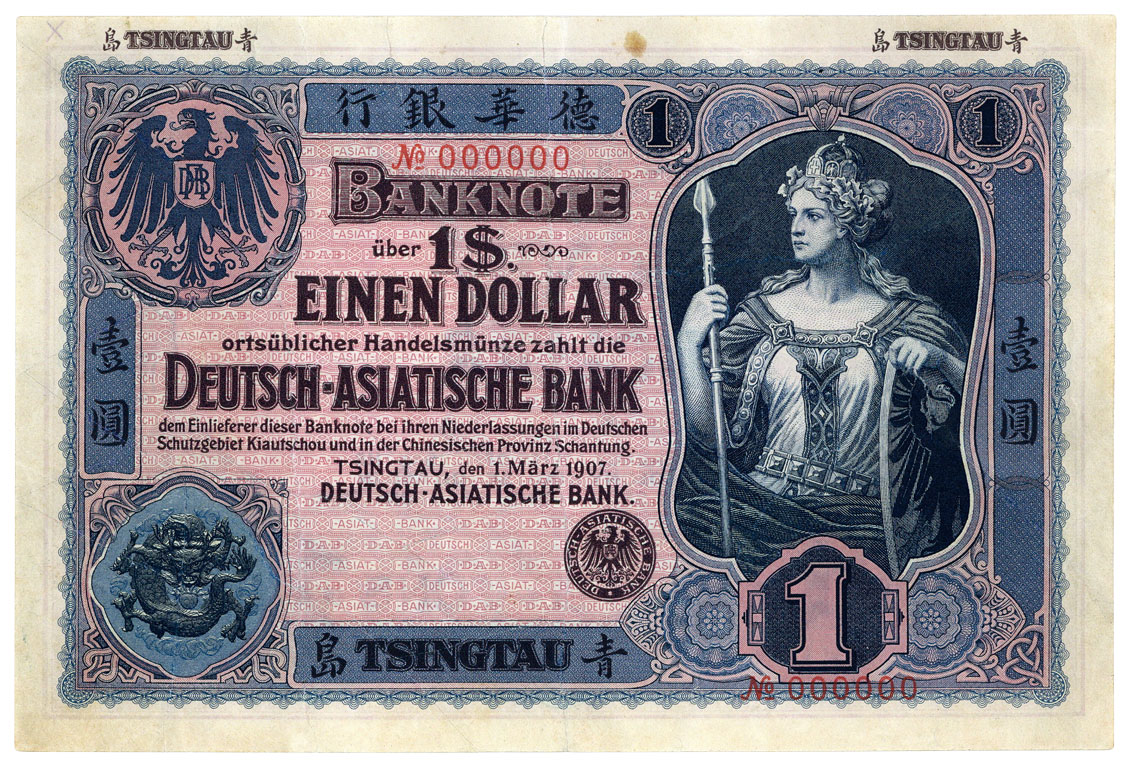
1 Dollar 1.3.1907, Tsingtao.
Condition: very rare, restored
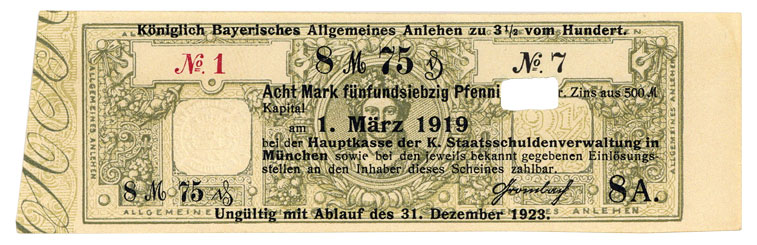
Royal Bavarian General Loan.
8.75 Marks, March 1, 1919.
Condition: rare, I
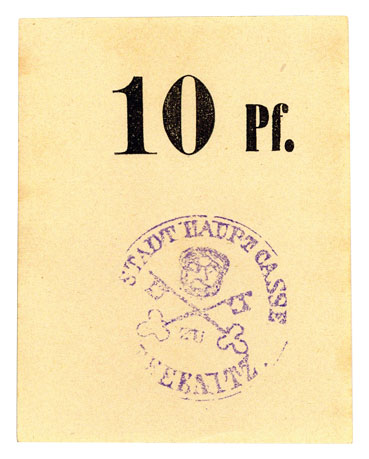
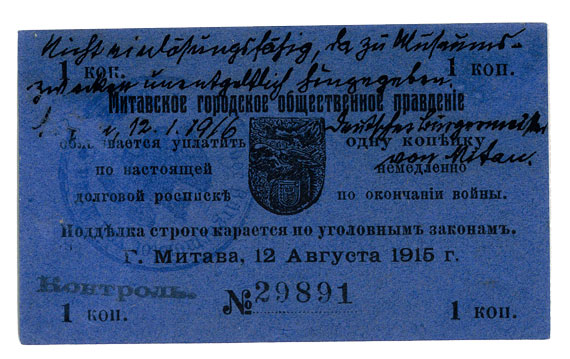
Archive: People and Markets
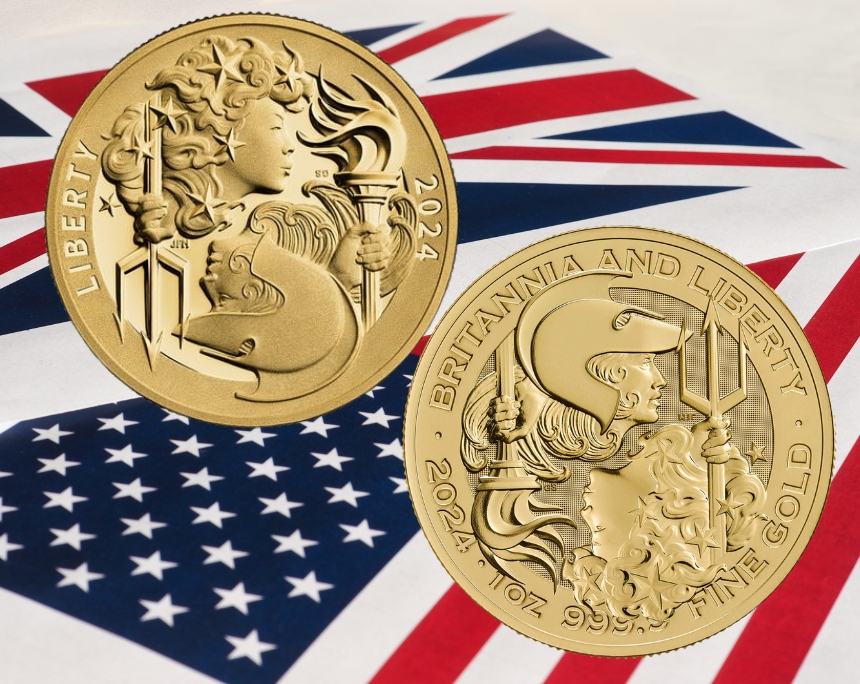
Two Powerful Women – a Premiere in Gold and Silver
The British Royal Mint and the United States Mint collaborated to create a joint issue combining the well-known coin motifs of Lady Liberty and Britannia. They went all the way and had the chief engravers of both mints group up for a one-of-a-kind partnership.
Myntauktioner i Sverige AB Enters Partnership with Künker
Cooperation is the key to success. Following this motto, the Künker auction house enters another strategic partnership with Myntauktioner i Sverige AB, headed by Dan Carlberg, Sweden’s leading auction house.
Archive: Coins, Medals and more
 https://new.coinsweekly.com/wp-content/uploads/2024/04/00-2024KW17aHauptartikel.jpeg
684
860
Sebastian Wieschowski
https://new.coinsweekly.com/wp-content/uploads/2023/01/logo-coinsweekly_590x204.png
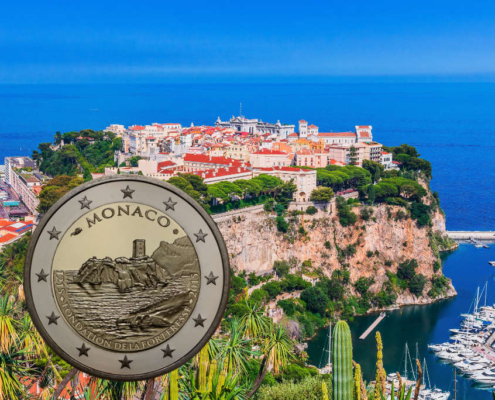
Sebastian Wieschowski2024-04-25 07:00:362024-04-25 07:52:37A Numismatic Journey Through the Principality of Monaco
https://new.coinsweekly.com/wp-content/uploads/2024/04/00-2024KW17aHauptartikel.jpeg
684
860
Sebastian Wieschowski
https://new.coinsweekly.com/wp-content/uploads/2023/01/logo-coinsweekly_590x204.png
Sebastian Wieschowski2024-04-25 07:00:362024-04-25 07:52:37A Numismatic Journey Through the Principality of Monaco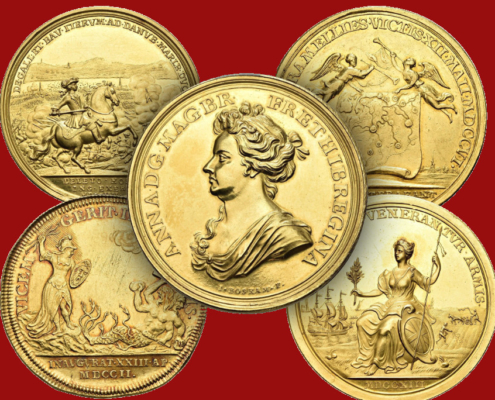 https://new.coinsweekly.com/wp-content/uploads/2025/05/2025KW19HA01_00.jpg
684
860
Lucie Loechel
https://new.coinsweekly.com/wp-content/uploads/2023/01/logo-coinsweekly_590x204.png
Lucie Loechel2025-05-08 10:15:222025-05-08 10:15:22Queen Anne: Great Britain on Its Way to Becoming a Global Power
https://new.coinsweekly.com/wp-content/uploads/2025/05/2025KW19HA01_00.jpg
684
860
Lucie Loechel
https://new.coinsweekly.com/wp-content/uploads/2023/01/logo-coinsweekly_590x204.png
Lucie Loechel2025-05-08 10:15:222025-05-08 10:15:22Queen Anne: Great Britain on Its Way to Becoming a Global Power
RNS Early Career Lectures 2024: Call for Papers!
The Royal Numismatic Society is looking for two students or early career professionals to give a lecture to its members in February 2024. As this will take place over Zoom everybody from all over the world is encouraged to submit a proposal soon!
New CIT Issue: The Great Wall of China
No structure in China fires our imagination more than the 21,196-kilometer-long Great Wall of China. Using state-of-the-art minting technology, CIT has created a highly detailed tribute to the Wall with an ultra-high relief.