







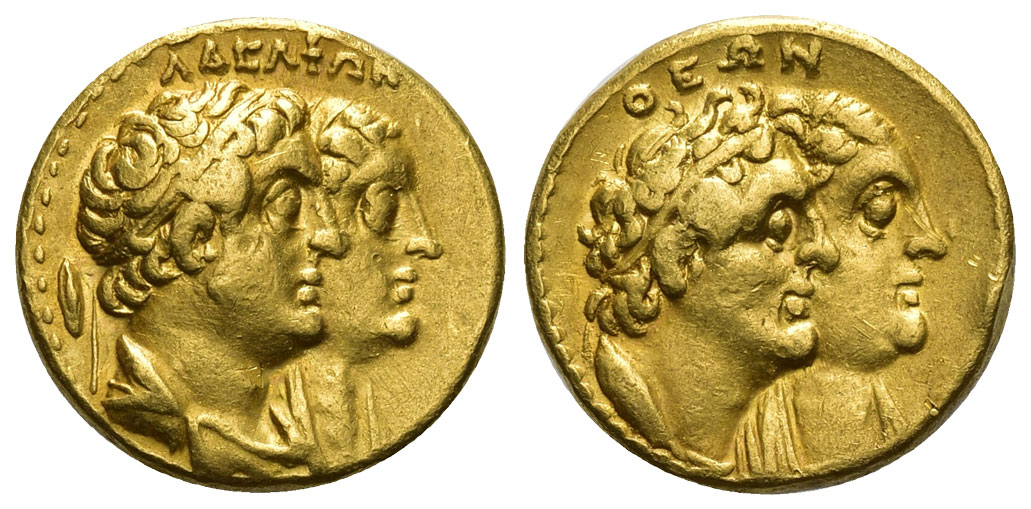
AV Tetradrachm (282–272 BC),
King Ptolemy II and Queen Arsinoe II.
From the major collection of Alexandria mint.
Condition: vf+
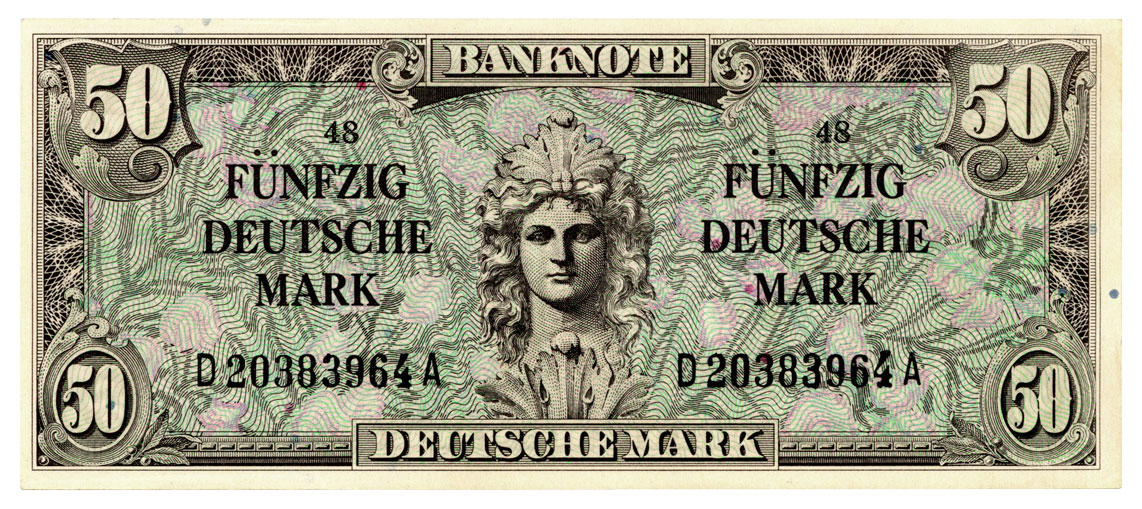
50 Deutsche Mark o.D. ( 1948-1949) "Liberty".
Condition: extremly rare, I
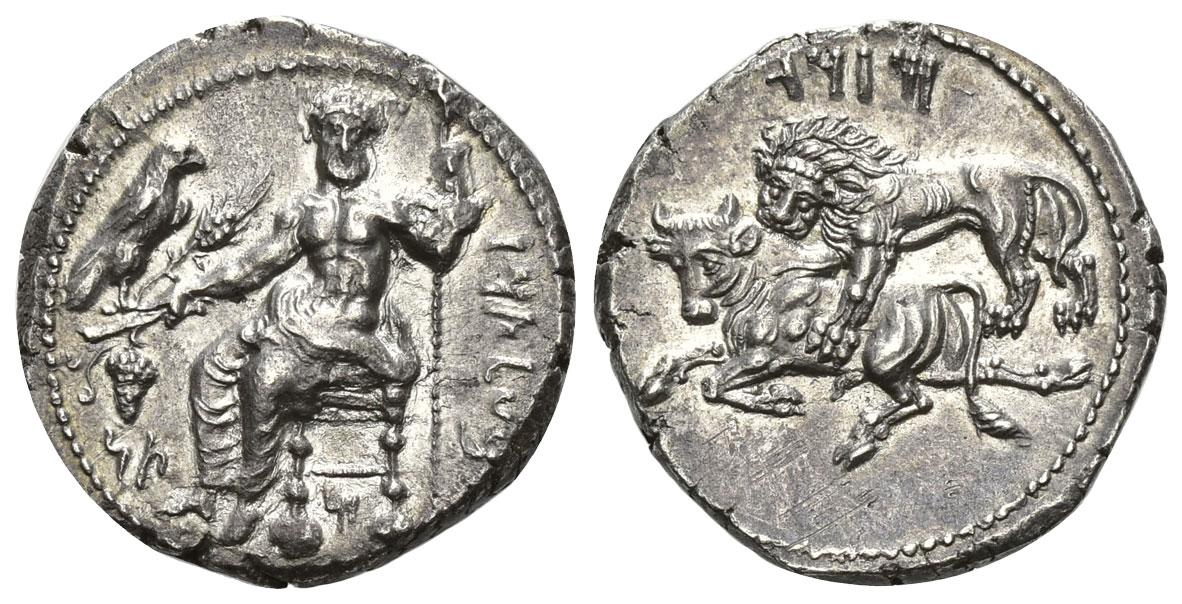
AR Stater (361-334 BC).
Obv. Baal of Tarsos.
Conditon: ef
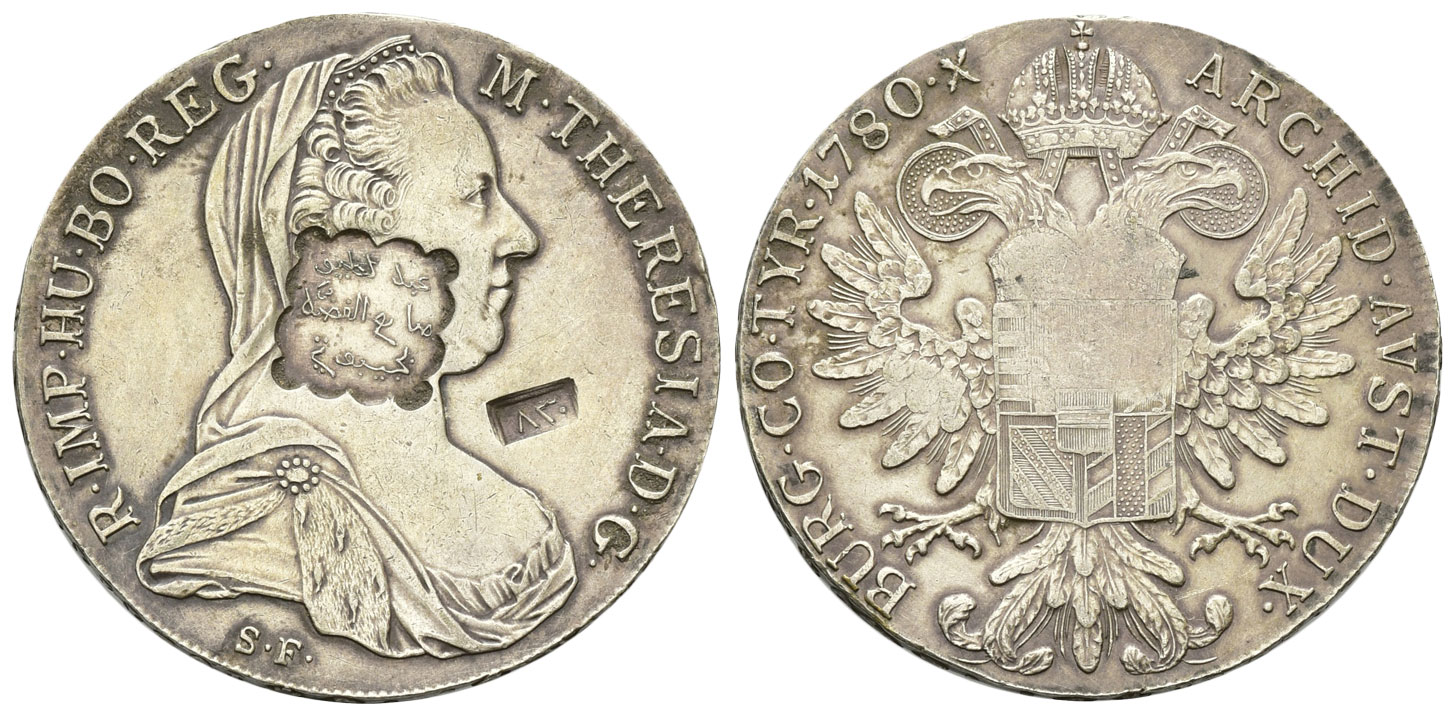
Taler 1780 SF
with counter stamp Djibouti (1870-1900).
Condition: vf
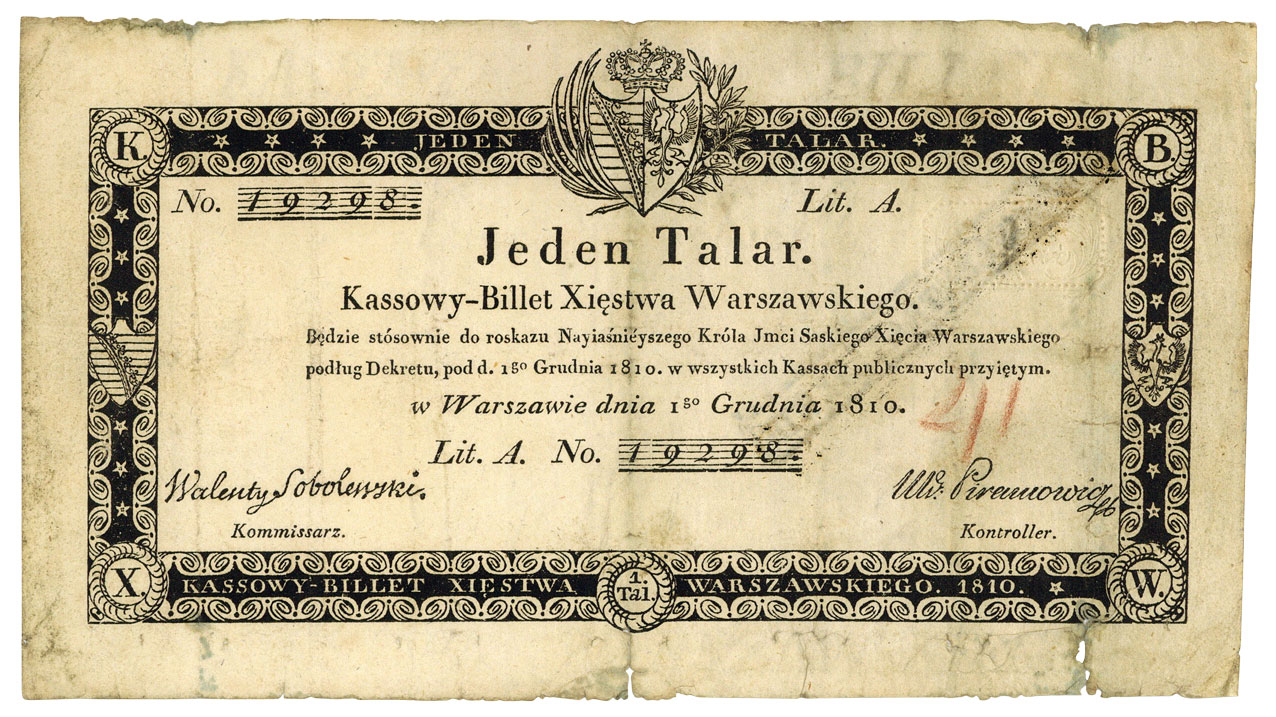
1 Talar 1. December 1810.
Condition: III-IV
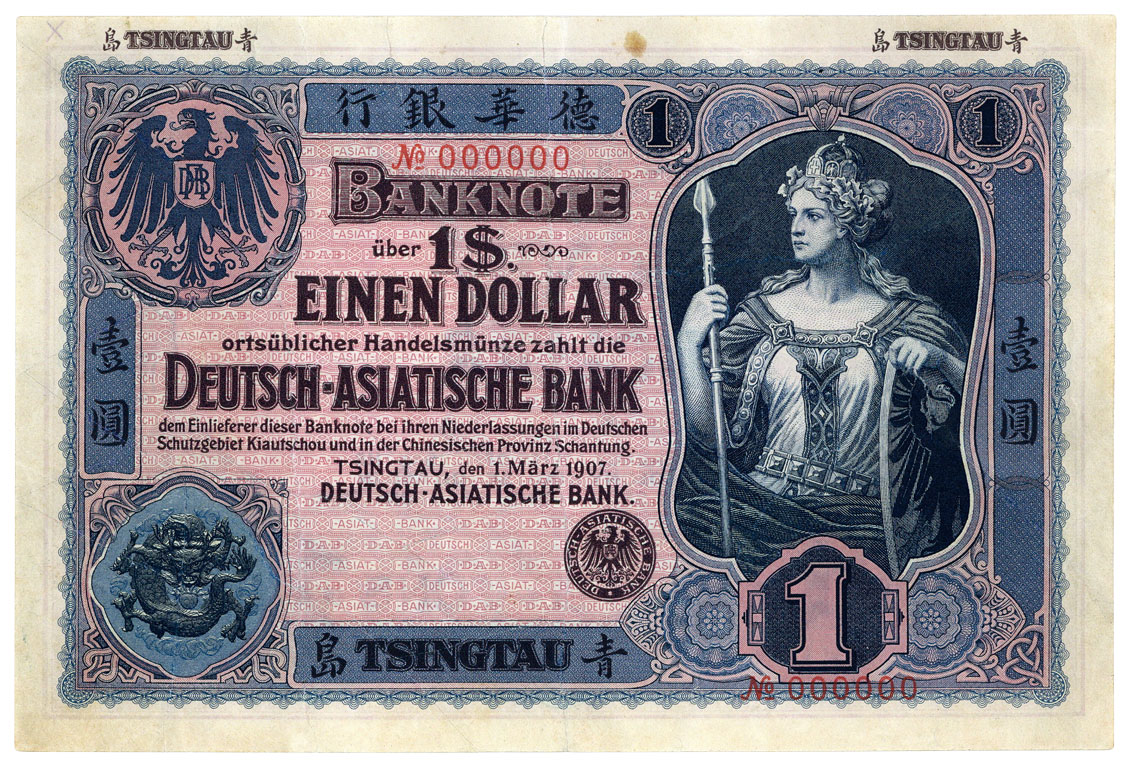
1 Dollar 1.3.1907, Tsingtao.
Condition: very rare, restored
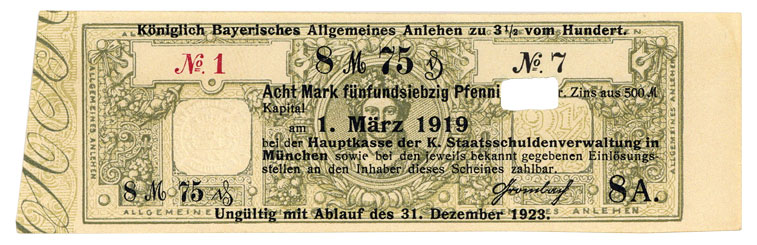
Royal Bavarian General Loan.
8.75 Marks, March 1, 1919.
Condition: rare, I
Archive: People and Markets

On Our Own Account: CoinsWeekly Takes a Moment to Reflect
CoinsWeekly will be taking a break from July 4 to September 15, 2025, to perfect and implement its new concept. Look forward to opinionated commentary and in-depth numismatic information, when CoinsWeekly is back again after September 15!
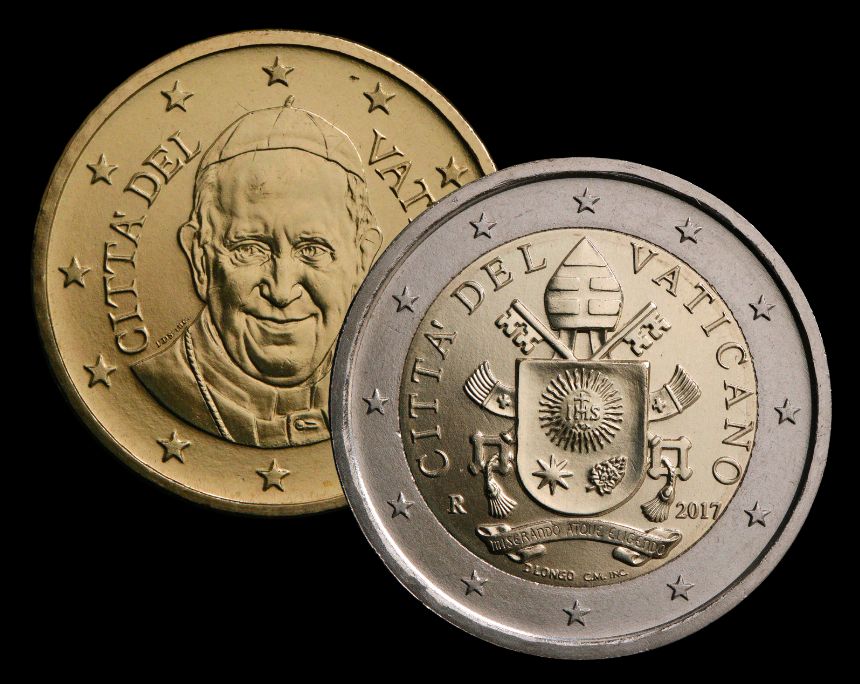
Questions and Answers for Coin Collectors Regarding the Death of Pope Francis
Following five different coin series since 2002, the Vatican is set to issue new euro coins this year. When the change to a new pope on the coins will take place, and how the Sede Vacante will be commemorated numismatically, remains unclear – as does the timing for the return of the Vatican’s coin issuing office for collectors.
Archive: Coins, Medals and more
 https://new.coinsweekly.com/wp-content/uploads/2023/06/CoCo03_09.jpg
667
1000
Ursula Kampmann
https://new.coinsweekly.com/wp-content/uploads/2023/01/logo-coinsweekly_590x204.png
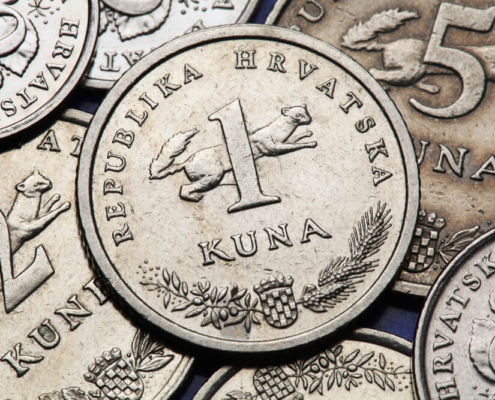
Ursula Kampmann2022-06-13 10:37:152023-06-27 10:39:21What Will Be Depicted on Croatia’s Euro Coins?
https://new.coinsweekly.com/wp-content/uploads/2023/06/CoCo03_09.jpg
667
1000
Ursula Kampmann
https://new.coinsweekly.com/wp-content/uploads/2023/01/logo-coinsweekly_590x204.png
Ursula Kampmann2022-06-13 10:37:152023-06-27 10:39:21What Will Be Depicted on Croatia’s Euro Coins?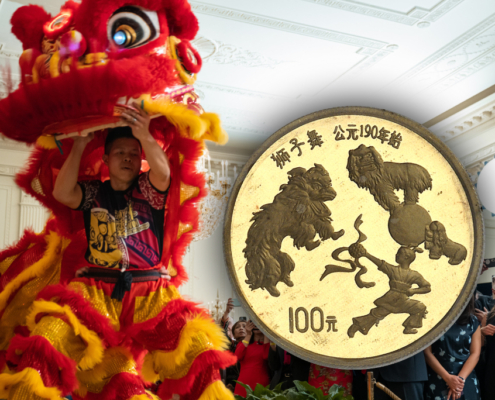 https://new.coinsweekly.com/wp-content/uploads/2024/05/2024KW18HA_00.jpg
684
860
Ursula Kampmann
https://new.coinsweekly.com/wp-content/uploads/2023/01/logo-coinsweekly_590x204.png
Ursula Kampmann2024-05-02 10:35:242024-05-02 10:35:24100 Yuan Lion Dance 1995: One of the Rarest Chinese Coins of Our Age
https://new.coinsweekly.com/wp-content/uploads/2024/05/2024KW18HA_00.jpg
684
860
Ursula Kampmann
https://new.coinsweekly.com/wp-content/uploads/2023/01/logo-coinsweekly_590x204.png
Ursula Kampmann2024-05-02 10:35:242024-05-02 10:35:24100 Yuan Lion Dance 1995: One of the Rarest Chinese Coins of Our Age
The Silver Coinage of the Gupta Empire and Associated States in Western India: Analysis, Classification and Illustrated Catalogue
Authors Ian J. Todd and A.M. Fishman have published a new book on the silver coinage of the Gupta Empire and associated states in western India. Read their announcement here.
Join the First International Numismatic Alliance Conference!
The first edition of the International Numismatic Alliance Conference (INAC) will be held on May 26th. This free and open for everyone online event wants to offer a new unique opportunity for everyone to delve into the fascinating world of numismatics.