






Archive: People and Markets
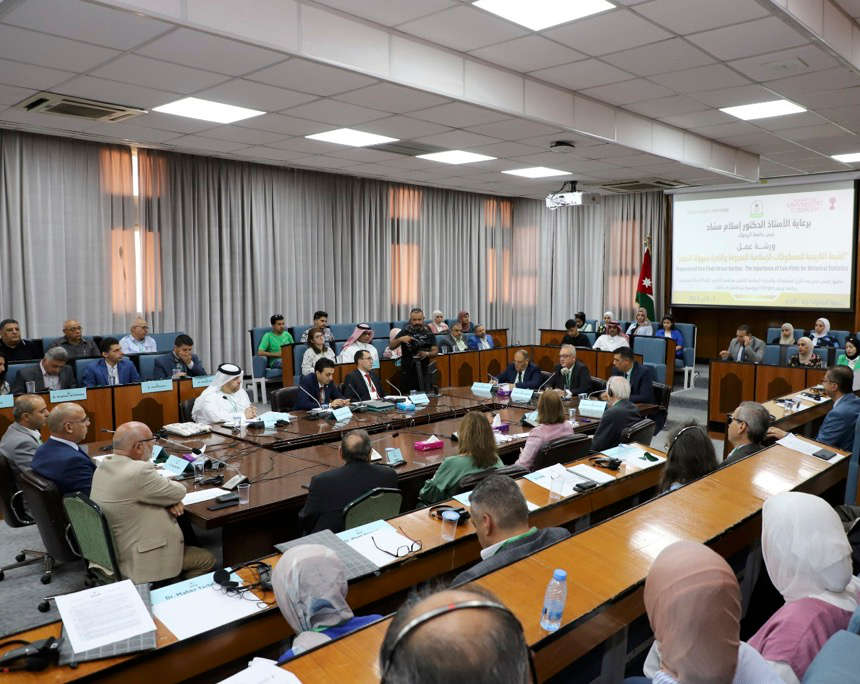
Provenanced Coin Finds Versus Rarities – The Importance of Coin Finds for Historical Statistics
Reporting coin finds is essential for the study of coinage. A Workshop in Jordan discussed the importance of coin finds for historical statistics and the experience of a group of Syrian archaeologists who turned to one of the most important groups of coin finders: children.
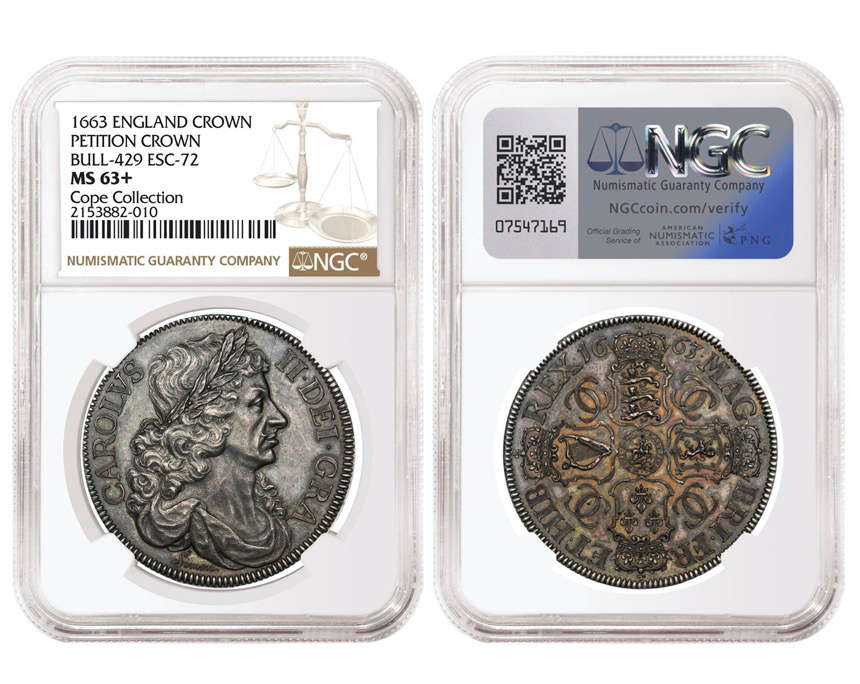
Petition Crown Realizes More than $1 Million, Setting Record
For the second time this year, an example of England’s Petition Crown certified by NGC has realized a record price. The piece from the Geoffrey Cope Collection broke the $1 million barrier.
Archive: Coins, Medals and more
 https://new.coinsweekly.com/wp-content/uploads/2023/07/2023KW30HA_00.jpg
684
860
Ursula Kampmann
https://new.coinsweekly.com/wp-content/uploads/2023/01/logo-coinsweekly_590x204.png
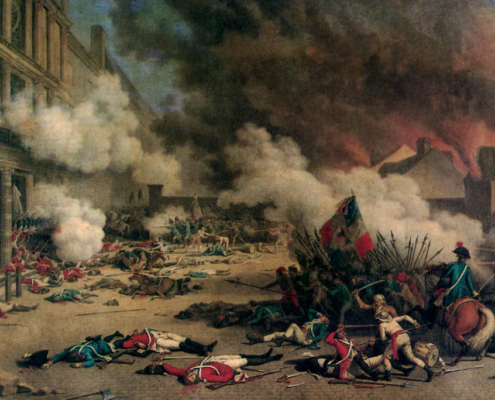
Ursula Kampmann2023-07-27 09:11:342023-07-27 09:11:34French History in Coins – Part 1: Kings, Consuls and Emperors
https://new.coinsweekly.com/wp-content/uploads/2023/07/2023KW30HA_00.jpg
684
860
Ursula Kampmann
https://new.coinsweekly.com/wp-content/uploads/2023/01/logo-coinsweekly_590x204.png
Ursula Kampmann2023-07-27 09:11:342023-07-27 09:11:34French History in Coins – Part 1: Kings, Consuls and Emperors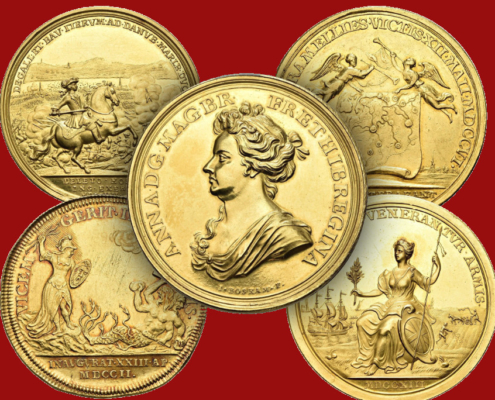 https://new.coinsweekly.com/wp-content/uploads/2025/05/2025KW19HA01_00.jpg
684
860
Lucie Loechel
https://new.coinsweekly.com/wp-content/uploads/2023/01/logo-coinsweekly_590x204.png
Lucie Loechel2025-05-08 10:15:222025-05-08 10:15:22Queen Anne: Great Britain on Its Way to Becoming a Global Power
https://new.coinsweekly.com/wp-content/uploads/2025/05/2025KW19HA01_00.jpg
684
860
Lucie Loechel
https://new.coinsweekly.com/wp-content/uploads/2023/01/logo-coinsweekly_590x204.png
Lucie Loechel2025-05-08 10:15:222025-05-08 10:15:22Queen Anne: Great Britain on Its Way to Becoming a Global Power
Myntauktioner i Sverige AB Enters Partnership with Künker
Cooperation is the key to success. Following this motto, the Künker auction house enters another strategic partnership with Myntauktioner i Sverige AB, headed by Dan Carlberg, Sweden’s leading auction house.
Numismata: The Coin Show with a Special Flair
From 2 to 3 March 2024, the internationally renowned Numismata will be held in Munich. Angela Modes invites collectors and coin dealers from all over the world to experience the wide range of offers at the show.