







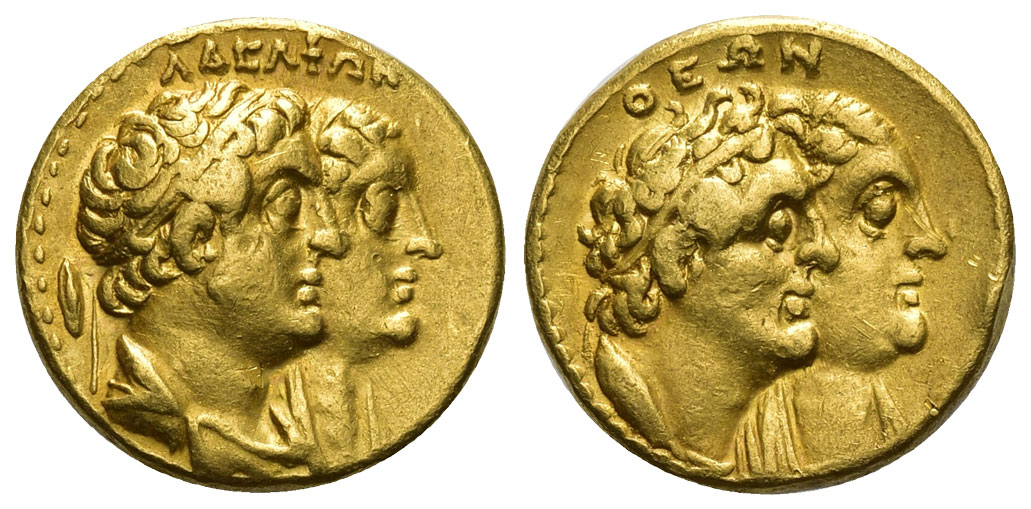
AV Tetradrachm (282–272 BC),
King Ptolemy II and Queen Arsinoe II.
From the major collection of Alexandria mint.
Condition: vf+
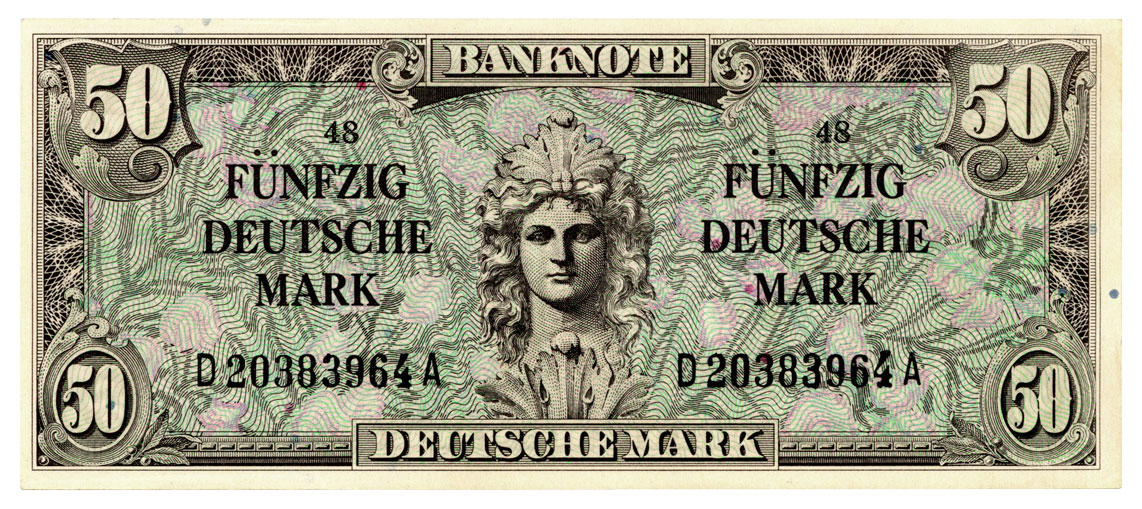
50 Deutsche Mark o.D. ( 1948-1949) "Liberty".
Condition: extremly rare, I
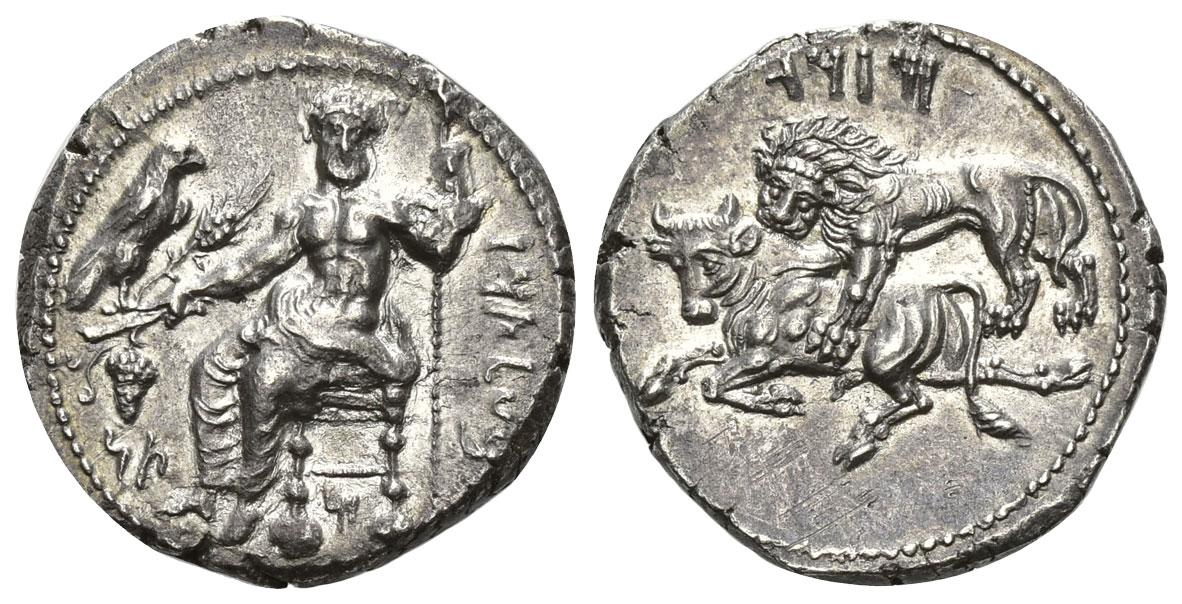
AR Stater (361-334 BC).
Obv. Baal of Tarsos.
Conditon: ef
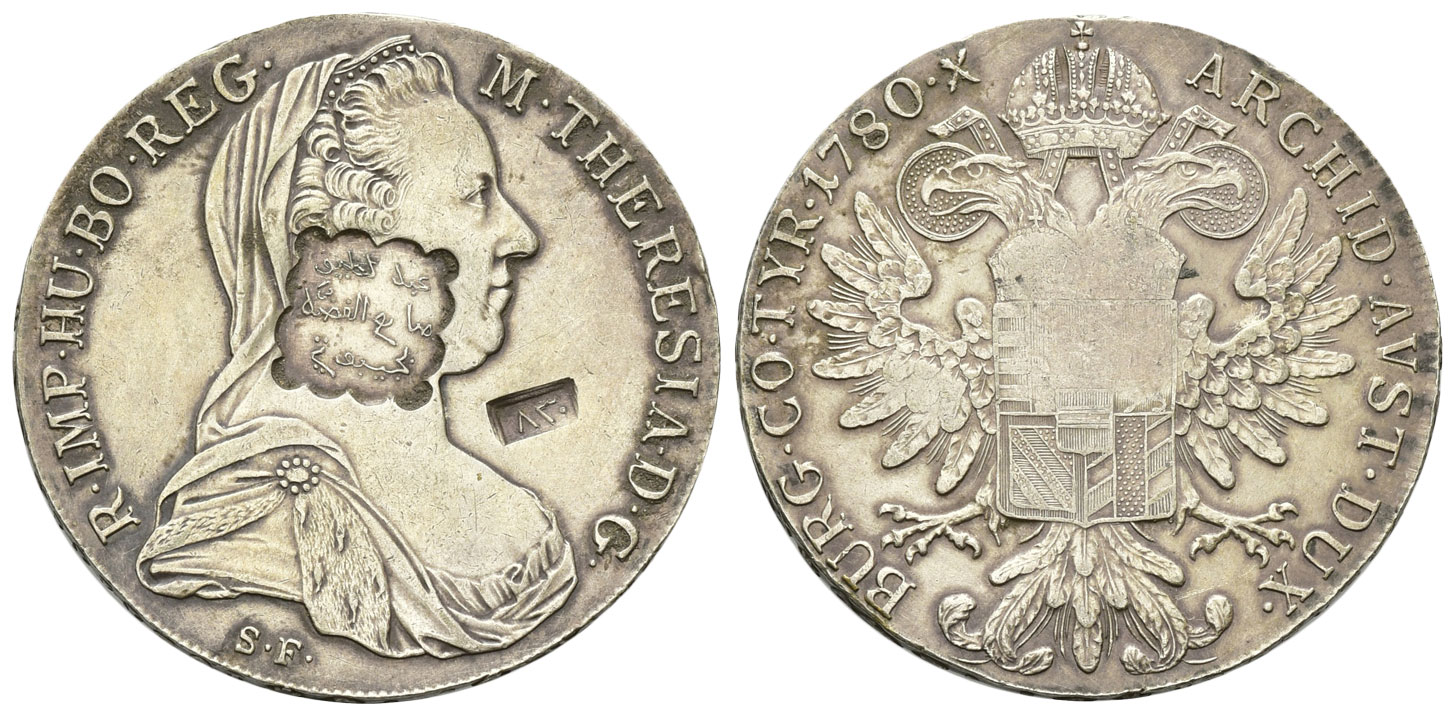
Taler 1780 SF
with counter stamp Djibouti (1870-1900).
Condition: vf
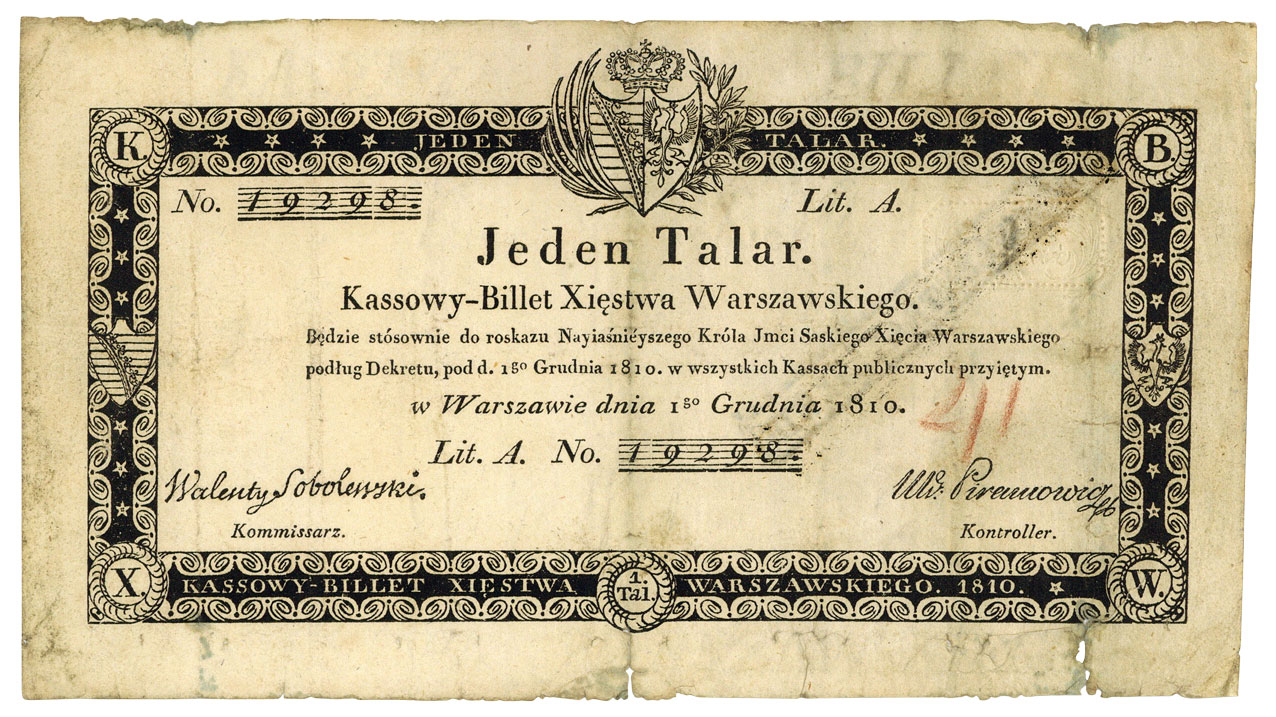
1 Talar 1. December 1810.
Condition: III-IV
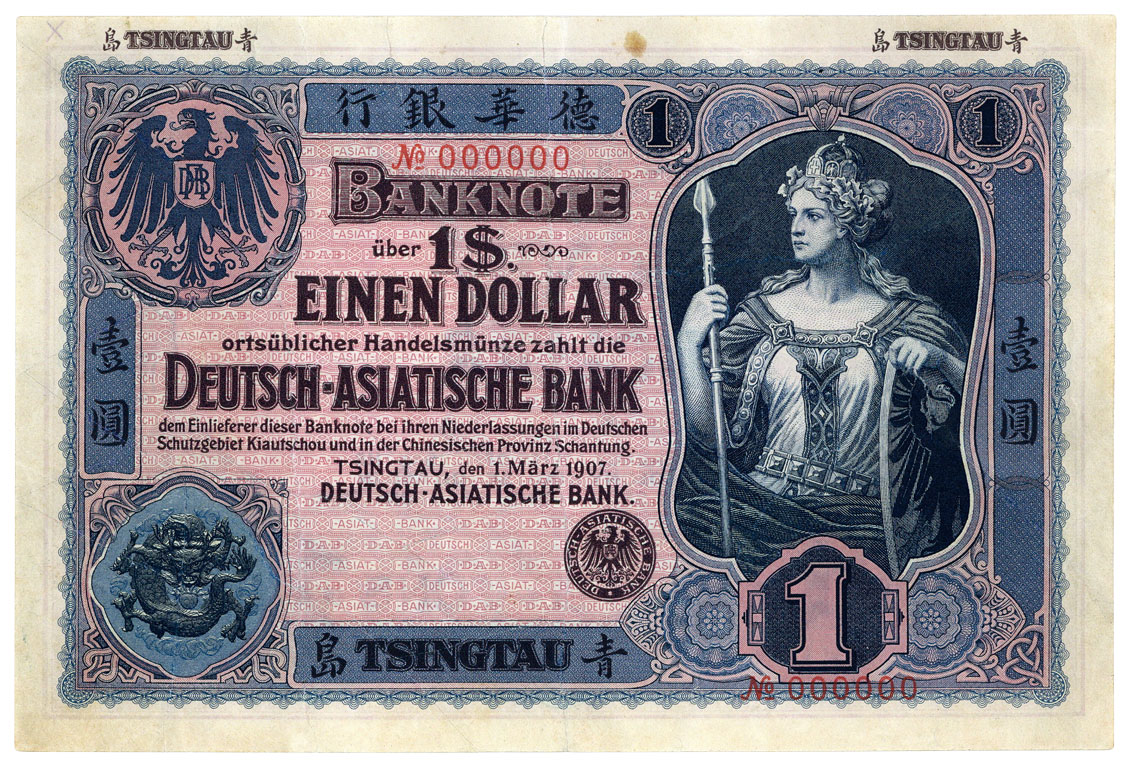
1 Dollar 1.3.1907, Tsingtao.
Condition: very rare, restored
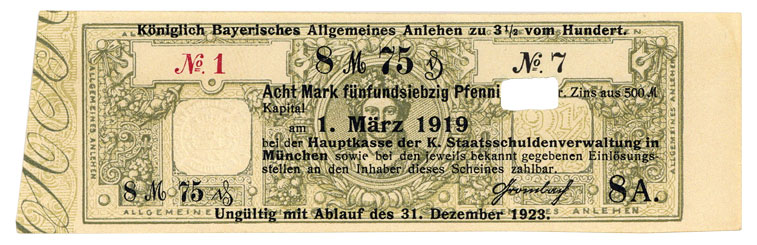
Royal Bavarian General Loan.
8.75 Marks, March 1, 1919.
Condition: rare, I
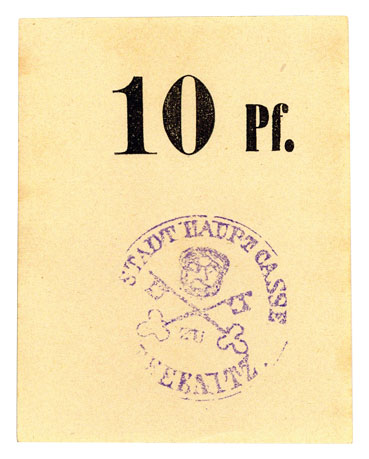
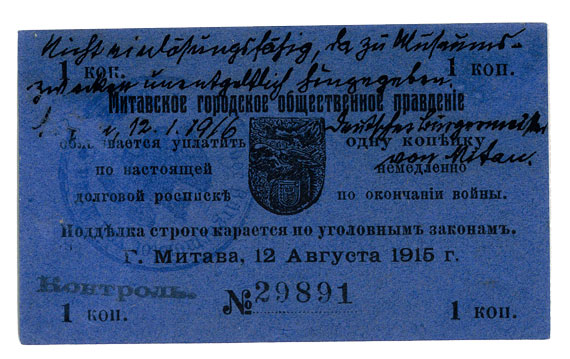
Archive: People and Markets
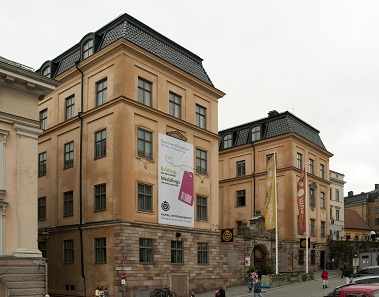
The Royal Coin Cabinet in Stockholm is going to be closed and stripped down
The Swedish national museum of economy is going to be closed down. This entails the relocation of the Royal Coin Cabinet and its notable library. At this point, no one knows where, when or how the coins and books will be available again. Harald Nilsson reports.
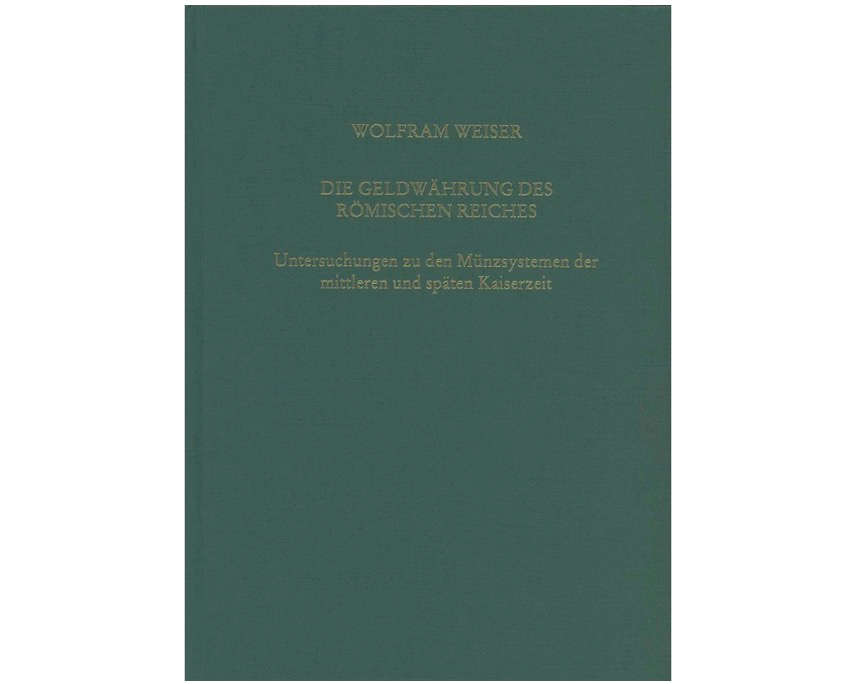
A Great Numismatist’s Important Book Published Posthumously
About a year after Wolfram Weisers death, his book on the currency of the Roman Empire has been published. Prof. Johannes Nollé has taken a closer look at this important German study.
Archive: Coins, Medals and more
 https://new.coinsweekly.com/wp-content/uploads/2024/04/00-2024KW17aHauptartikel.jpeg
684
860
Sebastian Wieschowski
https://new.coinsweekly.com/wp-content/uploads/2023/01/logo-coinsweekly_590x204.png
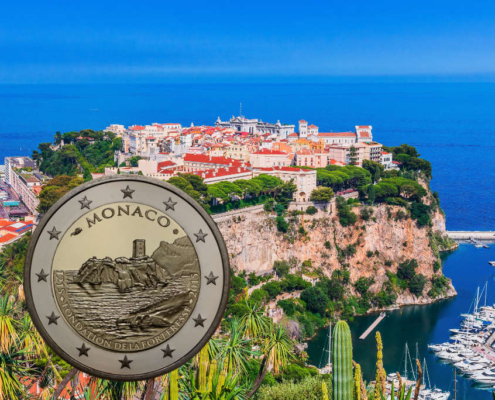
Sebastian Wieschowski2024-04-25 07:00:362024-04-25 07:52:37A Numismatic Journey Through the Principality of Monaco
https://new.coinsweekly.com/wp-content/uploads/2024/04/00-2024KW17aHauptartikel.jpeg
684
860
Sebastian Wieschowski
https://new.coinsweekly.com/wp-content/uploads/2023/01/logo-coinsweekly_590x204.png
Sebastian Wieschowski2024-04-25 07:00:362024-04-25 07:52:37A Numismatic Journey Through the Principality of Monaco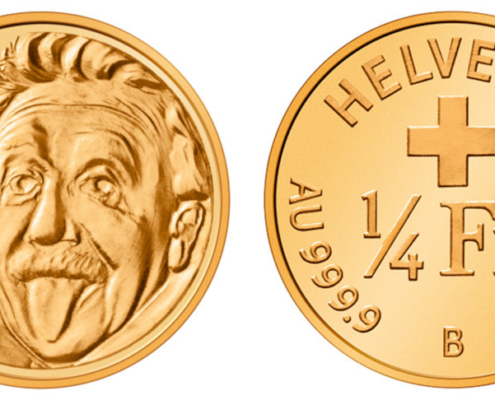 https://new.coinsweekly.com/wp-content/uploads/2023/06/00ab.jpg
486
1000
Bruno
https://new.coinsweekly.com/wp-content/uploads/2023/01/logo-coinsweekly_590x204.png
Bruno2022-06-13 13:27:592023-06-29 11:34:06Swissmint, a Mint of Records
https://new.coinsweekly.com/wp-content/uploads/2023/06/00ab.jpg
486
1000
Bruno
https://new.coinsweekly.com/wp-content/uploads/2023/01/logo-coinsweekly_590x204.png
Bruno2022-06-13 13:27:592023-06-29 11:34:06Swissmint, a Mint of Records
Swedish Economy Museum Reopened
Ever since the Swedish “Economy Museum – Royal Coin Cabinet” moved to a new location in 2019, there have only been special exhibitions on display. Now, the two permanent exhibitions on the topics of money and the economy were finally opened.
Gold at Record High, Demand for Bullion Coins Collapses
While the gold price has reached new all-time highs several sessions in recent weeks and gained around 20 per cent in value in a short period of time in a steep upward trend, several mints are reporting a drastic decline in sales in the precious metal sector.