







Archive: People and Markets

Museum of American Finance Announces New Exhibit Headquarters
The Museum of American Finance, a Smithsonian affiliate, is relocating to Boston with a new 5,400 sq ft space set to open on July 1, 2026. This marks its first permanent exhibit location since leaving 48 Wall Street in New York in 2018 after a flood damaged the facility but spared its renowned collections.

The Second Issue on Swiss Cable Cars: The Titlis Cable Car
Attention cable car enthusiasts: Swissmint is launching the second issue in its series on Swiss cable cars. The subject of the third and final coin in the series has also already been announced.
Archive: Coins, Medals and more
 https://new.coinsweekly.com/wp-content/uploads/2024/11/2024KW48HA_00.jpg
684
860
Lucie Loechel
https://new.coinsweekly.com/wp-content/uploads/2023/01/logo-coinsweekly_590x204.png
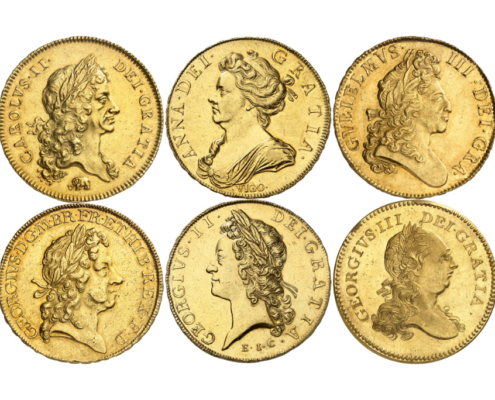
Lucie Loechel2024-11-28 11:11:542024-11-28 11:42:25Royal Gold: England’s Five Guineas and the English Gold Currency
https://new.coinsweekly.com/wp-content/uploads/2024/11/2024KW48HA_00.jpg
684
860
Lucie Loechel
https://new.coinsweekly.com/wp-content/uploads/2023/01/logo-coinsweekly_590x204.png
Lucie Loechel2024-11-28 11:11:542024-11-28 11:42:25Royal Gold: England’s Five Guineas and the English Gold Currency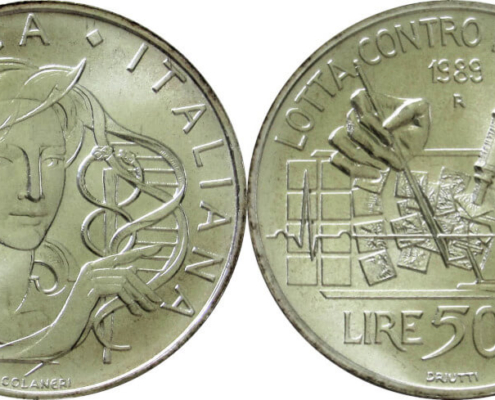 https://new.coinsweekly.com/wp-content/uploads/2023/06/00-6.jpg
489
1001
Bruno
https://new.coinsweekly.com/wp-content/uploads/2023/01/logo-coinsweekly_590x204.png
Bruno2022-06-13 12:59:122023-07-03 13:07:57Numismatic Issues Concerning Health, Medicine and Women in Times of Covid, Part 3: Personifications of Health and Medicine
https://new.coinsweekly.com/wp-content/uploads/2023/06/00-6.jpg
489
1001
Bruno
https://new.coinsweekly.com/wp-content/uploads/2023/01/logo-coinsweekly_590x204.png
Bruno2022-06-13 12:59:122023-07-03 13:07:57Numismatic Issues Concerning Health, Medicine and Women in Times of Covid, Part 3: Personifications of Health and Medicine
NUMISMATA’s Key to Success: Keep It Simple!
On the first weekend of spring, the NUMISMATA coin show was held in Munich. The fair attracted thousands of passionate coin collectors who crowded the aisles of the exhibition centre.
These Are Japan’s New Banknotes
In April 2023, the Bank of Japan has presented the first specimens of the new banknotes, which will enter circulation in 2024. The 1,000, 5,000, and 10,000 yen denominations will feature new motifs and new security features.