






Archive: People and Markets
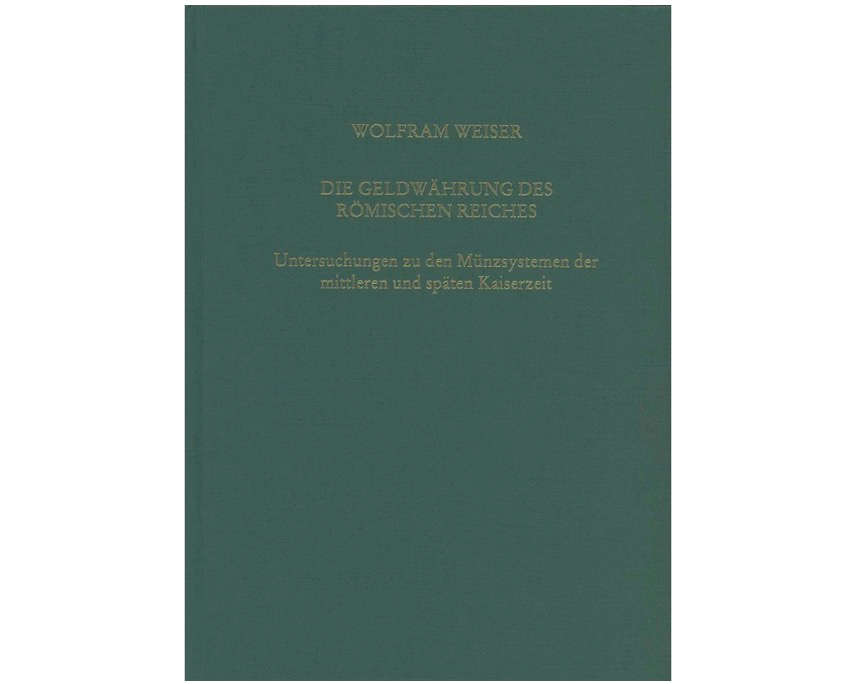
A Great Numismatist’s Important Book Published Posthumously
About a year after Wolfram Weisers death, his book on the currency of the Roman Empire has been published. Prof. Johannes Nollé has taken a closer look at this important German study.
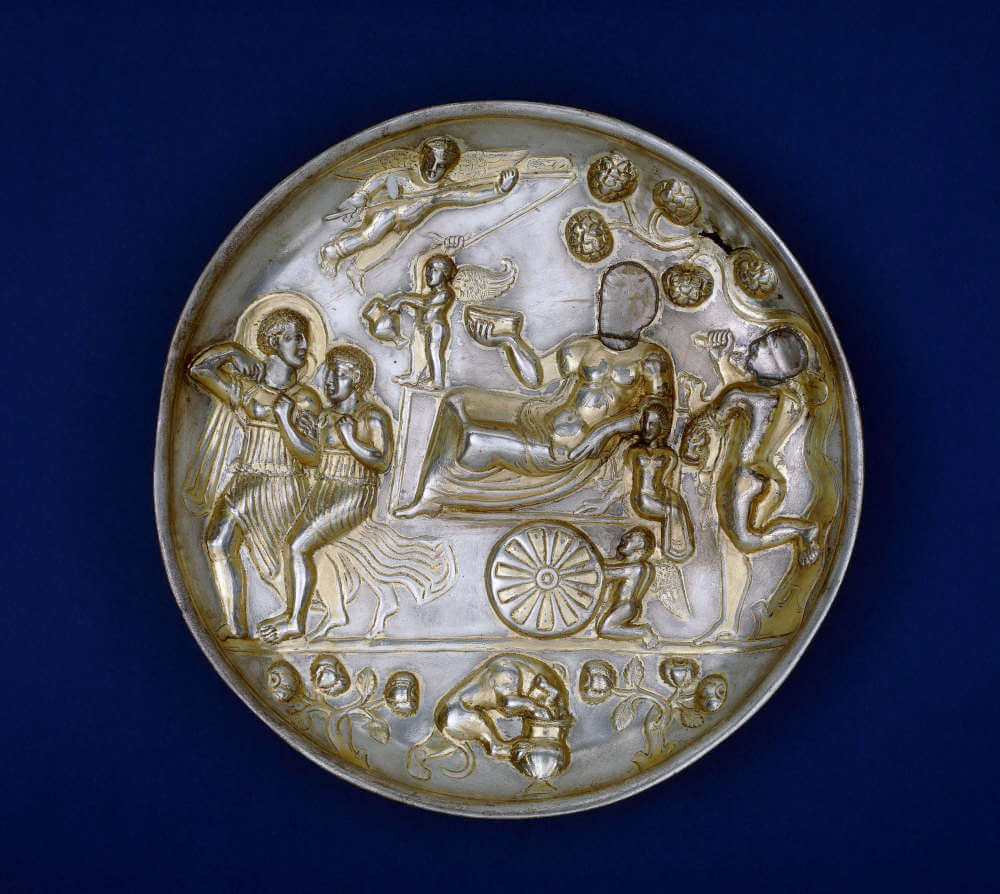
“Luxury and Power: Persia to Greece” at the British Museum
Over centuries the Persian empire and the Greeks had many conflicts. But nevertheless they influenced each other in many ways, as coins and works of art document. A major exhibition at the British Museum explores the relationship between luxury and power in this time.
Archive: Coins, Medals and more
 https://new.coinsweekly.com/wp-content/uploads/2024/06/2024KW24HA_00.jpg
684
860
Ursula Kampmann
https://new.coinsweekly.com/wp-content/uploads/2023/01/logo-coinsweekly_590x204.png
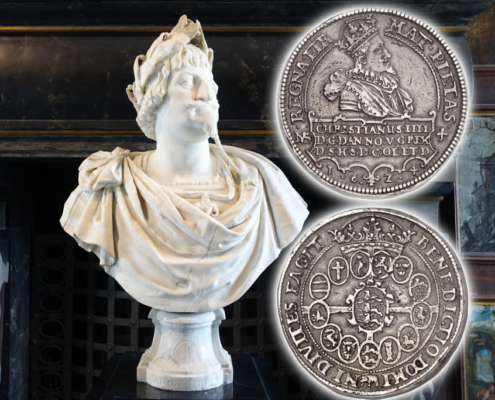
Ursula Kampmann2024-06-13 10:48:452024-06-13 11:10:58400 Years Ago – The Founding of Kongsberg
https://new.coinsweekly.com/wp-content/uploads/2024/06/2024KW24HA_00.jpg
684
860
Ursula Kampmann
https://new.coinsweekly.com/wp-content/uploads/2023/01/logo-coinsweekly_590x204.png
Ursula Kampmann2024-06-13 10:48:452024-06-13 11:10:58400 Years Ago – The Founding of Kongsberg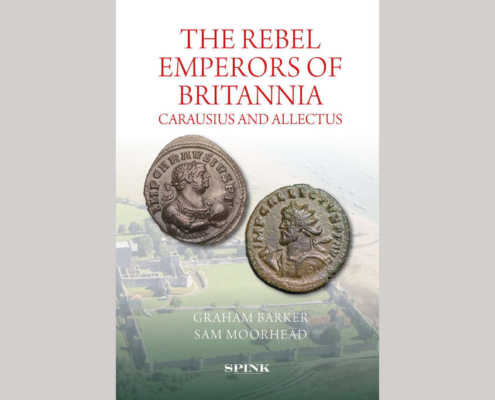 https://new.coinsweekly.com/wp-content/uploads/2023/09/2023KW39HA_00b.jpg
684
860
Ursula Kampmann
https://new.coinsweekly.com/wp-content/uploads/2023/01/logo-coinsweekly_590x204.png
Ursula Kampmann2023-09-28 08:28:482023-09-28 12:21:21Rebel Emperors of Britannia: Carausius and Allectus
https://new.coinsweekly.com/wp-content/uploads/2023/09/2023KW39HA_00b.jpg
684
860
Ursula Kampmann
https://new.coinsweekly.com/wp-content/uploads/2023/01/logo-coinsweekly_590x204.png
Ursula Kampmann2023-09-28 08:28:482023-09-28 12:21:21Rebel Emperors of Britannia: Carausius and Allectus
PMG Grading On-site Service at the HKINF
NGC Hong Kong will accept PMG on-site grading submissions and will offer free paper money evaluations at the Hong Kong International Numismatic Fair (HKINF), on December 11-13, 2023.
The Brahekyrkan Coin Hoard – A Sensational Find on Visingsö
Swedish archaeologists made a spectacular discovery on the island of Visingsö. They found 170 coins from the mid-12th century in a grave, posing a number of questions.