







Archive: People and Markets
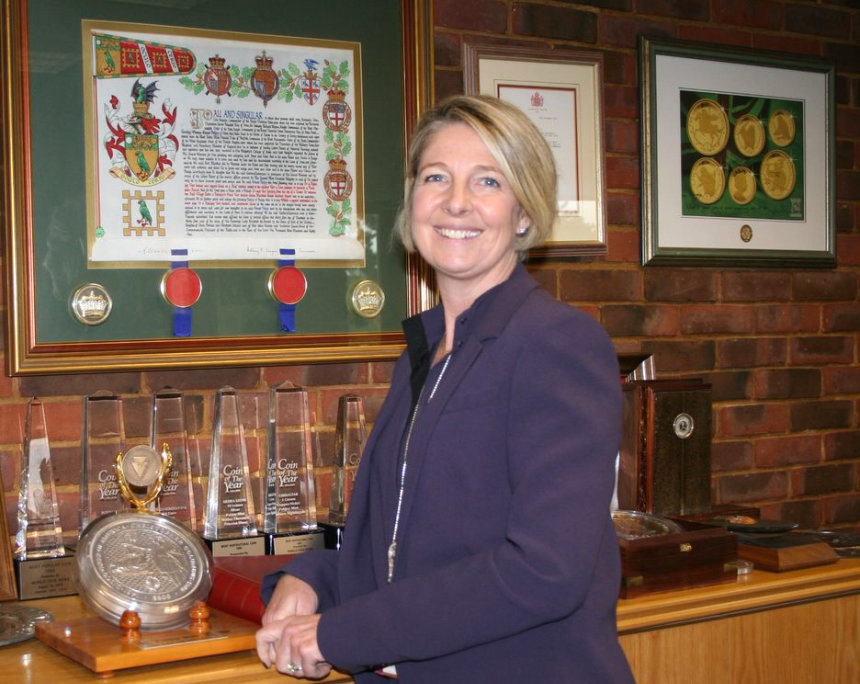
The End of Pobjoy Mint: An Interview with Taya Pobjoy
On 31 December 2023, Pobjoy Mint discontinued their operations. This marked the end of an era. In this interview, Taya Pobjoy explains why she decided to close down the mint and why she did not want to sell the company including her brand.

CIT’s Historical Monuments – The Eiffel Tower
Just in time for the 2024 Olympic Games in Paris, CIT presents an artistic monument in the form of a coin dedicated to the city’s iconic landmark. Eiffel Tower is a numismatic miniature sculpture.
Archive: Coins, Medals and more
 https://new.coinsweekly.com/wp-content/uploads/2025/03/0.jpg
684
860
Sebastian Wieschowski
https://new.coinsweekly.com/wp-content/uploads/2023/01/logo-coinsweekly_590x204.png
Sebastian Wieschowski2025-03-06 06:00:312025-03-06 14:32:55Women on Commemorative Coins: A Long Road to True Equality
https://new.coinsweekly.com/wp-content/uploads/2025/03/0.jpg
684
860
Sebastian Wieschowski
https://new.coinsweekly.com/wp-content/uploads/2023/01/logo-coinsweekly_590x204.png
Sebastian Wieschowski2025-03-06 06:00:312025-03-06 14:32:55Women on Commemorative Coins: A Long Road to True Equality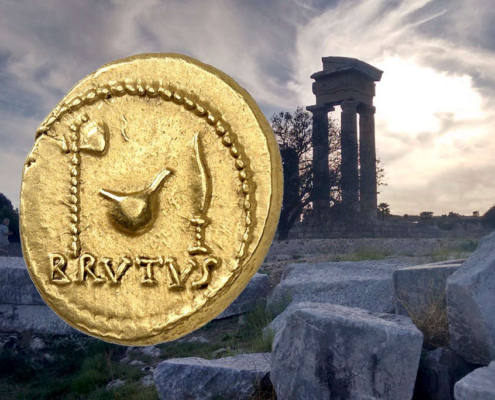 https://new.coinsweekly.com/wp-content/uploads/2024/10/2024KW40HA2_00.jpg
684
860
Bruno
https://new.coinsweekly.com/wp-content/uploads/2023/01/logo-coinsweekly_590x204.png
Bruno2024-10-02 13:24:392024-10-15 09:16:49Gold from Rhodes for the Battle for Rome
https://new.coinsweekly.com/wp-content/uploads/2024/10/2024KW40HA2_00.jpg
684
860
Bruno
https://new.coinsweekly.com/wp-content/uploads/2023/01/logo-coinsweekly_590x204.png
Bruno2024-10-02 13:24:392024-10-15 09:16:49Gold from Rhodes for the Battle for Rome
Further Recoveries of British Museum Objects
The British Museum has announced the return of a further 268 missing objects, taking the total number of recovered items to 626. The museum also confirmed that it is currently working on new leads for around 100 additional objects.
Medieval Coin Hoard Found in the Black Forest
In Southwest Germany, a significant medieval coin hoard was recently discovered, consisting of ca. 1,600 coins from the period around 1320 AD. The coin hoard is said to be the largest one found in South Baden in 75 years.