







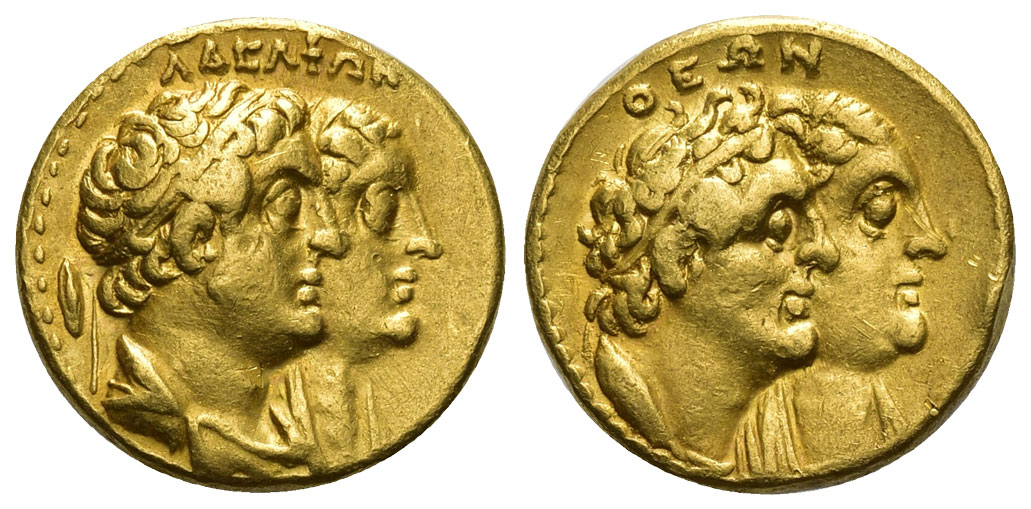
AV Tetradrachm (282–272 BC),
King Ptolemy II and Queen Arsinoe II.
From the major collection of Alexandria mint.
Condition: vf+
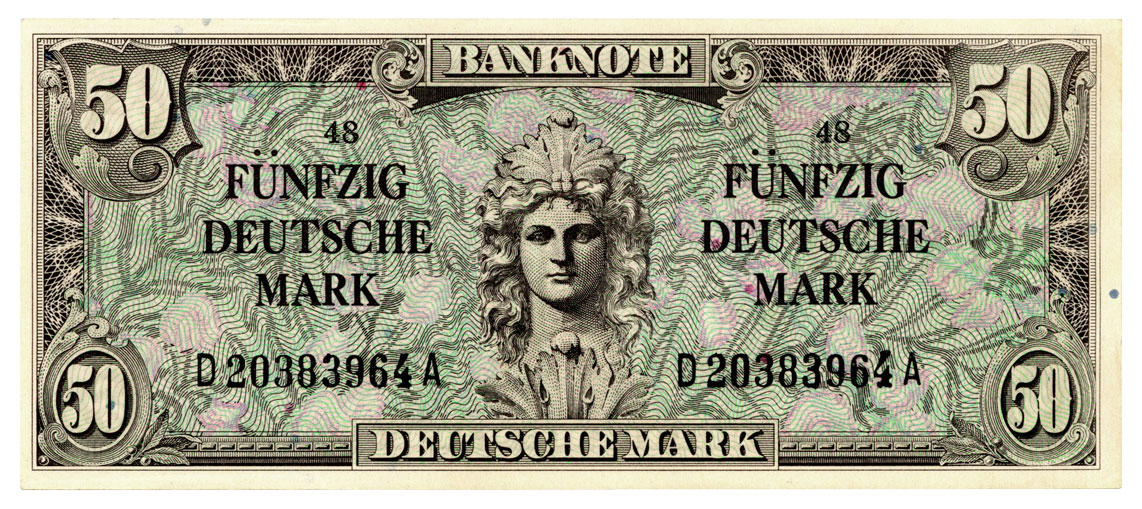
50 Deutsche Mark o.D. ( 1948-1949) "Liberty".
Condition: extremly rare, I
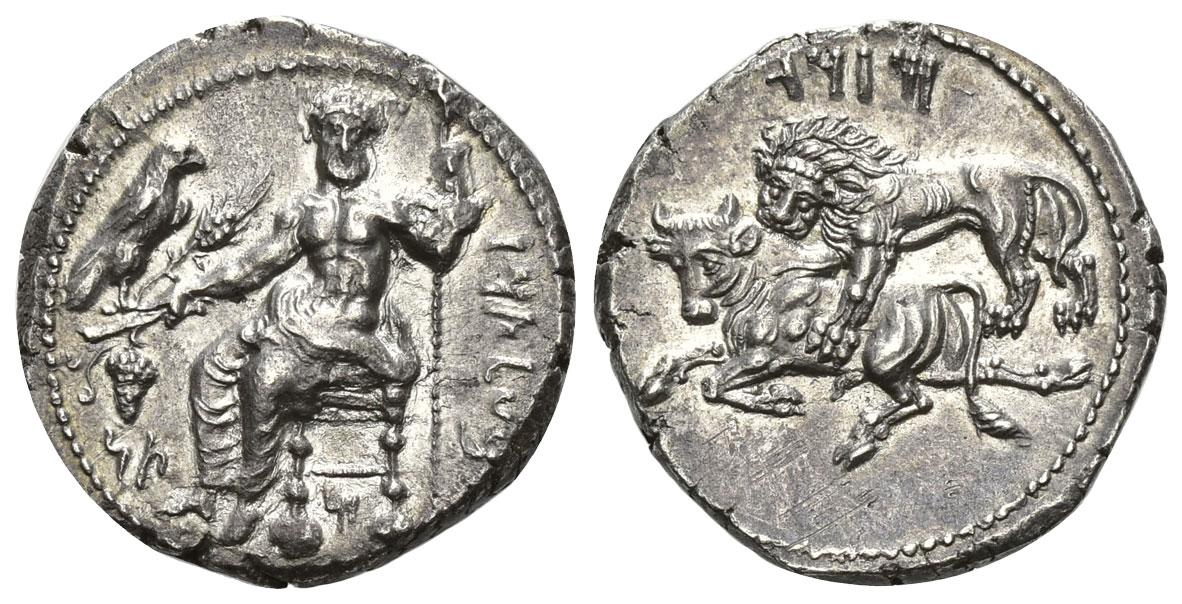
AR Stater (361-334 BC).
Obv. Baal of Tarsos.
Conditon: ef
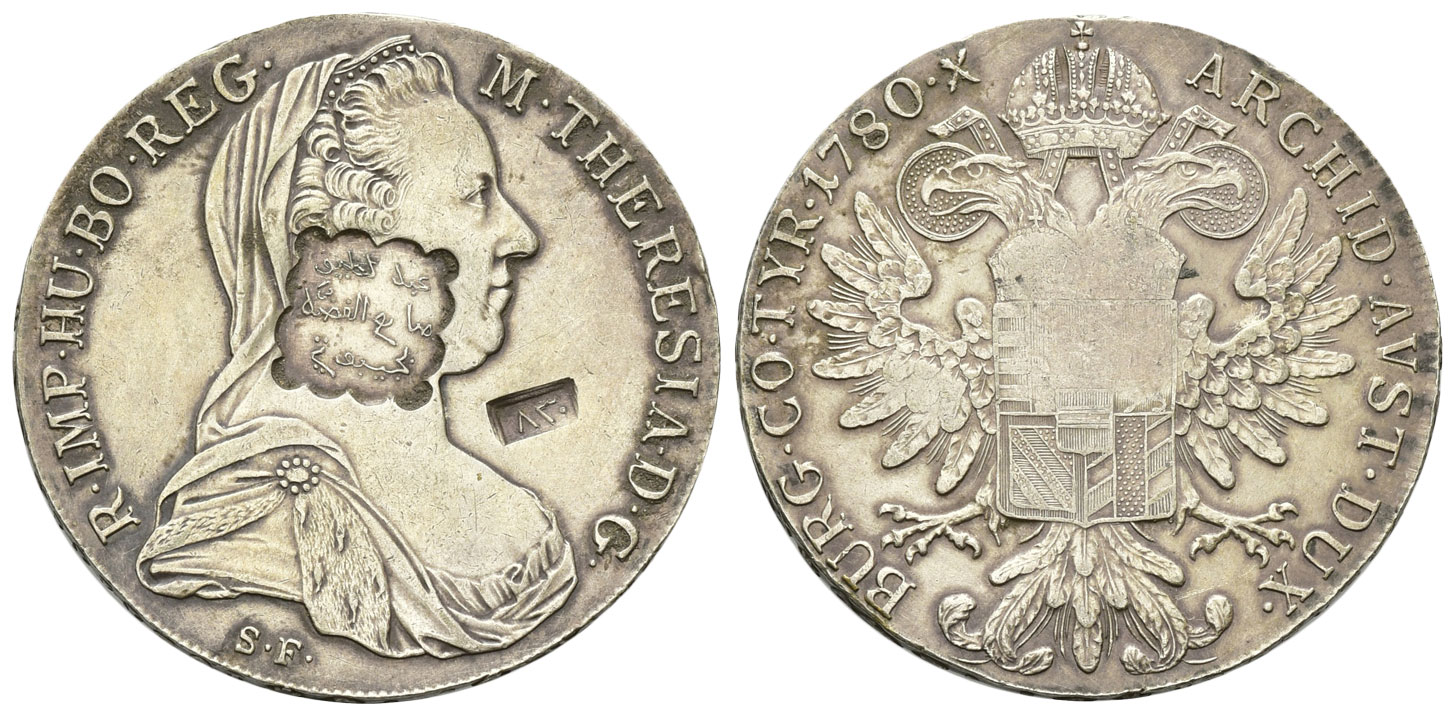
Taler 1780 SF
with counter stamp Djibouti (1870-1900).
Condition: vf
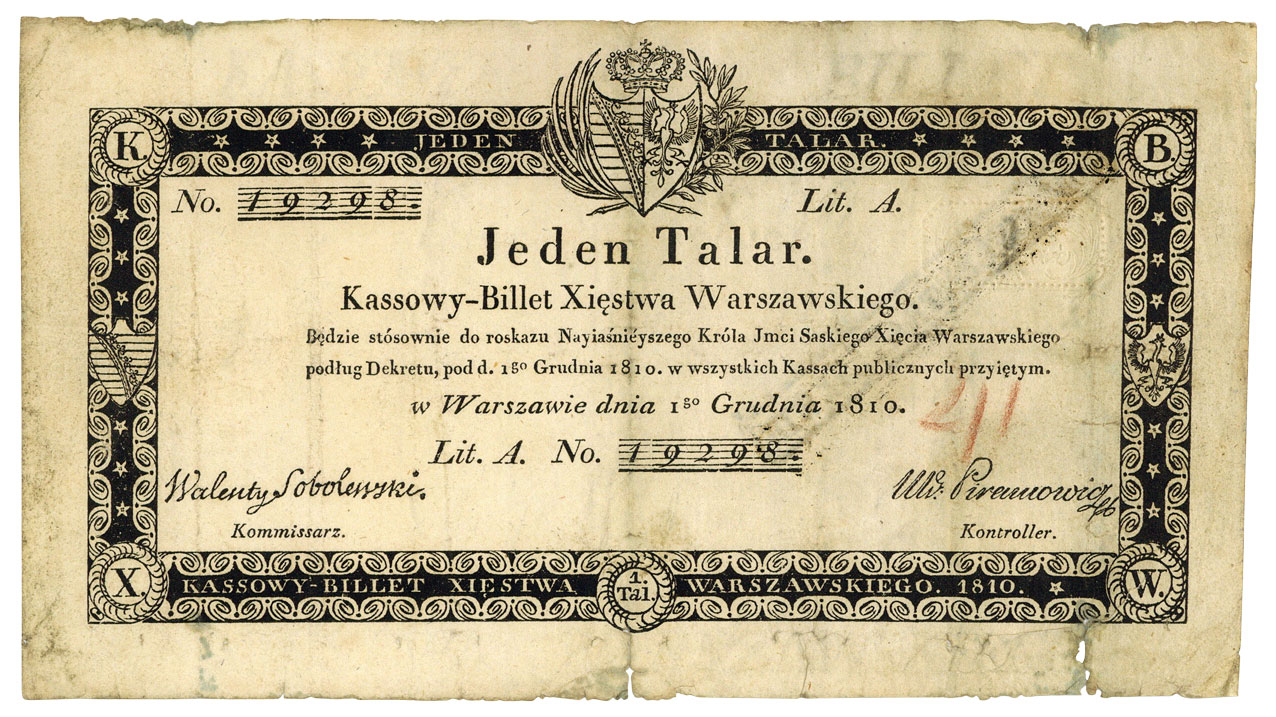
1 Talar 1. December 1810.
Condition: III-IV
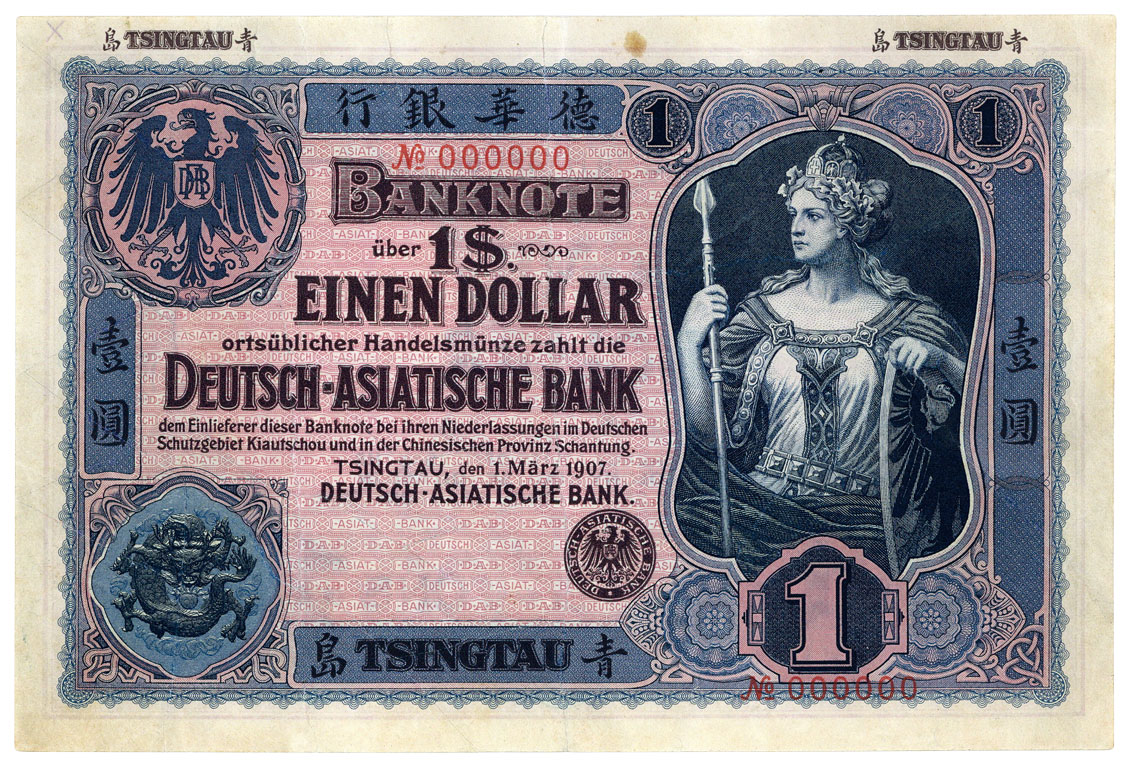
1 Dollar 1.3.1907, Tsingtao.
Condition: very rare, restored
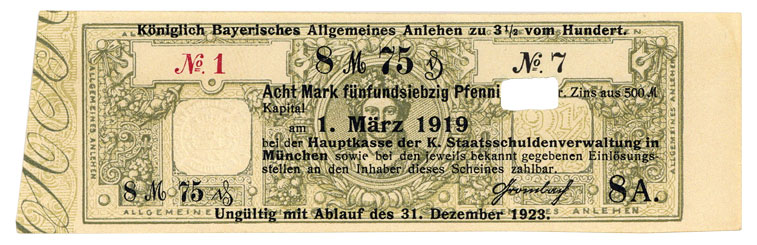
Royal Bavarian General Loan.
8.75 Marks, March 1, 1919.
Condition: rare, I
Archive: People and Markets

Reischauer Becomes Part of the Heimerle + Meule Group
With the acquisition of Reischauer GmbH, the Heimerle + Meule Group is expanding its already strong position in the European precious metals market. In the previous year, Heimerle + Meule was already able to substantially enlarge its expertise in precious metal coins and medals by acquiring a majority stake in the Commonwealth Mint.
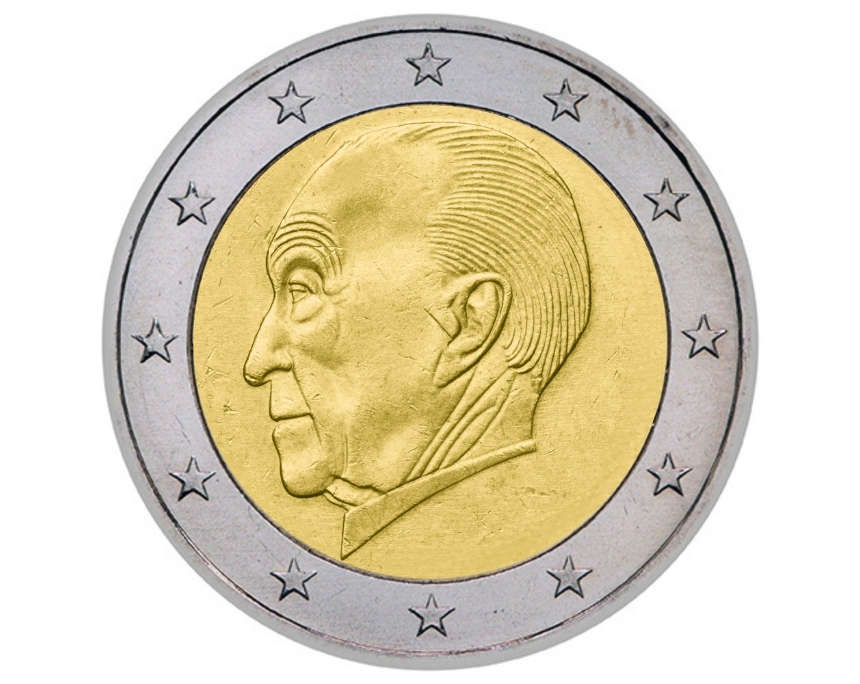
German Coins in 2026: Two New Series and a Familiar Face
The Federal Ministry of Finance has published the coin programme for 2026. Collectors can look forward to a total of twelve coin issues covering a wide thematic spectrum.
Archive: Coins, Medals and more
 https://new.coinsweekly.com/wp-content/uploads/2025/02/2025KW06HA_00.jpg
684
860
Lucie Loechel
https://new.coinsweekly.com/wp-content/uploads/2023/01/logo-coinsweekly_590x204.png
Lucie Loechel2025-02-06 07:00:302025-02-06 15:38:12Coins on Coins: When Numismatic Legends Are Reborn
https://new.coinsweekly.com/wp-content/uploads/2025/02/2025KW06HA_00.jpg
684
860
Lucie Loechel
https://new.coinsweekly.com/wp-content/uploads/2023/01/logo-coinsweekly_590x204.png
Lucie Loechel2025-02-06 07:00:302025-02-06 15:38:12Coins on Coins: When Numismatic Legends Are Reborn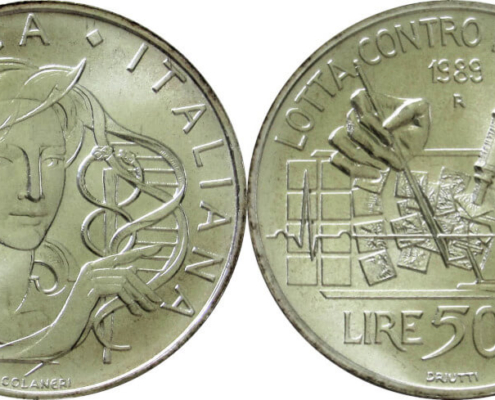 https://new.coinsweekly.com/wp-content/uploads/2023/06/00-6.jpg
489
1001
Bruno
https://new.coinsweekly.com/wp-content/uploads/2023/01/logo-coinsweekly_590x204.png
Bruno2022-06-13 12:59:122023-07-03 13:07:57Numismatic Issues Concerning Health, Medicine and Women in Times of Covid, Part 3: Personifications of Health and Medicine
https://new.coinsweekly.com/wp-content/uploads/2023/06/00-6.jpg
489
1001
Bruno
https://new.coinsweekly.com/wp-content/uploads/2023/01/logo-coinsweekly_590x204.png
Bruno2022-06-13 12:59:122023-07-03 13:07:57Numismatic Issues Concerning Health, Medicine and Women in Times of Covid, Part 3: Personifications of Health and Medicine
Royal Mint Discontinues Rose Gold Alloy for Sovereign Coins
The Royal Mint has unveiled the Sovereign collection for 2025, alongside a major announcement regarding the coin’s future composition.
CIT’ Numismatic Icons – Leon
CIT is releasing the sixth issue in its successful Numismatic Icons series. It reinterprets the early tetradrachms of the Sicilian city of Leontinoi. The impressive motif of a lion’s head – ‘leon’ in Greek – has always made these coins unique.