







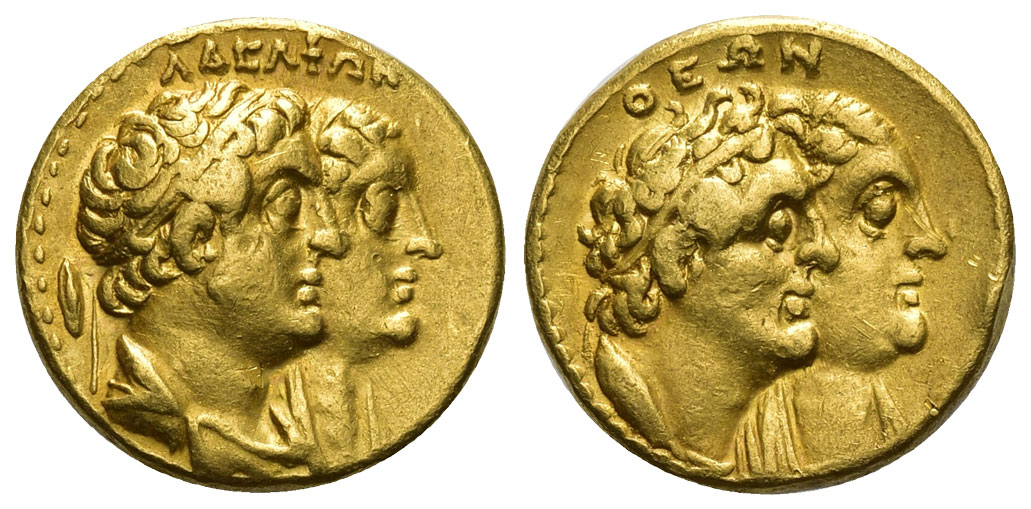
AV Tetradrachm (282–272 BC),
King Ptolemy II and Queen Arsinoe II.
From the major collection of Alexandria mint.
Condition: vf+
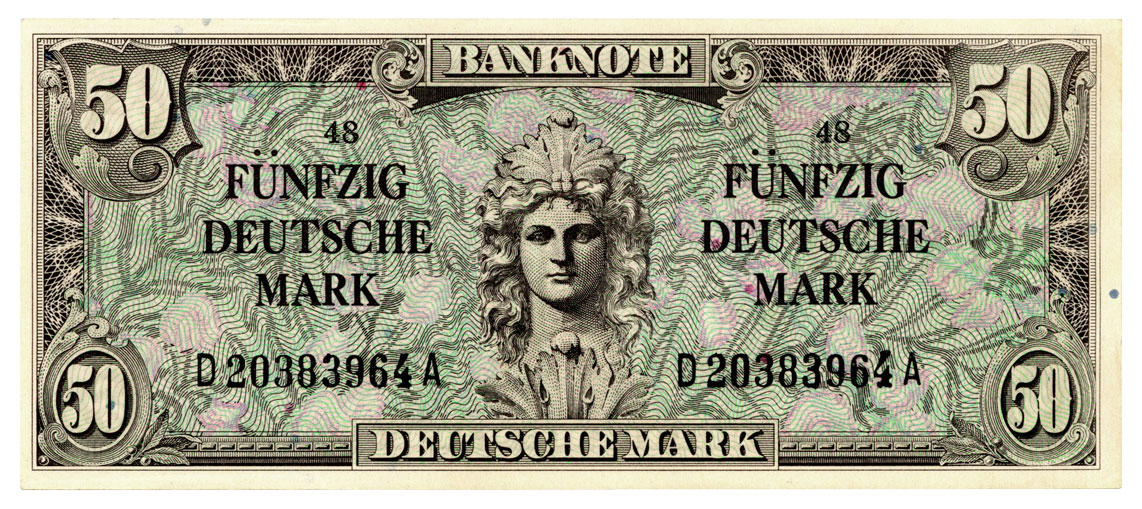
50 Deutsche Mark o.D. ( 1948-1949) "Liberty".
Condition: extremly rare, I
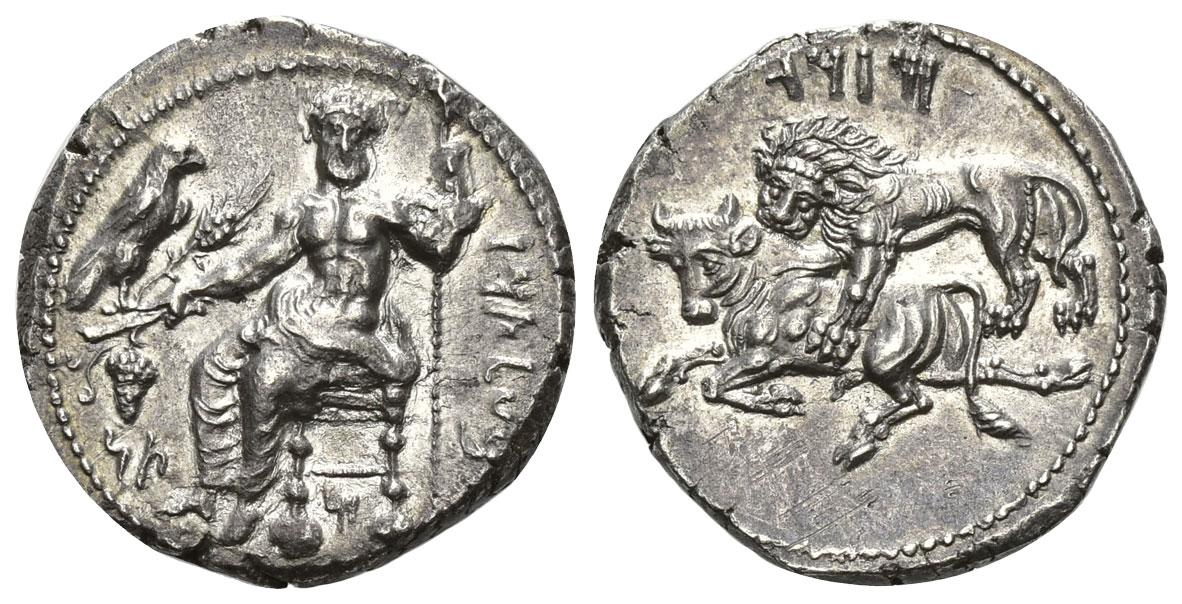
AR Stater (361-334 BC).
Obv. Baal of Tarsos.
Conditon: ef
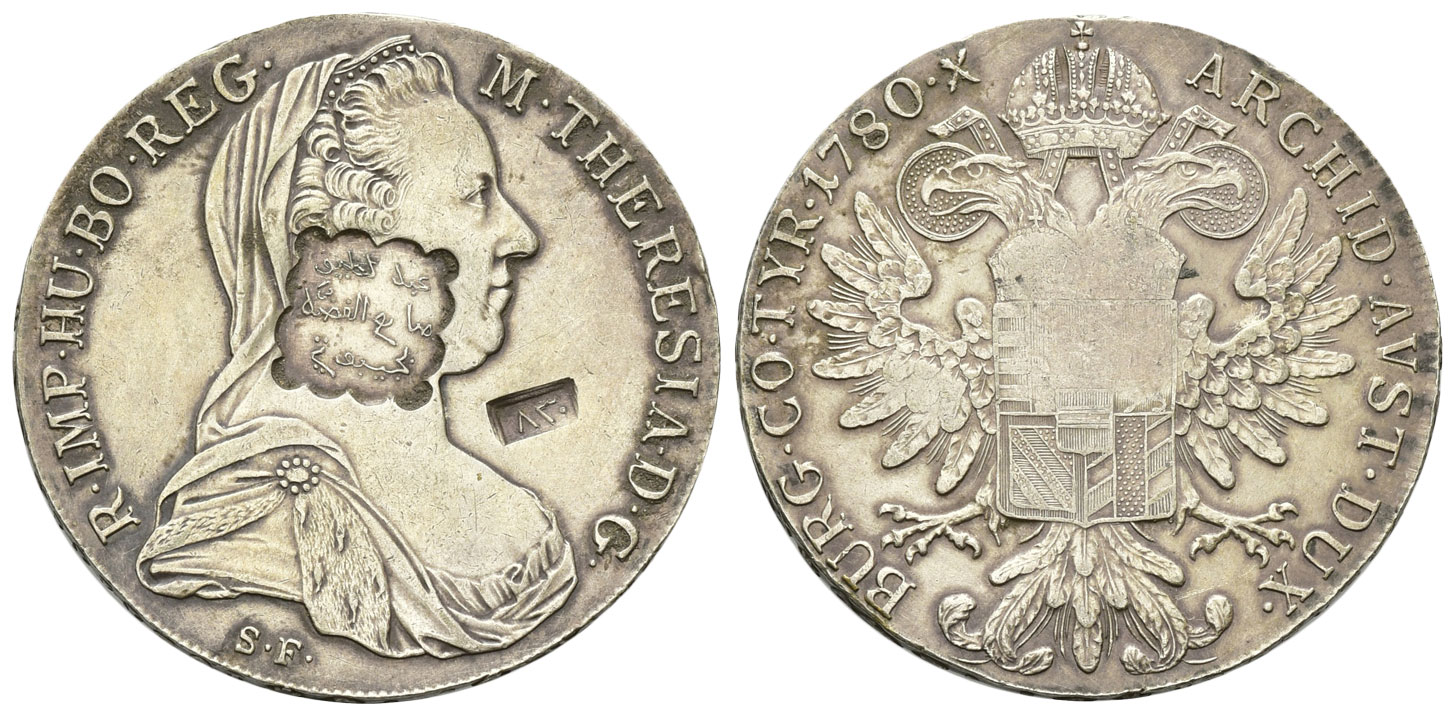
Taler 1780 SF
with counter stamp Djibouti (1870-1900).
Condition: vf
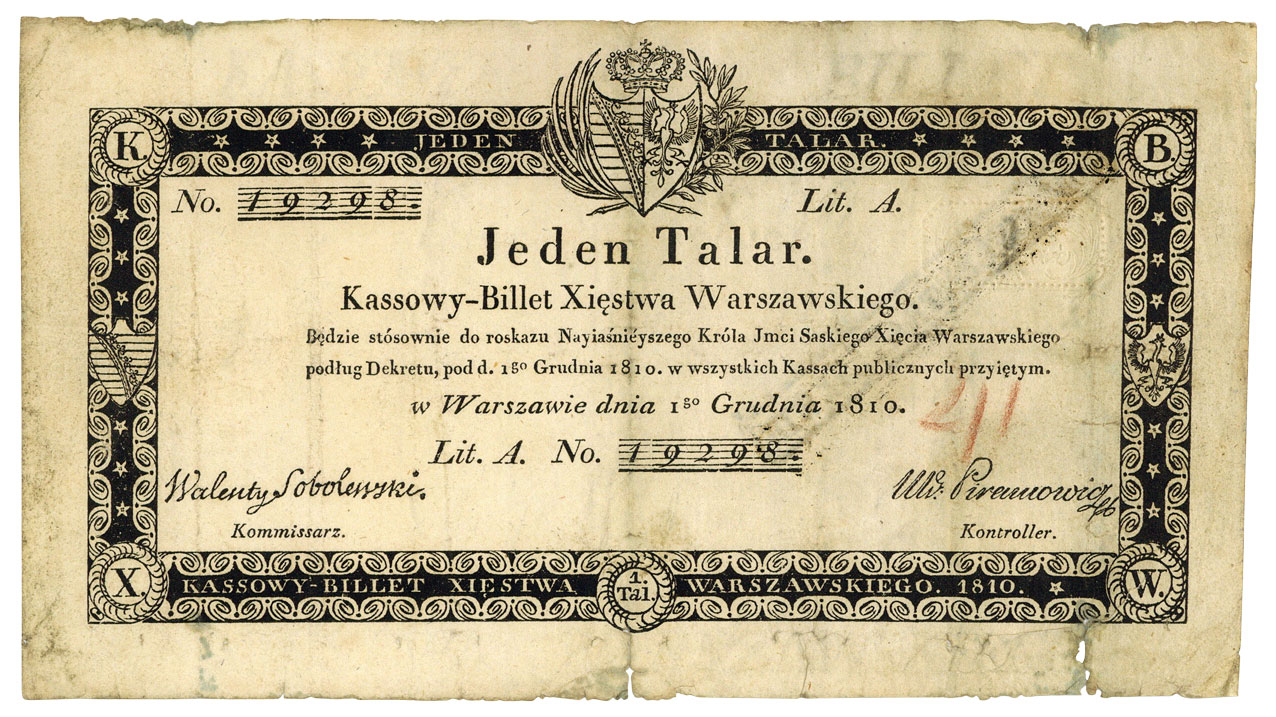
1 Talar 1. December 1810.
Condition: III-IV
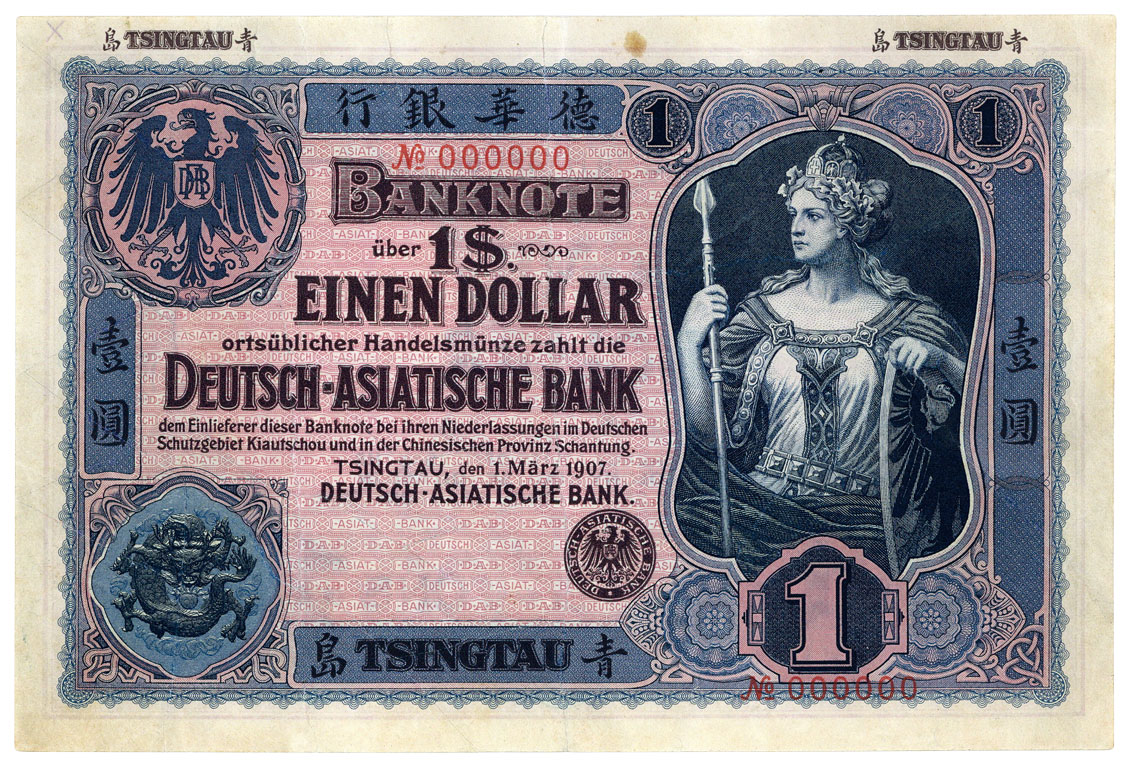
1 Dollar 1.3.1907, Tsingtao.
Condition: very rare, restored
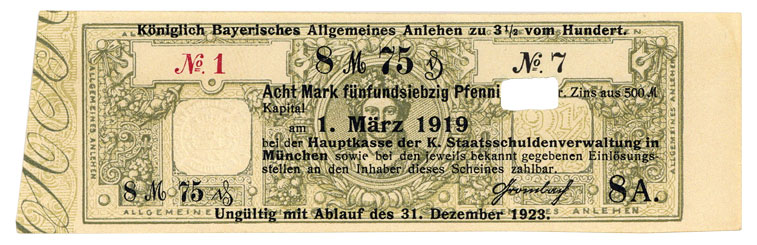
Royal Bavarian General Loan.
8.75 Marks, March 1, 1919.
Condition: rare, I
Archive: People and Markets

PMG Grading On-site in Munich and at MIF Maastricht
In September 2023, Collectors and dealers can submit banknotes at the PMG Munich office or at PMG’s booth at the MIF show for on-site grading.
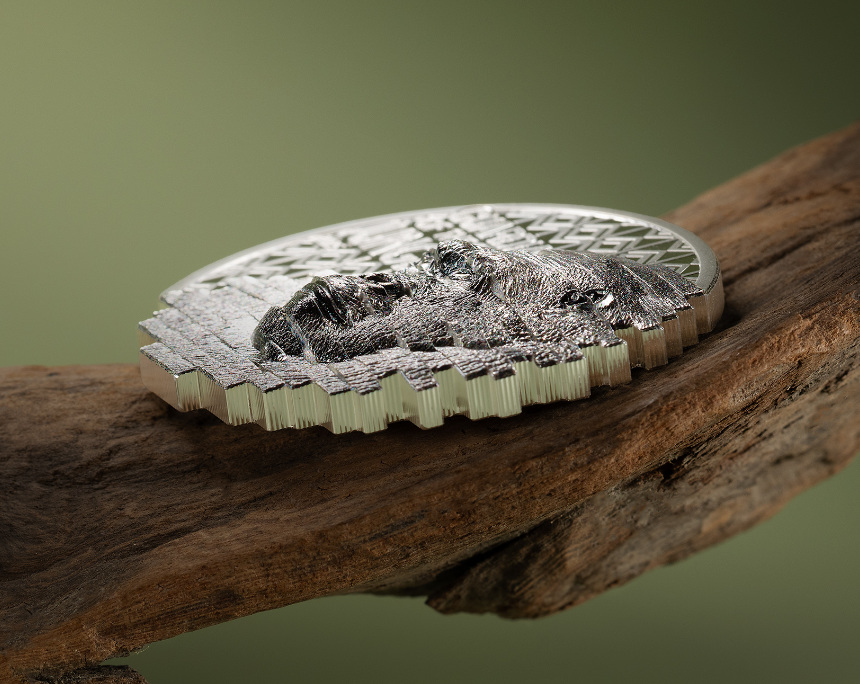
CIT’s Reconstruction – Gorilla
The “Reconstruction” series by CIT will amaze connoisseurs and lovers of innovative minting technology alike. This year will see the release of the second issue in of the series: “Gorilla – Guardian of the Jungle”.
Archive: Coins, Medals and more
 https://new.coinsweekly.com/wp-content/uploads/2023/06/00-7.jpg
496
500
Bruno
https://new.coinsweekly.com/wp-content/uploads/2023/01/logo-coinsweekly_590x204.png
Bruno2022-06-13 12:00:272023-07-03 14:53:25State-of-the-Art Minting Technology
https://new.coinsweekly.com/wp-content/uploads/2023/06/00-7.jpg
496
500
Bruno
https://new.coinsweekly.com/wp-content/uploads/2023/01/logo-coinsweekly_590x204.png
Bruno2022-06-13 12:00:272023-07-03 14:53:25State-of-the-Art Minting Technology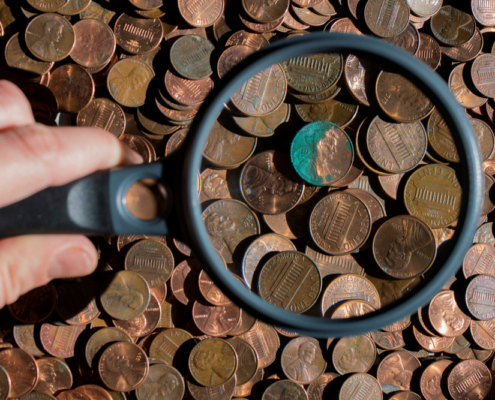 https://new.coinsweekly.com/wp-content/uploads/2023/06/00_shutterstock_774584251.jpg
667
1000
Bruno
https://new.coinsweekly.com/wp-content/uploads/2023/01/logo-coinsweekly_590x204.png
Bruno2022-06-13 13:25:492023-06-27 11:27:36Cleaning, Patina, Verdigris etc.: Which Errors Affect the Price of a Coin? – Part 2
https://new.coinsweekly.com/wp-content/uploads/2023/06/00_shutterstock_774584251.jpg
667
1000
Bruno
https://new.coinsweekly.com/wp-content/uploads/2023/01/logo-coinsweekly_590x204.png
Bruno2022-06-13 13:25:492023-06-27 11:27:36Cleaning, Patina, Verdigris etc.: Which Errors Affect the Price of a Coin? – Part 2
Coin Shop Looted in Michigan
The Numismatic Crime Information Center notifies the numismatic community about a burglary at a coin shop in South Eastern Michigan on 16 December.
The Naseby Cup – Coins and Medals of the English Civil War
The Naseby Cup is a Victorian vessel of extraordinary numismatic importance, as many incredibly rare coins from the English Civil war are integrated into it. A publication on the cup and its coins will soon be available.