







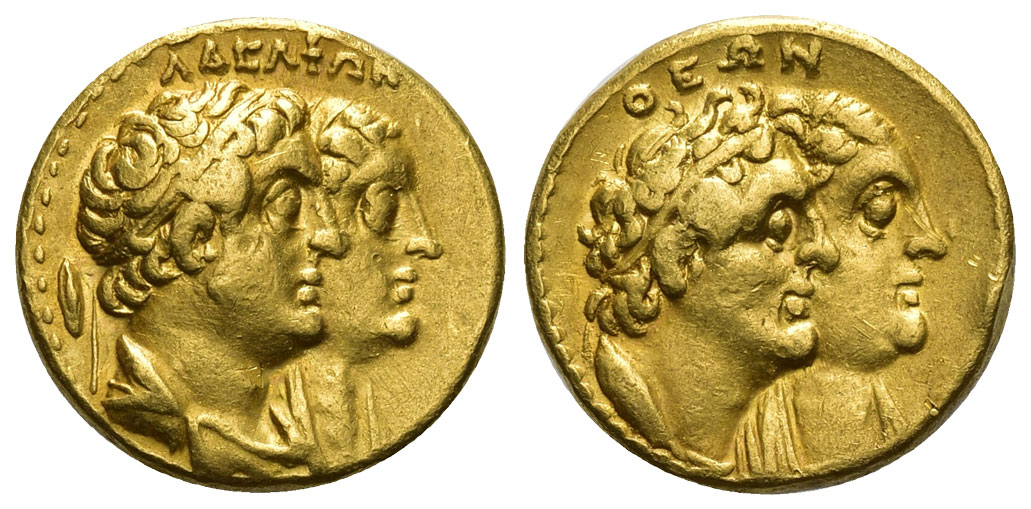
AV Tetradrachm (282–272 BC),
King Ptolemy II and Queen Arsinoe II.
From the major collection of Alexandria mint.
Condition: vf+
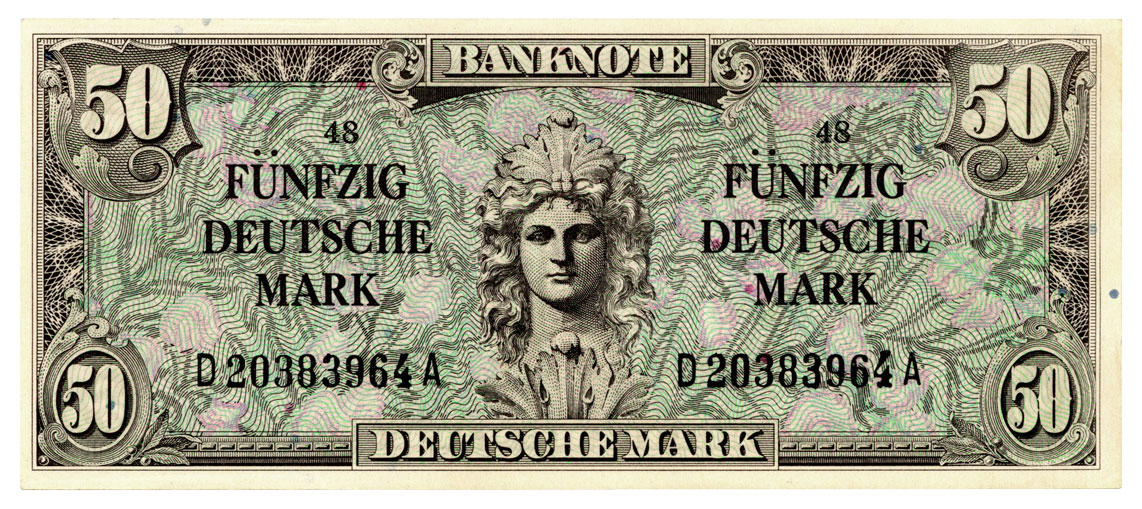
50 Deutsche Mark o.D. ( 1948-1949) "Liberty".
Condition: extremly rare, I
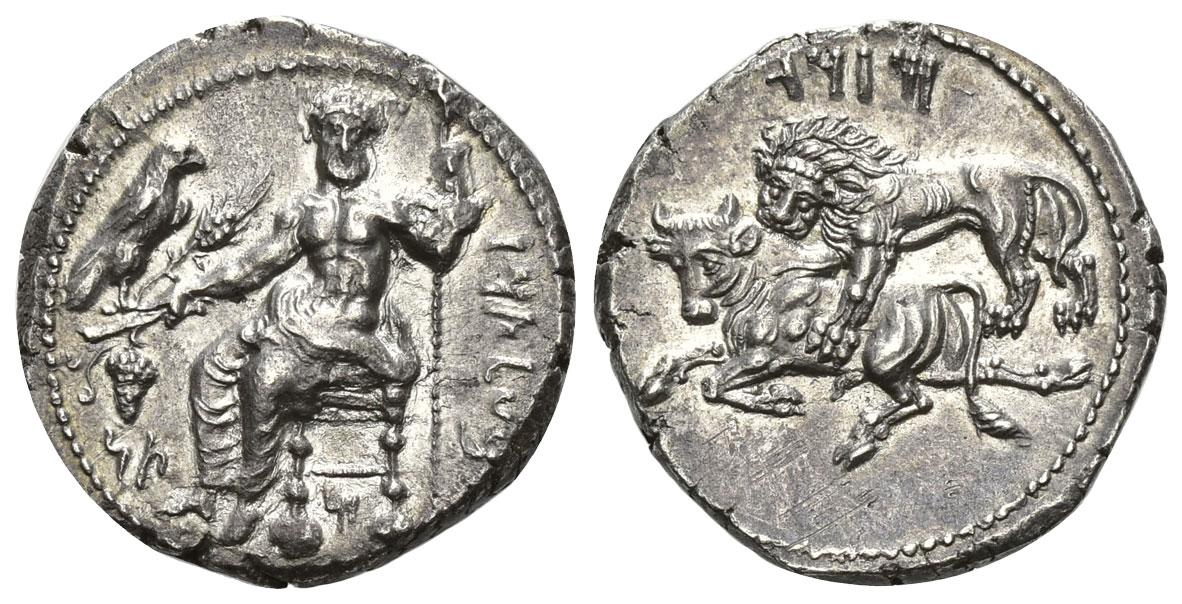
AR Stater (361-334 BC).
Obv. Baal of Tarsos.
Conditon: ef
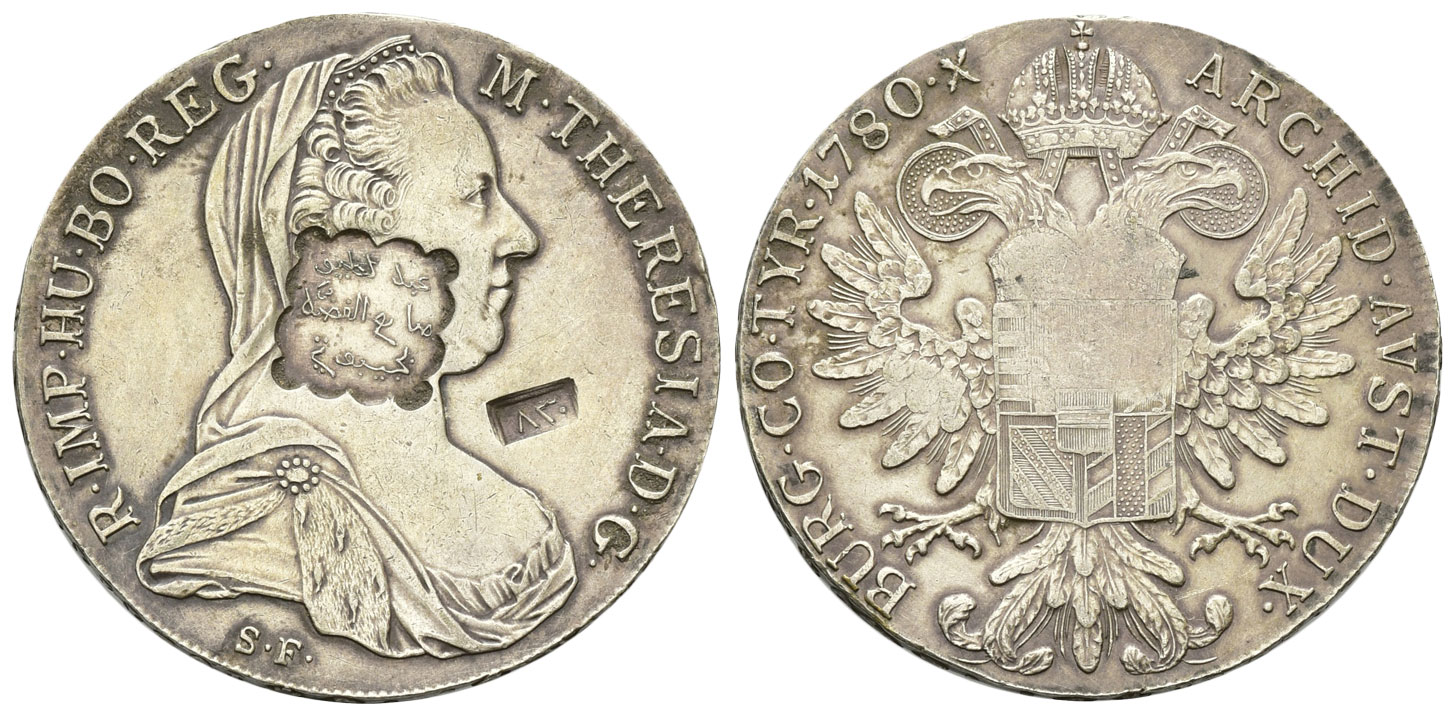
Taler 1780 SF
with counter stamp Djibouti (1870-1900).
Condition: vf
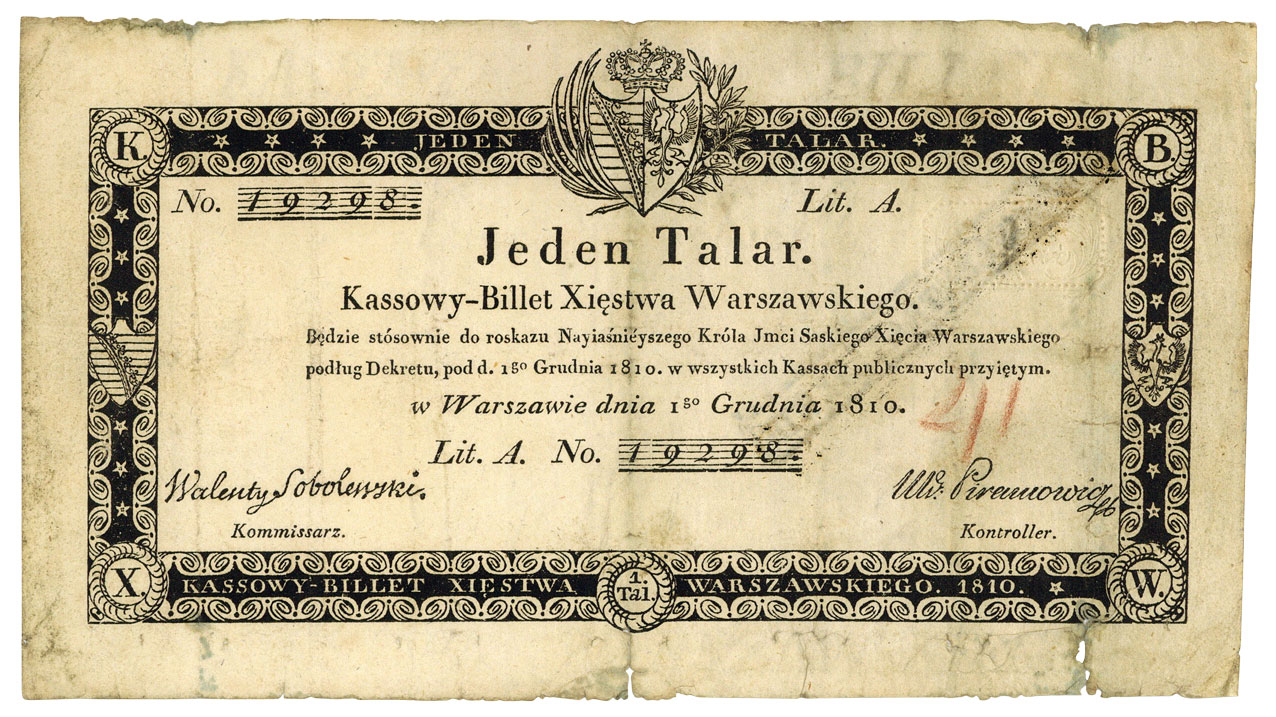
1 Talar 1. December 1810.
Condition: III-IV
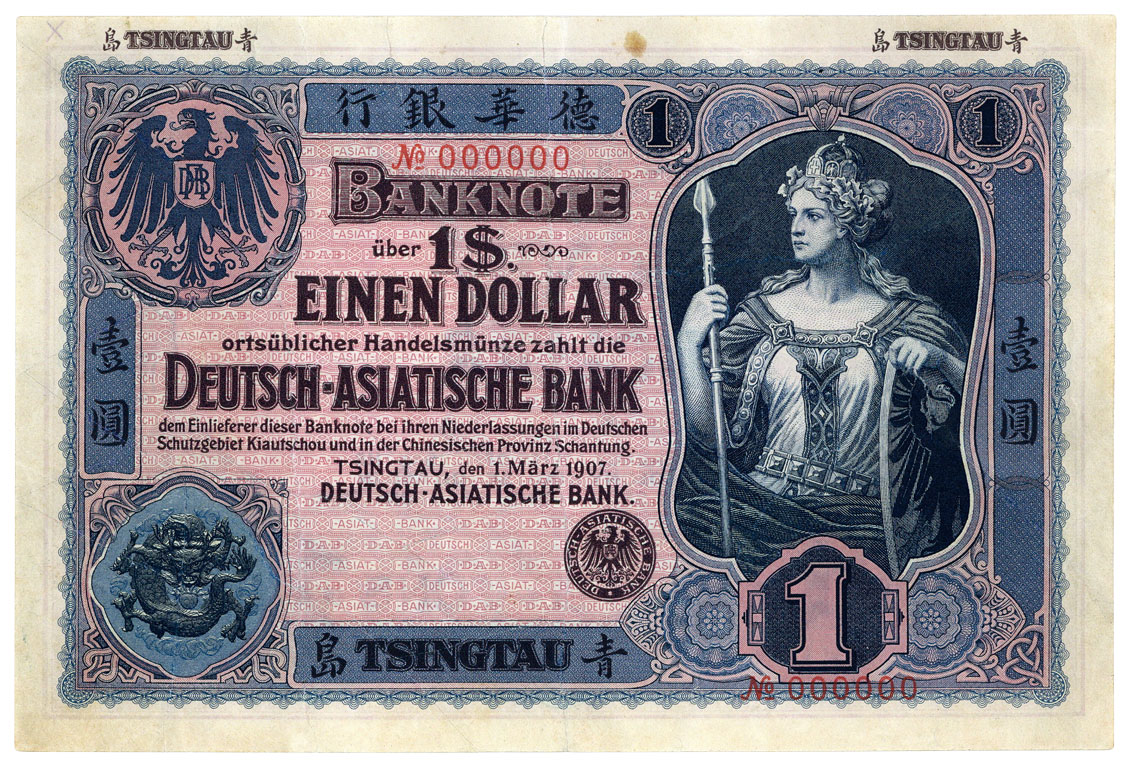
1 Dollar 1.3.1907, Tsingtao.
Condition: very rare, restored
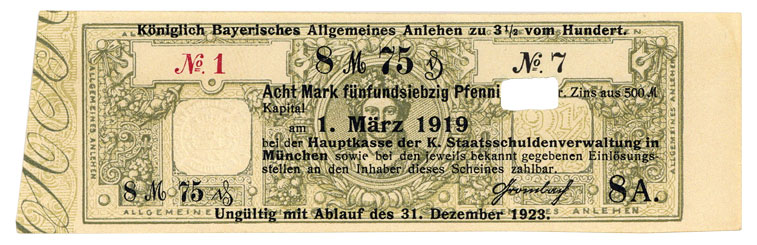
Royal Bavarian General Loan.
8.75 Marks, March 1, 1919.
Condition: rare, I
Archive: People and Markets
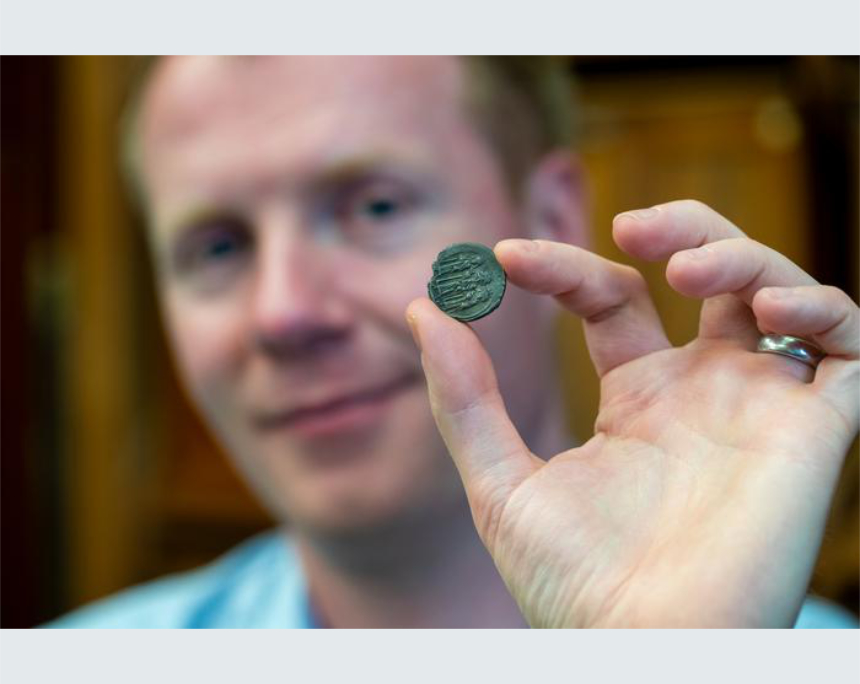
Where Did Silver Come from in Early Medieval Europe?
In the mid-7th century, a veritable silver coin boom set off in the North Sea Region. So far, the question of where the silver for the coins came from was up for speculation. A new study provides concrete results.
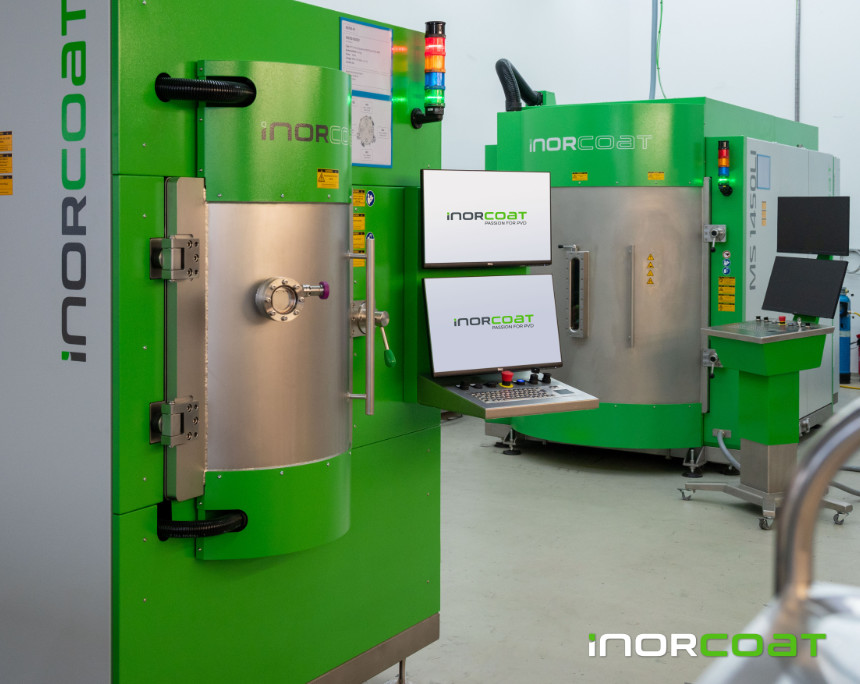
INORCOAT: How to Make Minting More Sustainable
Are you annoyed by all the laws that make our lives more difficult but have no positive effect? Here’s an example of a law that actually makes sense: the planned ban on chromium (VI) electroplating is helping an innovative technology to make a breakthrough – and this development brings decisive advantages for the minting industry. Romain Waidelich of INORCOAT takes us behind the scenes.
Archive: Coins, Medals and more
 https://new.coinsweekly.com/wp-content/uploads/2024/12/2024KW49HA_00-1.jpg
684
860
Lucie Loechel
https://new.coinsweekly.com/wp-content/uploads/2023/01/logo-coinsweekly_590x204.png
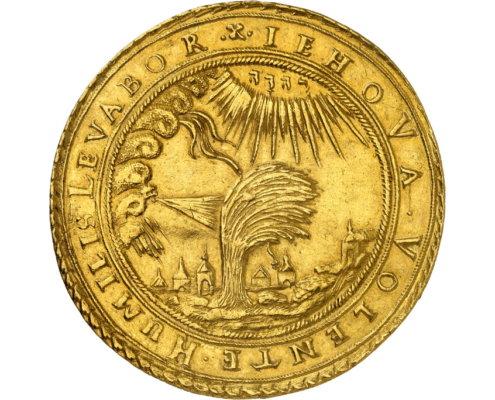
Lucie Loechel2024-12-12 09:49:262024-12-12 10:13:15The Bending Willow Tree
https://new.coinsweekly.com/wp-content/uploads/2024/12/2024KW49HA_00-1.jpg
684
860
Lucie Loechel
https://new.coinsweekly.com/wp-content/uploads/2023/01/logo-coinsweekly_590x204.png
Lucie Loechel2024-12-12 09:49:262024-12-12 10:13:15The Bending Willow Tree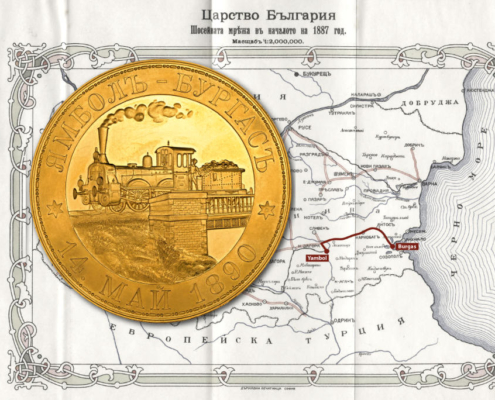 https://new.coinsweekly.com/wp-content/uploads/2023/10/2023KW43HA_00.jpg
684
860
Ursula Kampmann
https://new.coinsweekly.com/wp-content/uploads/2023/01/logo-coinsweekly_590x204.png
Ursula Kampmann2023-10-26 09:05:112023-10-26 11:52:11Bulgaria, Prince Ferdinand I and the Railroad
https://new.coinsweekly.com/wp-content/uploads/2023/10/2023KW43HA_00.jpg
684
860
Ursula Kampmann
https://new.coinsweekly.com/wp-content/uploads/2023/01/logo-coinsweekly_590x204.png
Ursula Kampmann2023-10-26 09:05:112023-10-26 11:52:11Bulgaria, Prince Ferdinand I and the Railroad
Tokyo Sets New Record for Lost Cash Handed In
If you loose your cash let’s hope it happens in Tokyo. Then chances are good you get it back. Maybe in no other city in the world people hand in so much lost cash to police. There are good reasons why they do it.
Highly Rare in Circulation: 2-Euro Commemorative Coins from San Marino
San Marino’s circulation coins are rare – even in the small Republic itself. And San Marino also issued just a few 2-euro commemorative coins. A real challenge for collectors. Fortunately, numiscontrol has some tips.