








Archive: People and Markets
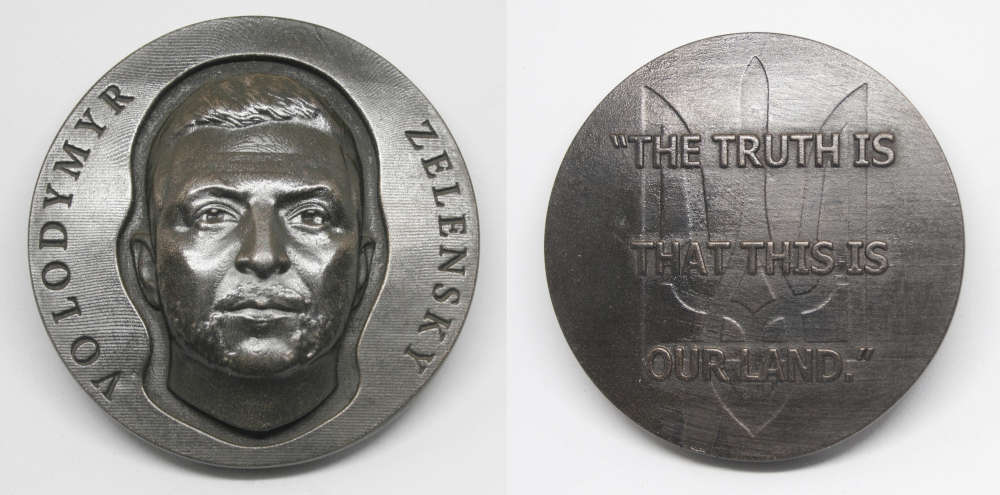
2023 American Medal of the Year Award
In 2023, the American Medal of the Year award goes to a medallist who paid tribute to Ukraine and its president. Two other medals were chosen as finalists.
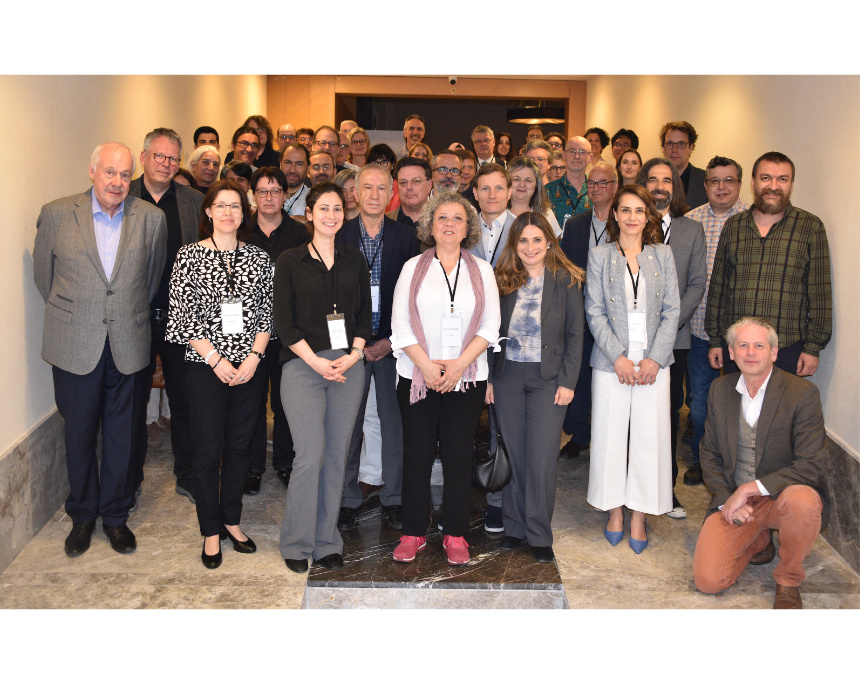
A Numismatic Congress That Will Be Remembered
The 3rd International Congress on the History of Money and Numismatics of the Research Center for Mediterranean Cultures (AKMED) took place in Antalya at the beginning of April. Prof. Johannes Nollé reports on why he believes this congress will remain unforgettable for all participants.
Archive: Coins, Medals and more
 https://new.coinsweekly.com/wp-content/uploads/2024/10/2024KW40HA1_00.jpg
684
860
Bruno
https://new.coinsweekly.com/wp-content/uploads/2023/01/logo-coinsweekly_590x204.png
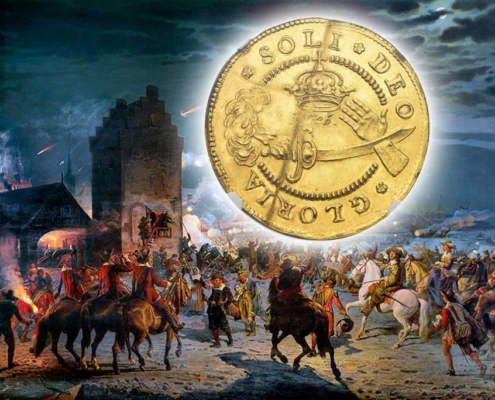
Bruno2024-10-02 13:27:042024-10-02 15:38:36Frederick III of Denmark and Eben Ezer
https://new.coinsweekly.com/wp-content/uploads/2024/10/2024KW40HA1_00.jpg
684
860
Bruno
https://new.coinsweekly.com/wp-content/uploads/2023/01/logo-coinsweekly_590x204.png
Bruno2024-10-02 13:27:042024-10-02 15:38:36Frederick III of Denmark and Eben Ezer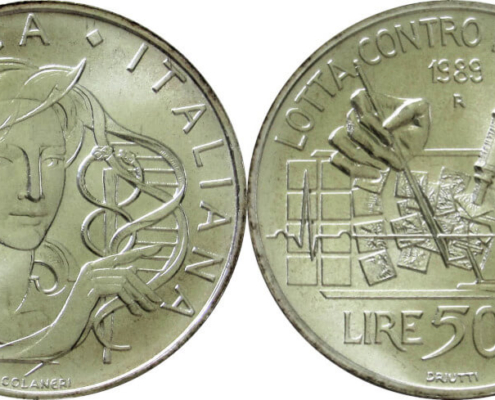 https://new.coinsweekly.com/wp-content/uploads/2023/06/00-6.jpg
489
1001
Bruno
https://new.coinsweekly.com/wp-content/uploads/2023/01/logo-coinsweekly_590x204.png
Bruno2022-06-13 12:59:122023-07-03 13:07:57Numismatic Issues Concerning Health, Medicine and Women in Times of Covid, Part 3: Personifications of Health and Medicine
https://new.coinsweekly.com/wp-content/uploads/2023/06/00-6.jpg
489
1001
Bruno
https://new.coinsweekly.com/wp-content/uploads/2023/01/logo-coinsweekly_590x204.png
Bruno2022-06-13 12:59:122023-07-03 13:07:57Numismatic Issues Concerning Health, Medicine and Women in Times of Covid, Part 3: Personifications of Health and Medicine
Royal Mint Unveil New Charles III Reverse Designs for Circulation Coinage
Coat of arms give way to flora and fauna: the Royal Mint have unveiled the new reverse designs for the circulation coinage of the United Kingdom. Learn more about the new designs here.
Ulrich Werz (1964-2023)
The numismatist Ulrich Werz died on June 14, 2023. He was known for his work on coin finds and his studies on Roman countermarks. Claire Franklin remembers him.