







Archive: People and Markets
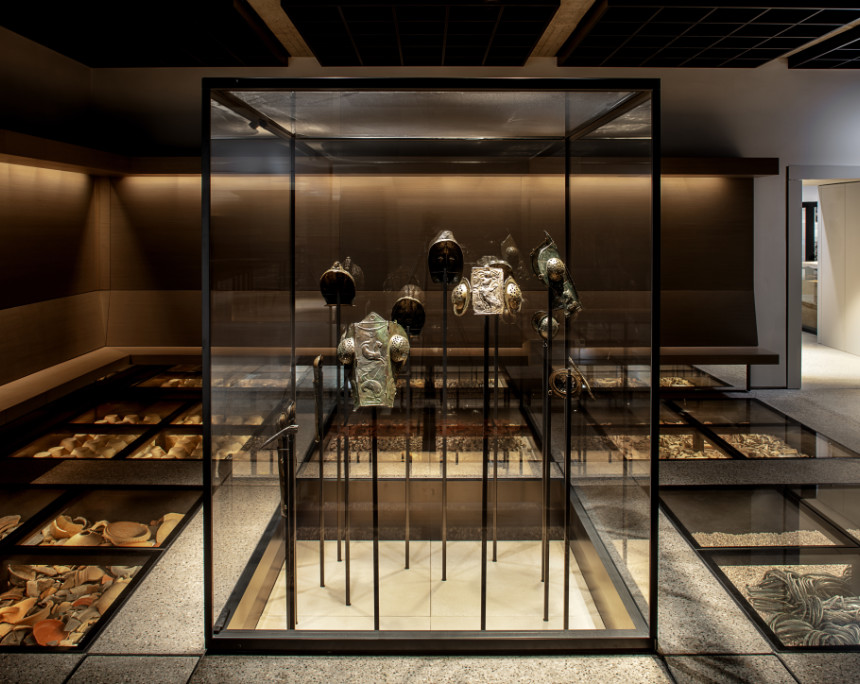
Archaeological State Collection in Munich Reopened
After eight years of renovation, the Bavarian State Archaeological Collection shines in new splendor. Since April 17, 2024, the doors are once again open to visitors from all over the world. The new exhibition rooms were planned and designed by Atelier Brückner.

Frédérique Duyrat Joins Ashmolean Museum
Frédérique Duyrat will be the new Director of Collections and Keeper of the Heberden Coin Room in Oxford. Duyrat is currently Director of the Department of Coins, Medals and Antiques at the Bibliothèque Nationale in Paris.
Archive: Coins, Medals and more
 https://new.coinsweekly.com/wp-content/uploads/2023/06/CoCo03_09.jpg
667
1000
Ursula Kampmann
https://new.coinsweekly.com/wp-content/uploads/2023/01/logo-coinsweekly_590x204.png
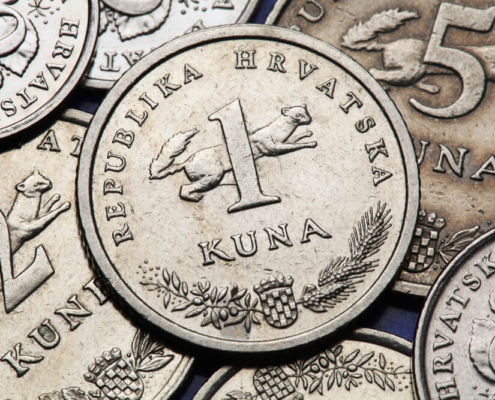
Ursula Kampmann2022-06-13 10:37:152023-06-27 10:39:21What Will Be Depicted on Croatia’s Euro Coins?
https://new.coinsweekly.com/wp-content/uploads/2023/06/CoCo03_09.jpg
667
1000
Ursula Kampmann
https://new.coinsweekly.com/wp-content/uploads/2023/01/logo-coinsweekly_590x204.png
Ursula Kampmann2022-06-13 10:37:152023-06-27 10:39:21What Will Be Depicted on Croatia’s Euro Coins?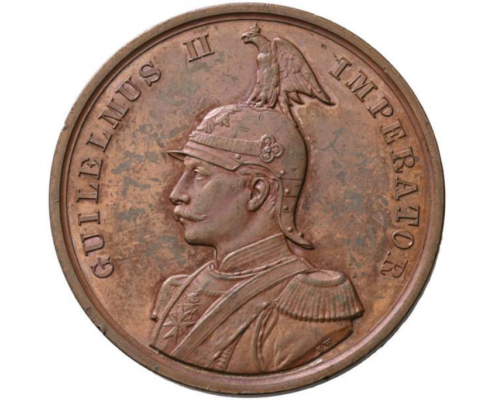 https://new.coinsweekly.com/wp-content/uploads/2025/05/2025KW19HA02_00.jpg
684
860
Lucie Loechel
https://new.coinsweekly.com/wp-content/uploads/2023/01/logo-coinsweekly_590x204.png
Lucie Loechel2025-05-08 08:00:522025-05-13 09:38:02Pattern of the First-Class Warrior Medal – A Previously Unknown Relic of German Colonial History
https://new.coinsweekly.com/wp-content/uploads/2025/05/2025KW19HA02_00.jpg
684
860
Lucie Loechel
https://new.coinsweekly.com/wp-content/uploads/2023/01/logo-coinsweekly_590x204.png
Lucie Loechel2025-05-08 08:00:522025-05-13 09:38:02Pattern of the First-Class Warrior Medal – A Previously Unknown Relic of German Colonial History
CIT’s Legends – Wild West
In 2024, CIT releases the third issue of its Legends series. Following Terracotta Warriors and Legacy of the Pharaohs, the Liechtenstein innovators now showcase one of our favorite legends: the Wild West. The issue incorporates countless details that are reminiscent of classic Hollywood western movies.
200 Years of the Bohemian Savings Bank: A Piece of Monetary History in Coin Form
In 2025, the Czech National Bank will issue a silver commemorative coin with a nominal value of 200 koruna. The coin marks the founding of the Bohemian Savings Bank.