







Archive: People and Markets
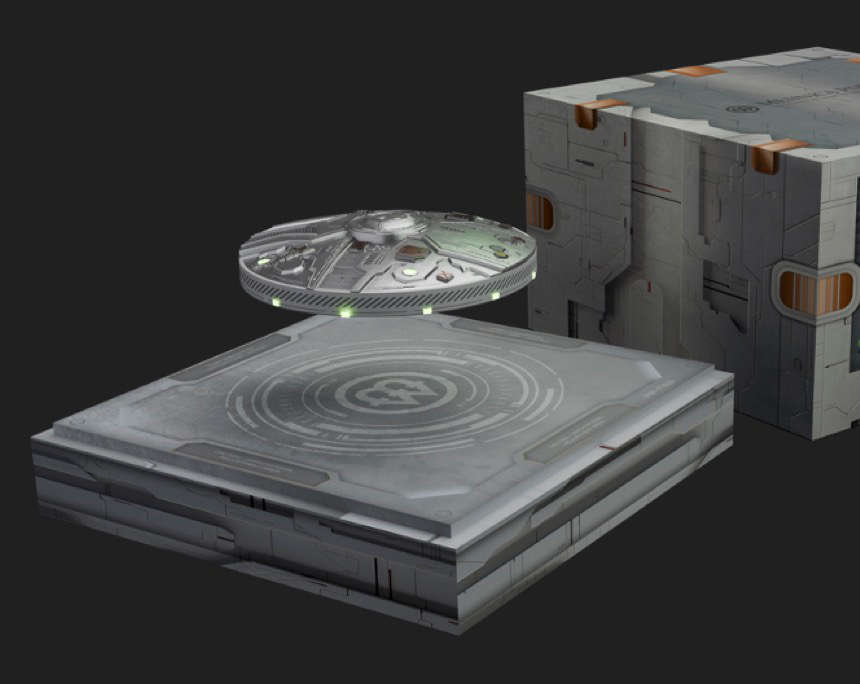
Space Premiere – Mint of Poland Created the World’s First Flying Coin
The Mint of Poland presented the UFO MP-1766 at the World Money Fair 2024, which is said to be the first flying coin in the World. The coin is lifted by an internal motor and, upon interaction with a specially designed base, it levitates due to the magnetic field generated between them.
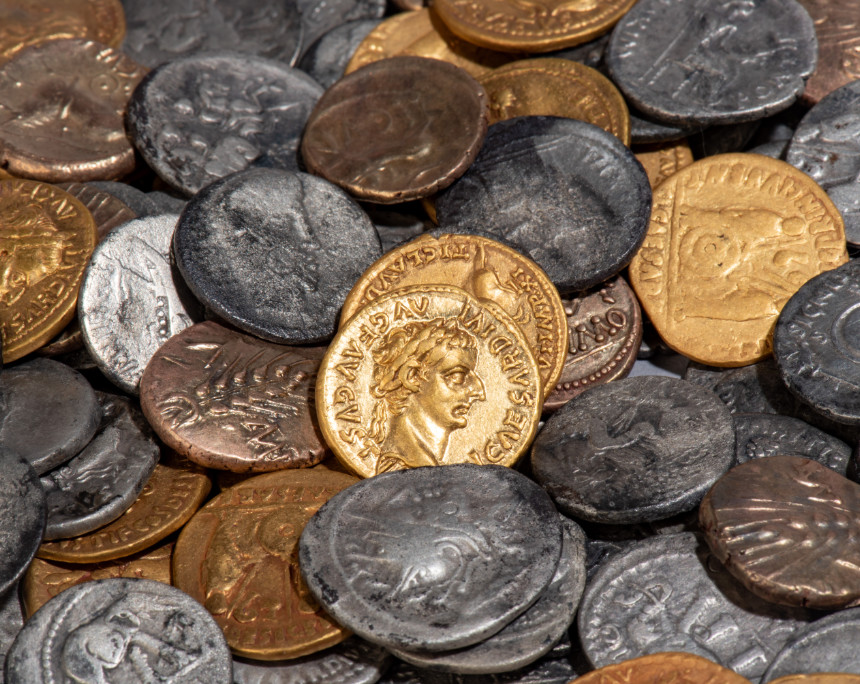
Spectacular Coin Hoard Discovered in the Province of Utrecht
A hoard of 404 coins has been unearthed in the province of Utrecht. It is probably the first find on the European mainland to include both Roman and British Celtic coins. The coin find underlines the importance of the Lower Germanic Limes for the Roman invasions of Britain.
Archive: Coins, Medals and more
 https://new.coinsweekly.com/wp-content/uploads/2025/02/2025KW07HA01_00.jpg
684
860
Lucie Loechel
https://new.coinsweekly.com/wp-content/uploads/2023/01/logo-coinsweekly_590x204.png
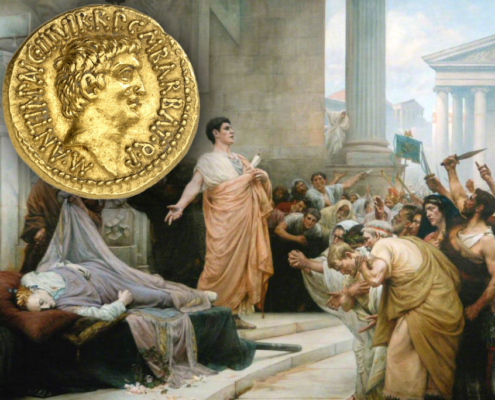
Lucie Loechel2025-02-13 09:44:362025-02-13 10:00:07Marcus Antonius: The Loser Who Did Not Write History
https://new.coinsweekly.com/wp-content/uploads/2025/02/2025KW07HA01_00.jpg
684
860
Lucie Loechel
https://new.coinsweekly.com/wp-content/uploads/2023/01/logo-coinsweekly_590x204.png
Lucie Loechel2025-02-13 09:44:362025-02-13 10:00:07Marcus Antonius: The Loser Who Did Not Write History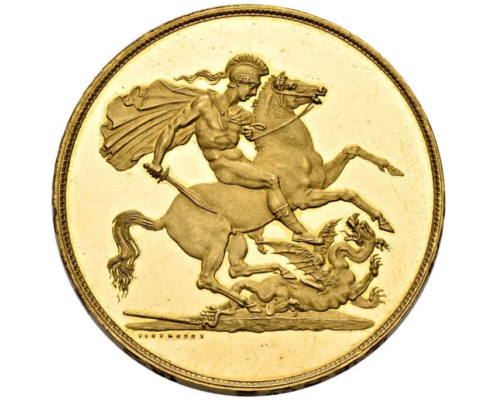 https://new.coinsweekly.com/wp-content/uploads/2023/05/00HASinconaProbe1820.jpg
684
860
Ursula Kampmann
https://new.coinsweekly.com/wp-content/uploads/2023/01/logo-coinsweekly_590x204.png
Ursula Kampmann2023-05-11 09:04:372023-05-12 13:41:02As the King Lay Dying… – The Most Spectacular British Gold Coin of the Modern Era
https://new.coinsweekly.com/wp-content/uploads/2023/05/00HASinconaProbe1820.jpg
684
860
Ursula Kampmann
https://new.coinsweekly.com/wp-content/uploads/2023/01/logo-coinsweekly_590x204.png
Ursula Kampmann2023-05-11 09:04:372023-05-12 13:41:02As the King Lay Dying… – The Most Spectacular British Gold Coin of the Modern Era
Report of the 30th ICOMON Annual Conference in Stockholm
The International Committee of Money and Banking Museums (ICOMON) held its 30th Annual Conference in Stockholm from 25 to 28 September 2024. The Economy Museum, as host institution, welcomed over 110 participants and 42 speakers from over 30 countries across the globe.
Following Last Year’s Success: Münze Deutschland Again Sells Show Rarity at the World Money Fair
The World Money Fair is a haven for collectors hunting for limited-edition rarities. In 2024, a German coin card featuring the €2 coin “Mecklenburg-Vorpommern / Königsstuhl” caught everyone’s eye—and its market value skyrocketed to over €200. Münze Deutschland is now building on this success.