







Archive: People and Markets
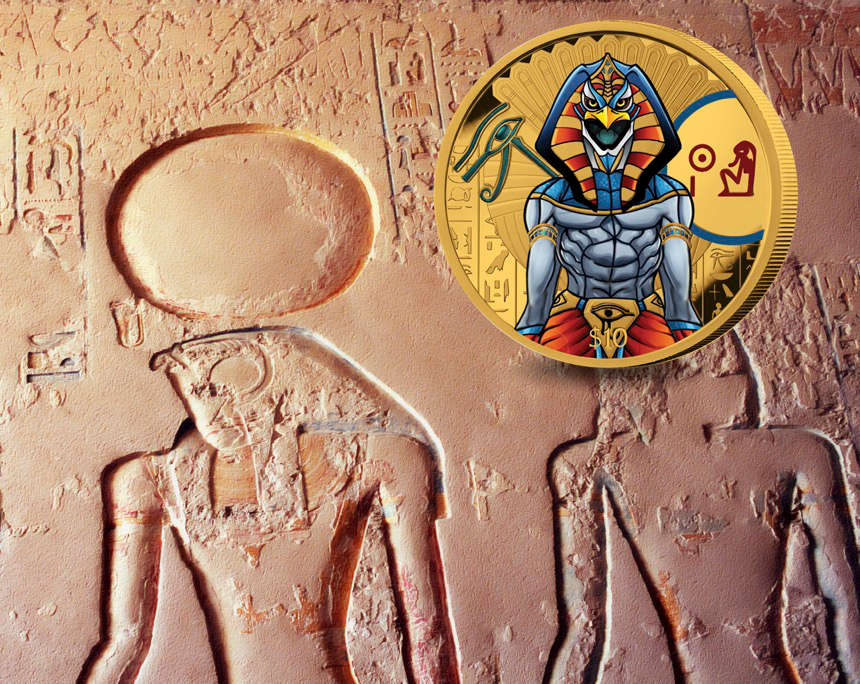
Pobjoy Mint Features Egyptian God Ra
The Egyptologist Thomas Young made significant contributions to the decipherment of Egyptian hieroglyphics. On the occasion of his 250th birthday, Pobjoy’s releases its 2023 Egyptian Gods Series. The third coin in the series features the God Ra.

Register Now for the 30th Annual ICOMON Conference
The Economy Museum in Stockholm will host this year’s conference of the International Committee for Money and Banking Museums (ICOMON) on 25-28 September 2024. The registration is now open and the preliminary program is available online.
Archive: Coins, Medals and more
 https://new.coinsweekly.com/wp-content/uploads/2023/10/2023KW41HA_00.jpg
684
860
Ursula Kampmann
https://new.coinsweekly.com/wp-content/uploads/2023/01/logo-coinsweekly_590x204.png
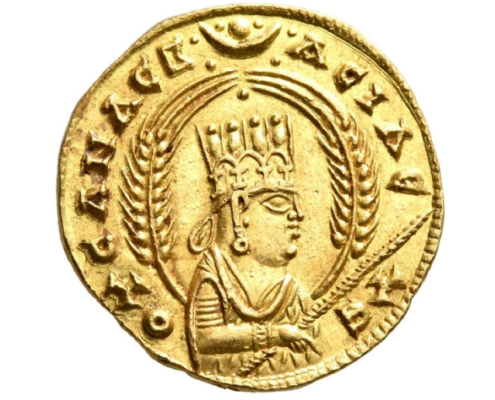
Ursula Kampmann2023-10-12 12:33:032023-10-12 14:04:09An Introduction to Axumite Coinage
https://new.coinsweekly.com/wp-content/uploads/2023/10/2023KW41HA_00.jpg
684
860
Ursula Kampmann
https://new.coinsweekly.com/wp-content/uploads/2023/01/logo-coinsweekly_590x204.png
Ursula Kampmann2023-10-12 12:33:032023-10-12 14:04:09An Introduction to Axumite Coinage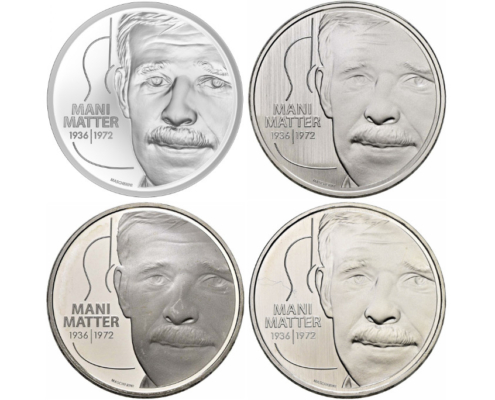 https://new.coinsweekly.com/wp-content/uploads/2023/10/2023KW42HA_00.jpg
684
860
Ursula Kampmann
https://new.coinsweekly.com/wp-content/uploads/2023/01/logo-coinsweekly_590x204.png
Ursula Kampmann2023-10-19 08:00:012023-10-19 11:43:14SINCONA Offers Spectacular Swissmint Patterns
https://new.coinsweekly.com/wp-content/uploads/2023/10/2023KW42HA_00.jpg
684
860
Ursula Kampmann
https://new.coinsweekly.com/wp-content/uploads/2023/01/logo-coinsweekly_590x204.png
Ursula Kampmann2023-10-19 08:00:012023-10-19 11:43:14SINCONA Offers Spectacular Swissmint Patterns
CoinsWeekly News in the Coiniverse App
The Coiniverse app helps its users identify coins and manage their own collections, while CoinsWeekly provides in-depth information on numismatic topics from around the world. As a new feature, Coiniverse users can now access CoinsWeekly articles directly in the app.
Collecting Coins Around 1600
In January 2024, the first volume of Ursula Kampmann’s three-part work on the letters of Hans von Schellenberg was published. The author presents one of the most insightful sources on collecting coins in the early modern period in its historical context.