







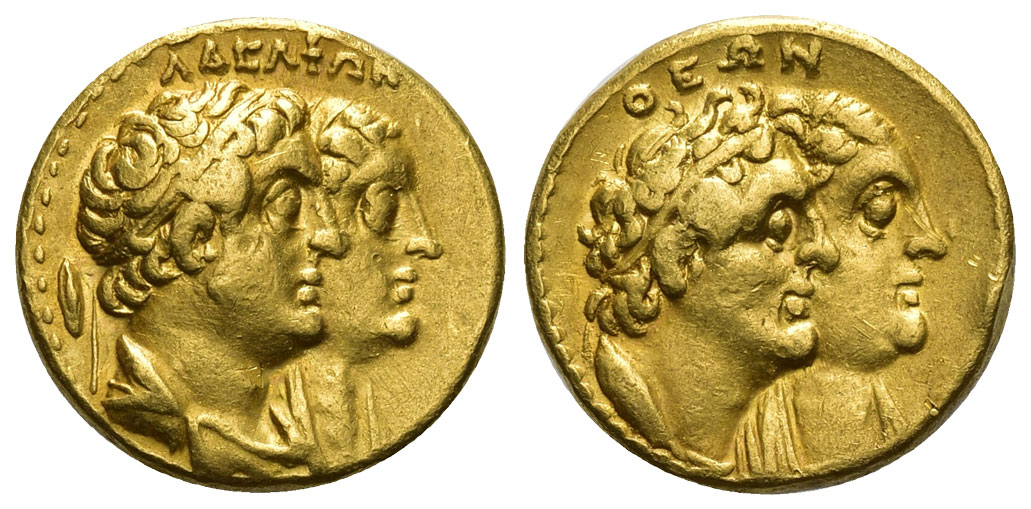
AV Tetradrachm (282–272 BC),
King Ptolemy II and Queen Arsinoe II.
From the major collection of Alexandria mint.
Condition: vf+
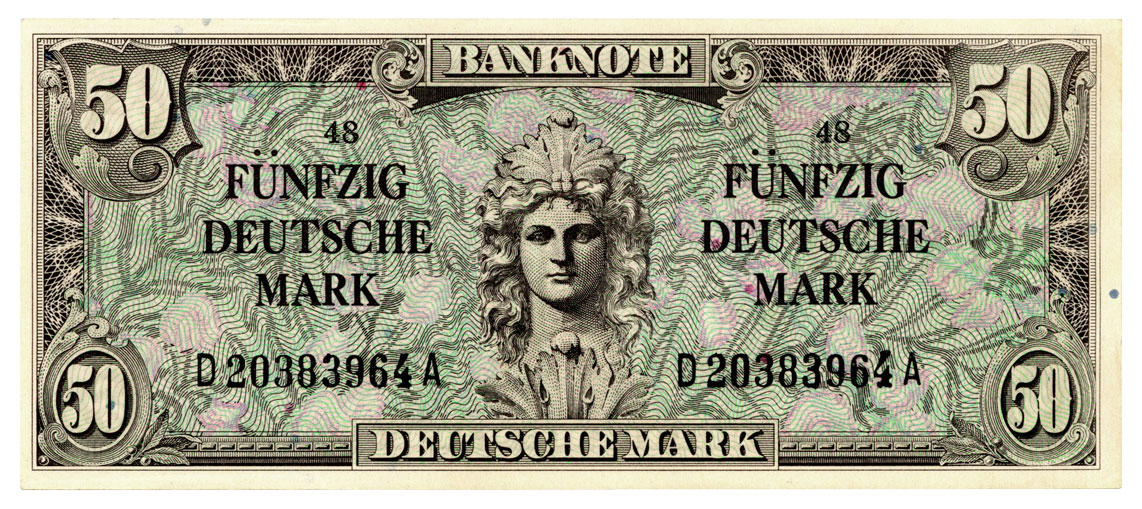
50 Deutsche Mark o.D. ( 1948-1949) "Liberty".
Condition: extremly rare, I
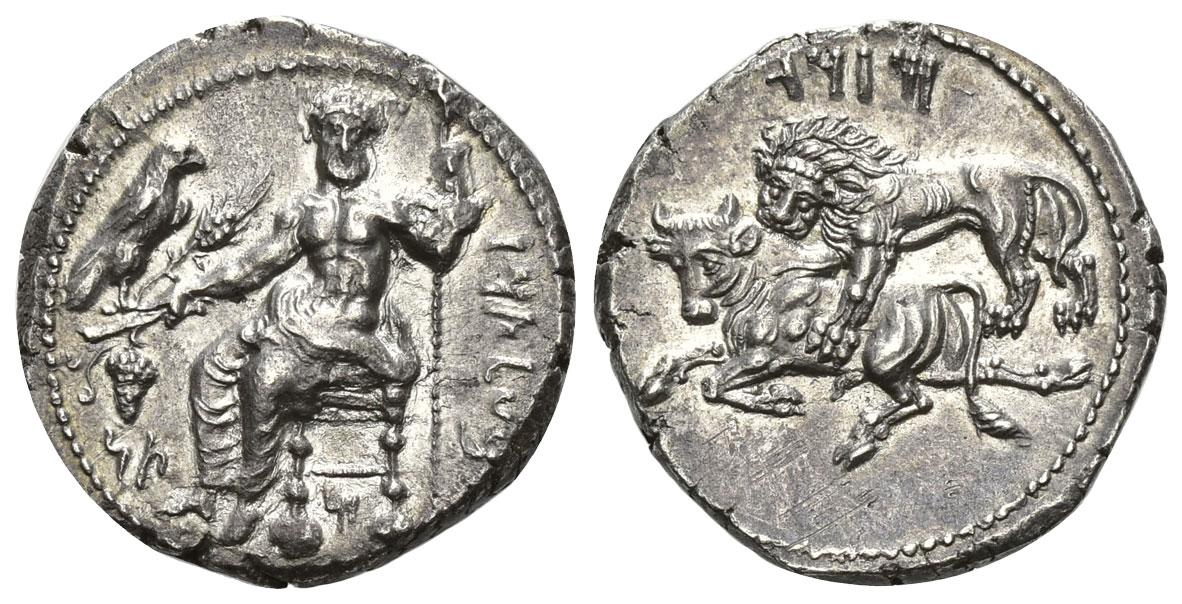
AR Stater (361-334 BC).
Obv. Baal of Tarsos.
Conditon: ef
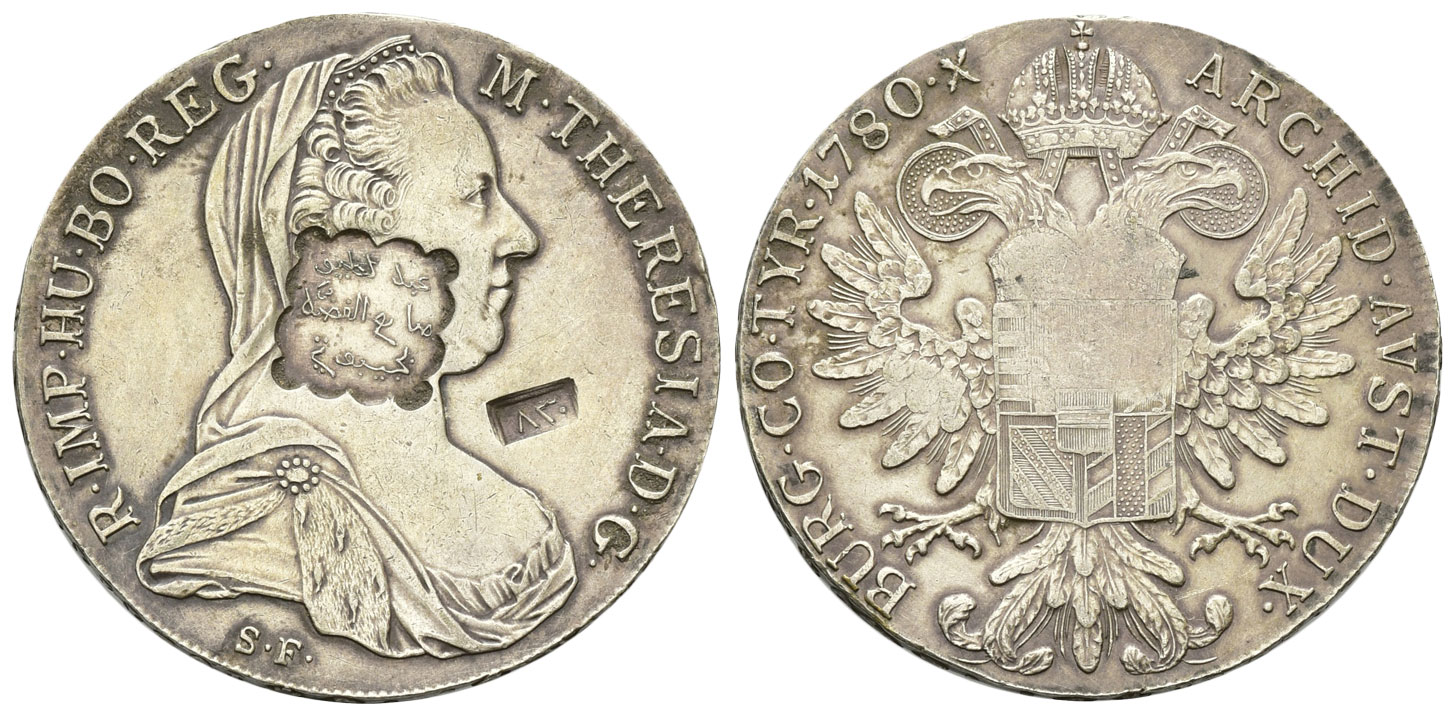
Taler 1780 SF
with counter stamp Djibouti (1870-1900).
Condition: vf
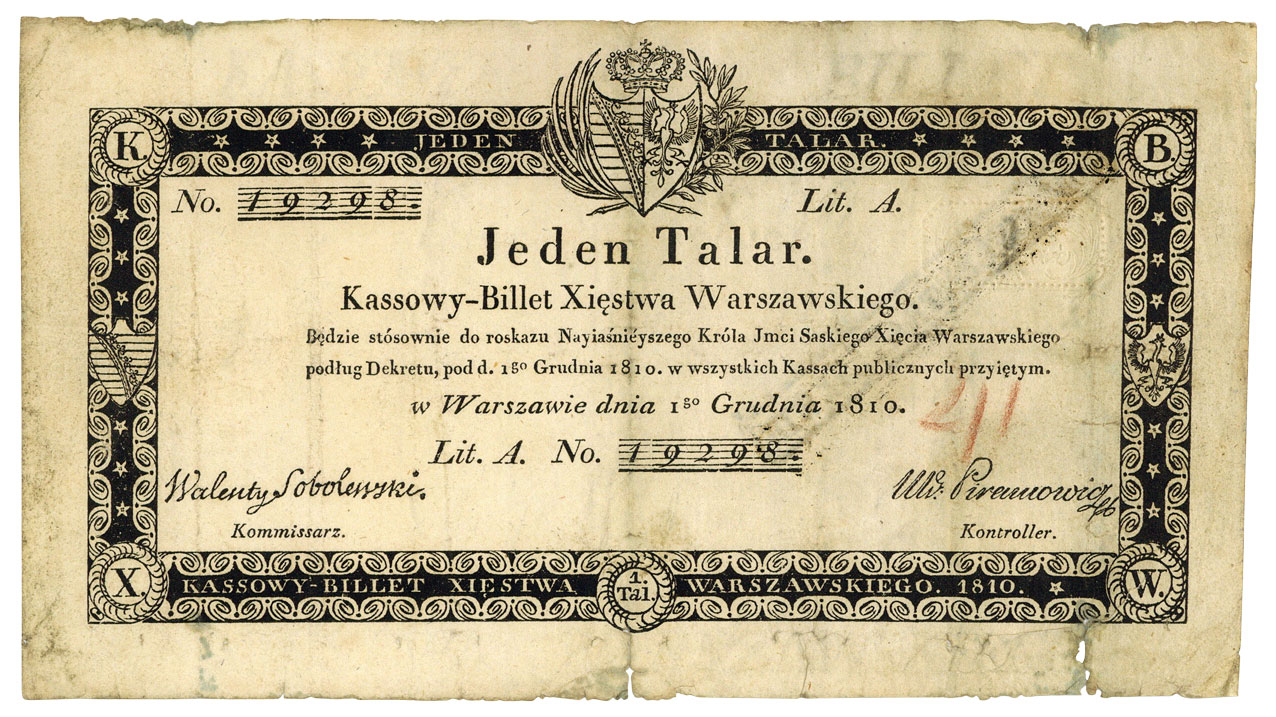
1 Talar 1. December 1810.
Condition: III-IV
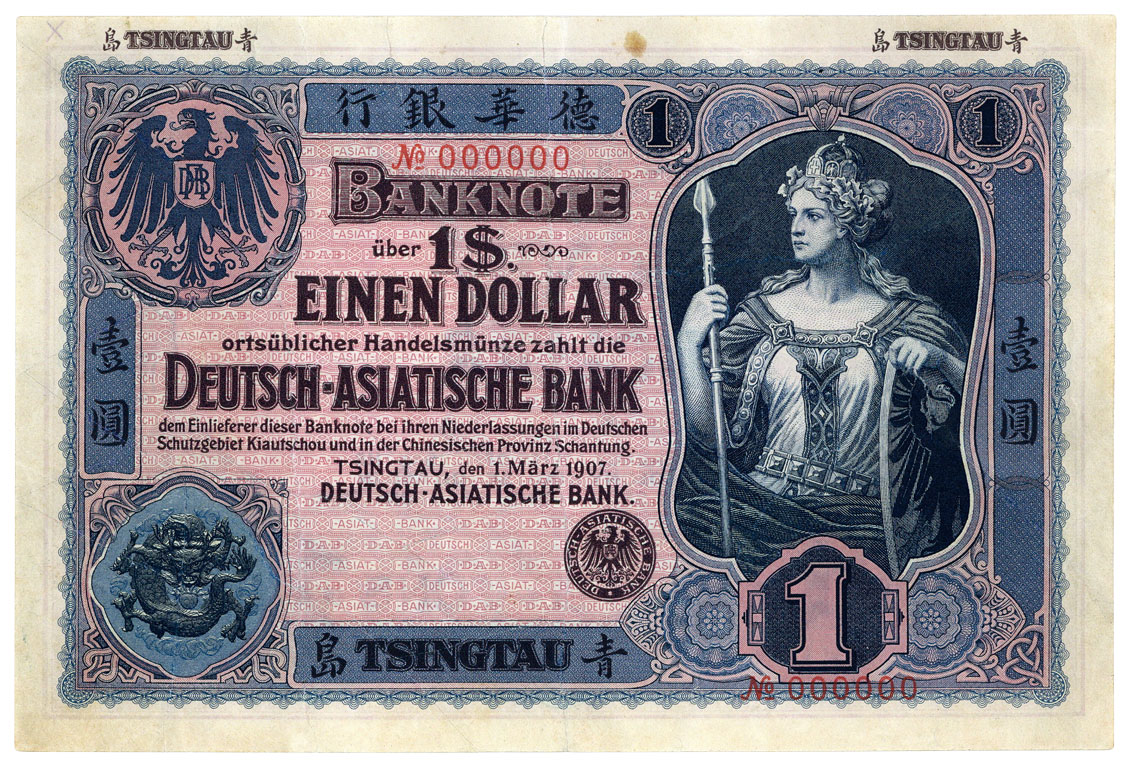
1 Dollar 1.3.1907, Tsingtao.
Condition: very rare, restored
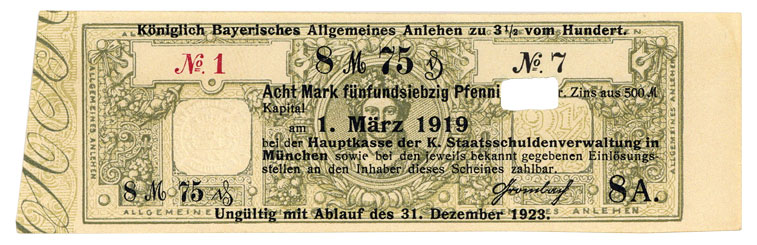
Royal Bavarian General Loan.
8.75 Marks, March 1, 1919.
Condition: rare, I
Archive: People and Markets
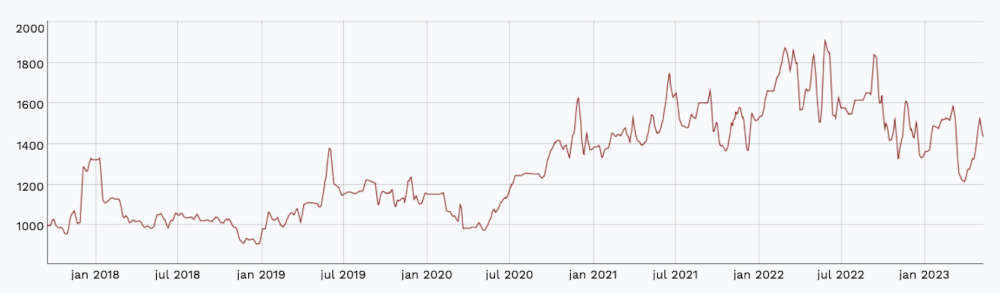
The Numismatic Index on 13 June 2023
The numismatic index numindex transparently shows how the prices of selected coins change over time. In the style of a stock index, it was designed for collectors who consider their collection an investment. Find out about the current state of the index.

Solomon Islands New Banknote released in celebration of the XVII Pacific Games
The Central Bank of the Solomon Islands released new $10 commemorative banknotes to commemorate the XVII Pacific Games that the island country will hosting for the first time this year. The new banknote is expected to be widely circulated for use throughout the Solomon Islands.
Archive: Coins, Medals and more
 https://new.coinsweekly.com/wp-content/uploads/2024/05/2024KW21HA_00.jpg
684
860
Ursula Kampmann
https://new.coinsweekly.com/wp-content/uploads/2023/01/logo-coinsweekly_590x204.png
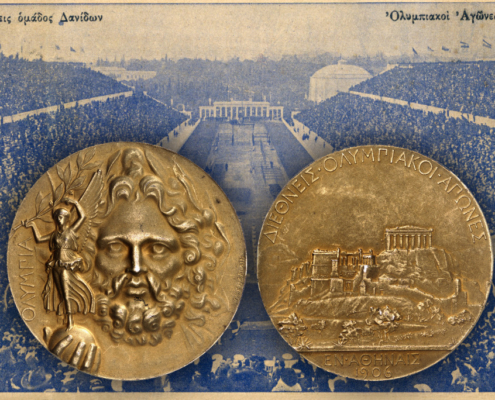
Ursula Kampmann2024-05-23 10:47:532024-05-23 11:04:37The Olympic Games That Are No Longer Recognized
https://new.coinsweekly.com/wp-content/uploads/2024/05/2024KW21HA_00.jpg
684
860
Ursula Kampmann
https://new.coinsweekly.com/wp-content/uploads/2023/01/logo-coinsweekly_590x204.png
Ursula Kampmann2024-05-23 10:47:532024-05-23 11:04:37The Olympic Games That Are No Longer Recognized https://new.coinsweekly.com/wp-content/uploads/2025/06/00-5.jpg
684
860
Lucie Loechel
https://new.coinsweekly.com/wp-content/uploads/2023/01/logo-coinsweekly_590x204.png
Lucie Loechel2025-06-05 08:00:262025-06-05 08:29:19Farewell to the Penny: (No) Impact on Numismatics?
https://new.coinsweekly.com/wp-content/uploads/2025/06/00-5.jpg
684
860
Lucie Loechel
https://new.coinsweekly.com/wp-content/uploads/2023/01/logo-coinsweekly_590x204.png
Lucie Loechel2025-06-05 08:00:262025-06-05 08:29:19Farewell to the Penny: (No) Impact on Numismatics?
A Well-Known Scam Strikes Again: Gold Coins Worth 280,000 Euros Gone
Using a well-known scam, a fraudster tricked a German senior citizen into handing over gold coins worth 280,000 euros. Find out how the scam works and how you can protect yourself and others.
ROMA Numismatics to Close on 24 May 2024
On 24 May 2024, a chapter in the history of British numismatics will come to an end. The auction house ROMA Numismatics Limited will close its doors.