






Archive: People and Markets

The MDC Awards 2023
After a five-year break, the Mint Directors Conference took place in Ottawa, Canada, from October 15 to 18. One of the most eagerly awaited events was the announcement of the winners of the prestigious MDC Awards. You can now find them here.
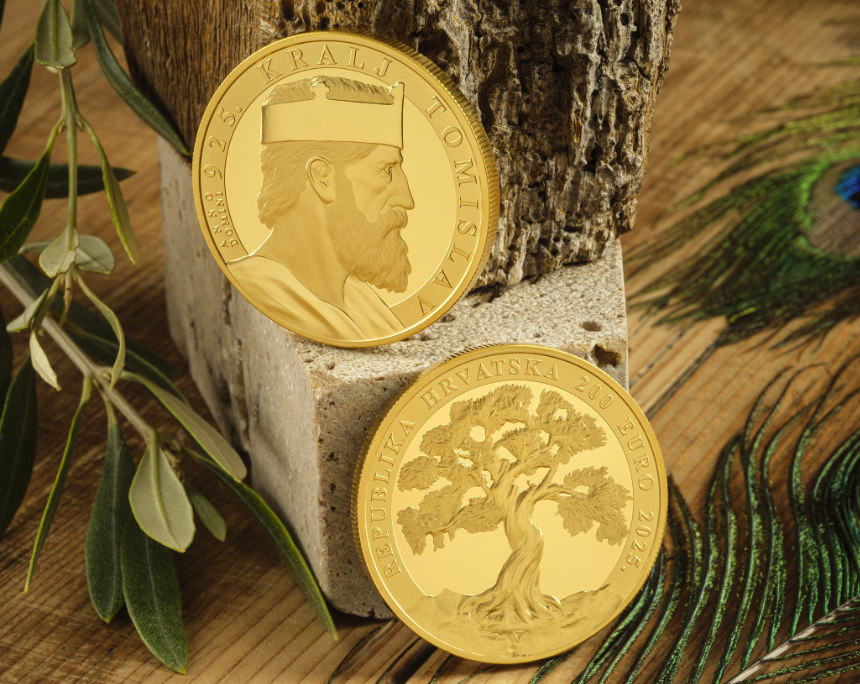
Croatian Rulers – A New Coin Series
Croatia is proud of its long and rich history. The Croatian National Bank, in cooperation with the Croatian Mint, is dedicating a new coin series for collectors to their country’s history, focusing on Croatia’s rulers. The first King of Croatia was King Tomislav, who is depicted on the first coin in this series.
Archive: Coins, Medals and more
 https://new.coinsweekly.com/wp-content/uploads/2023/05/00HASinconaProbe1820.jpg
684
860
Ursula Kampmann
https://new.coinsweekly.com/wp-content/uploads/2023/01/logo-coinsweekly_590x204.png
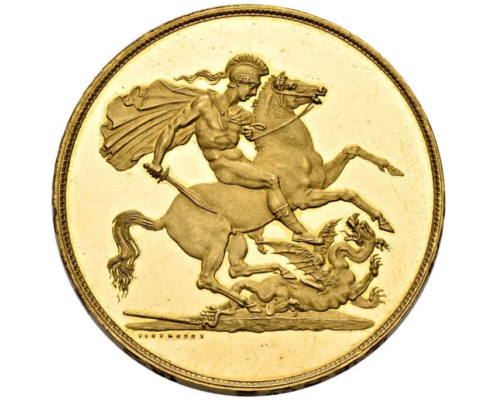
Ursula Kampmann2023-05-11 09:04:372023-05-12 13:41:02As the King Lay Dying… – The Most Spectacular British Gold Coin of the Modern Era
https://new.coinsweekly.com/wp-content/uploads/2023/05/00HASinconaProbe1820.jpg
684
860
Ursula Kampmann
https://new.coinsweekly.com/wp-content/uploads/2023/01/logo-coinsweekly_590x204.png
Ursula Kampmann2023-05-11 09:04:372023-05-12 13:41:02As the King Lay Dying… – The Most Spectacular British Gold Coin of the Modern Era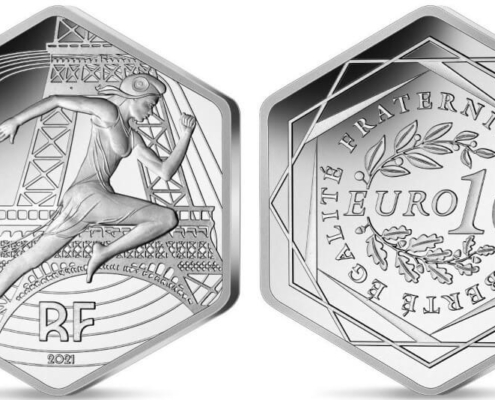 https://new.coinsweekly.com/wp-content/uploads/2023/06/CoCo05_15.jpg
534
1000
Ursula Kampmann
https://new.coinsweekly.com/wp-content/uploads/2023/01/logo-coinsweekly_590x204.png
Ursula Kampmann2022-06-13 09:54:432023-06-27 10:33:10The French Marianne I: Marianne as a Representative of the French People – Part 2
https://new.coinsweekly.com/wp-content/uploads/2023/06/CoCo05_15.jpg
534
1000
Ursula Kampmann
https://new.coinsweekly.com/wp-content/uploads/2023/01/logo-coinsweekly_590x204.png
Ursula Kampmann2022-06-13 09:54:432023-06-27 10:33:10The French Marianne I: Marianne as a Representative of the French People – Part 2
Eisleben, Germany: Church Treasure Recovered After Almost 400 Years
What a find: last year, a hoard of 864 coins was discovered in a sandstone figure in a church in Eisleben, Germany. The coins were hidden there during the Thirty Years’ War and provide a rare insight into the currency in circulation at that time. A coin expert from the region tells us more about it.
The Second Issue on Swiss Cable Cars: The Titlis Cable Car
Attention cable car enthusiasts: Swissmint is launching the second issue in its series on Swiss cable cars. The subject of the third and final coin in the series has also already been announced.