







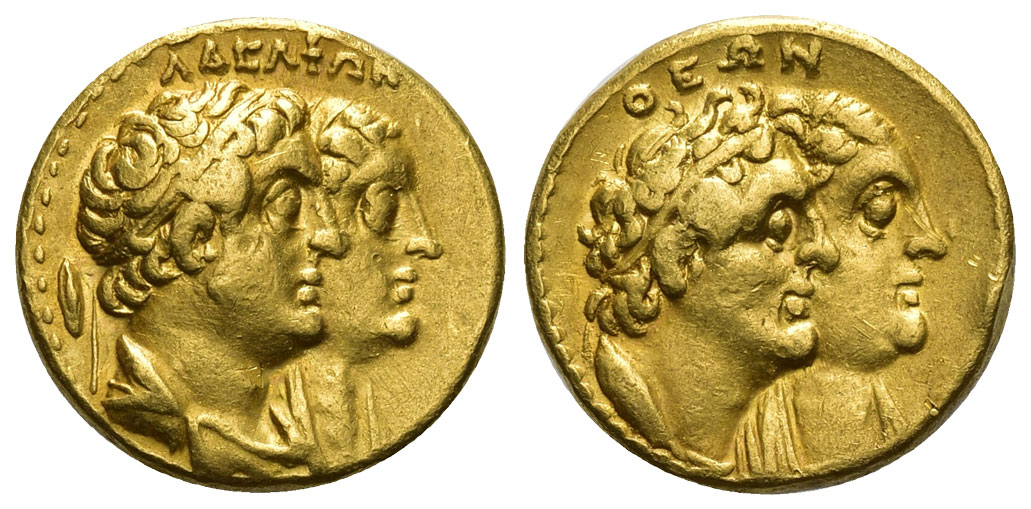
AV Tetradrachm (282–272 BC),
King Ptolemy II and Queen Arsinoe II.
From the major collection of Alexandria mint.
Condition: vf+
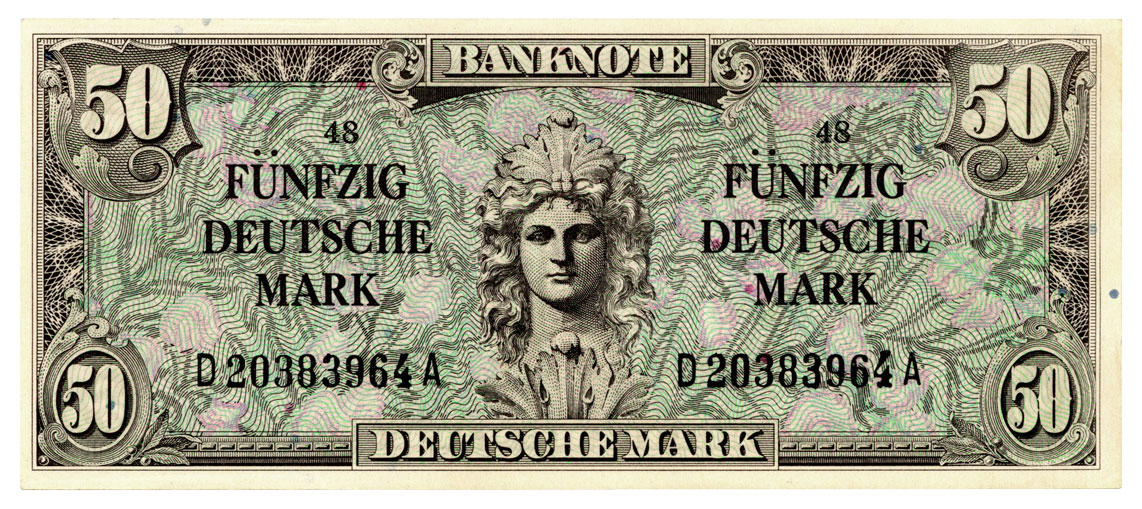
50 Deutsche Mark o.D. ( 1948-1949) "Liberty".
Condition: extremly rare, I
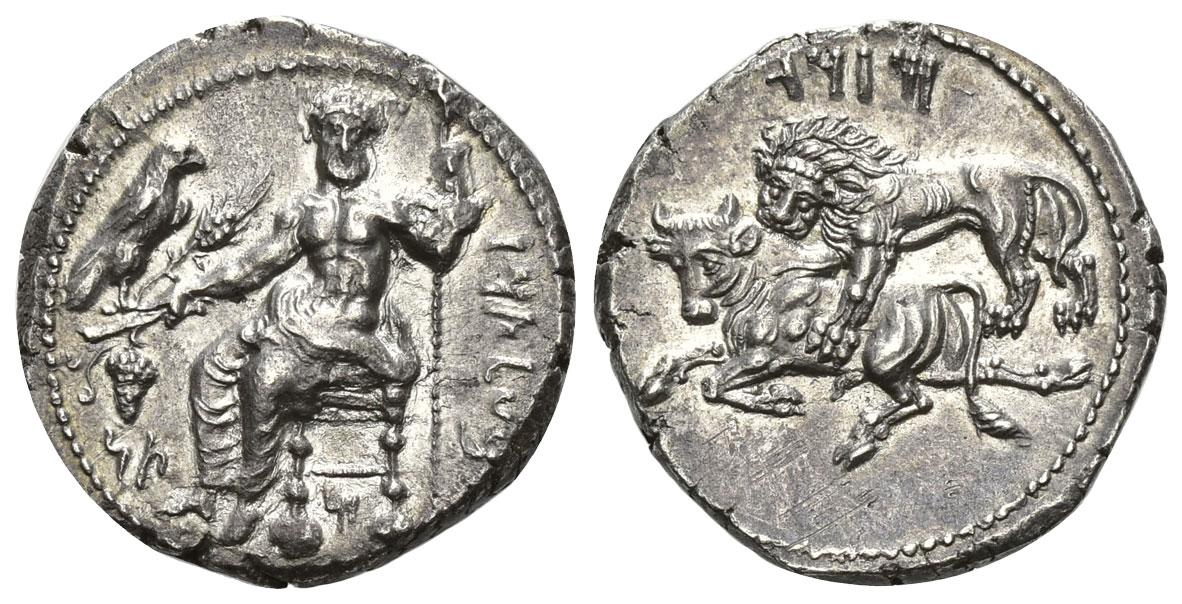
AR Stater (361-334 BC).
Obv. Baal of Tarsos.
Conditon: ef
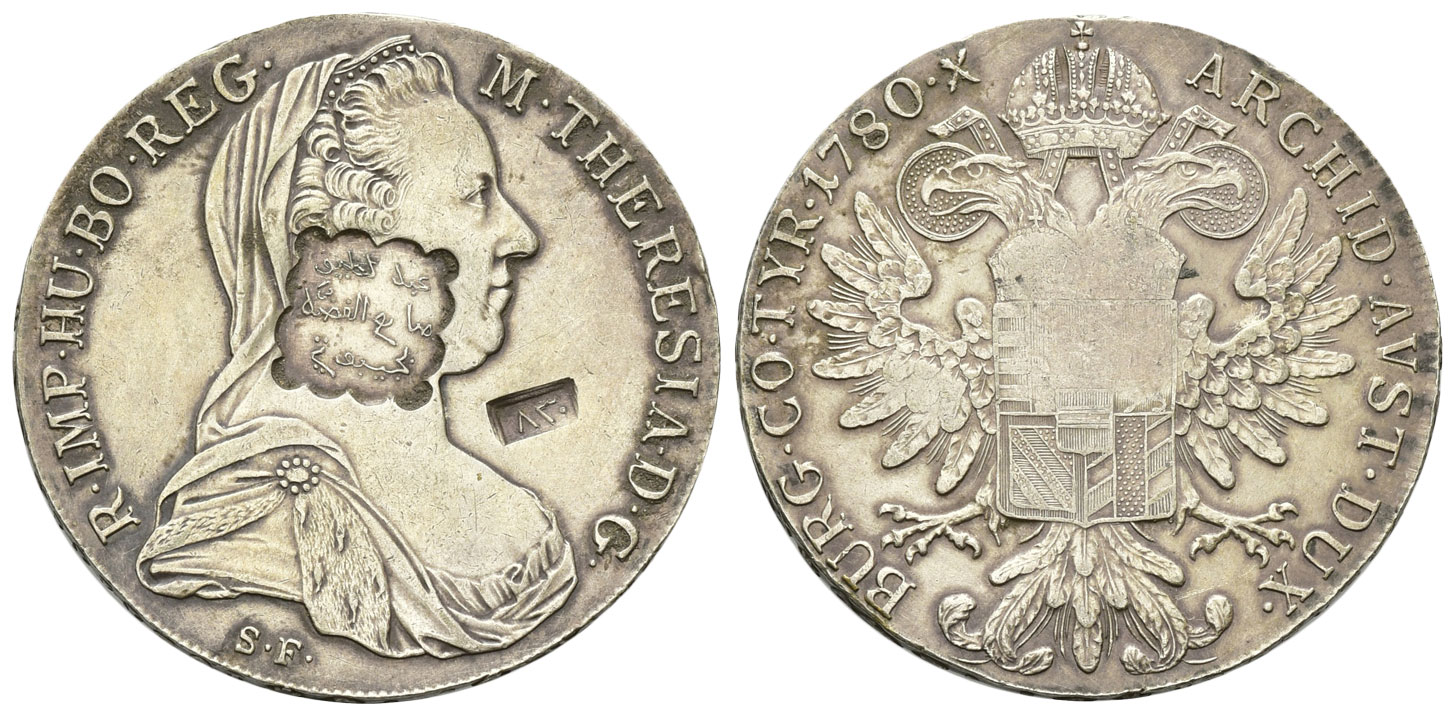
Taler 1780 SF
with counter stamp Djibouti (1870-1900).
Condition: vf
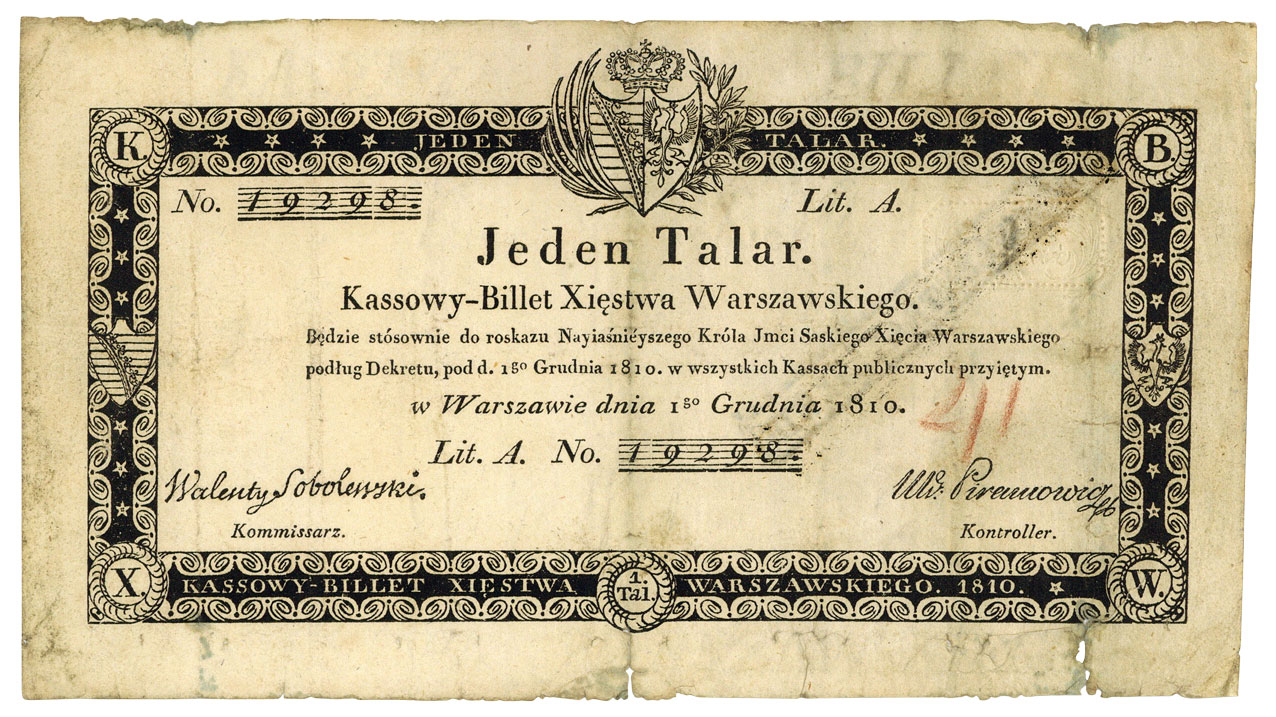
1 Talar 1. December 1810.
Condition: III-IV
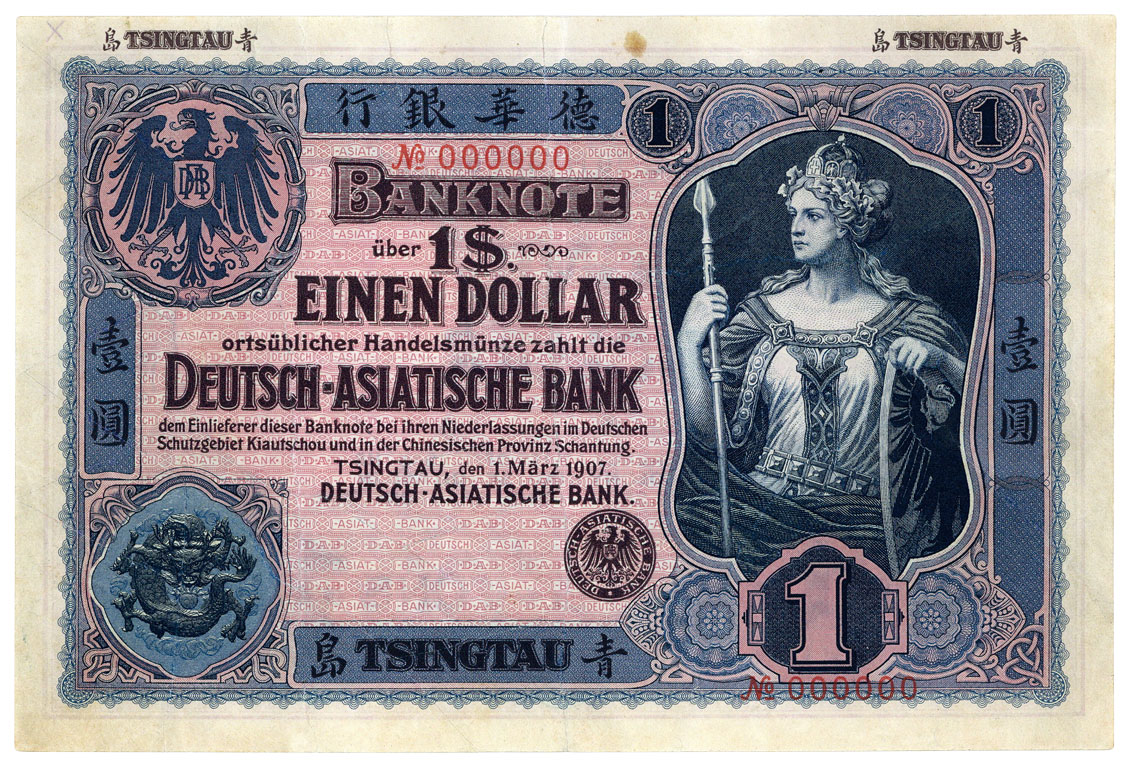
1 Dollar 1.3.1907, Tsingtao.
Condition: very rare, restored
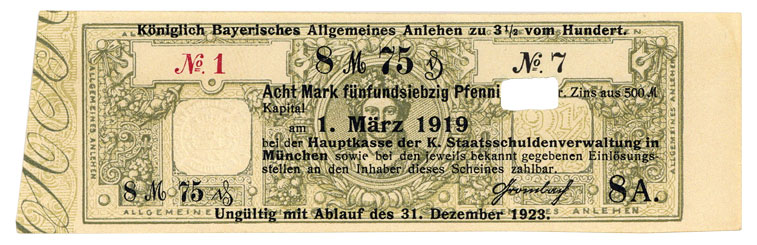
Royal Bavarian General Loan.
8.75 Marks, March 1, 1919.
Condition: rare, I
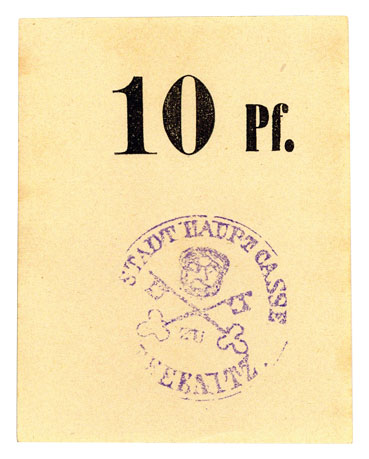
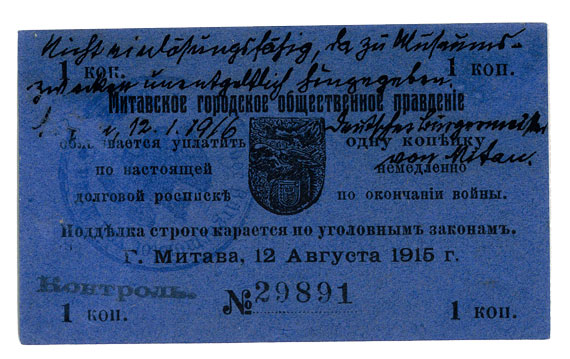
Archive: People and Markets
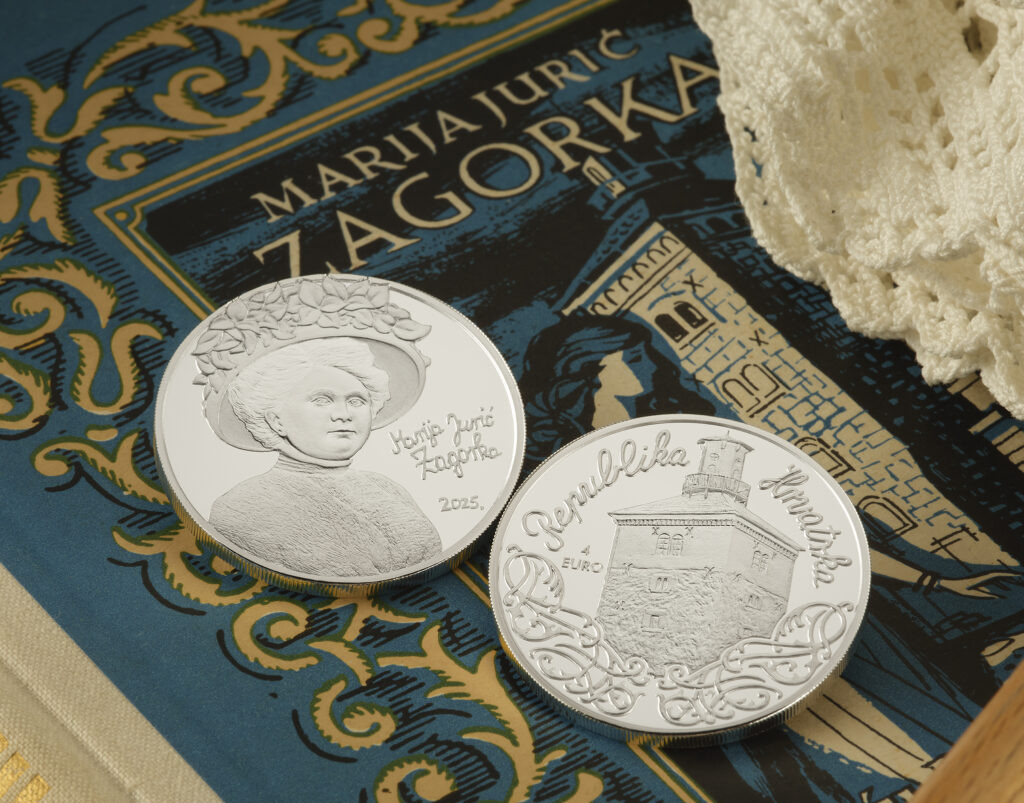
Marija Jurić Zagorka: A Feminist Icon from Croatia
The Croatian National Bank, in cooperation with the Croatian Mint, continues its series on Croatian literature. The second issue is dedicated to Marija Jurić Zagorka. She is celebrated in Croatia as an icon of feminism.
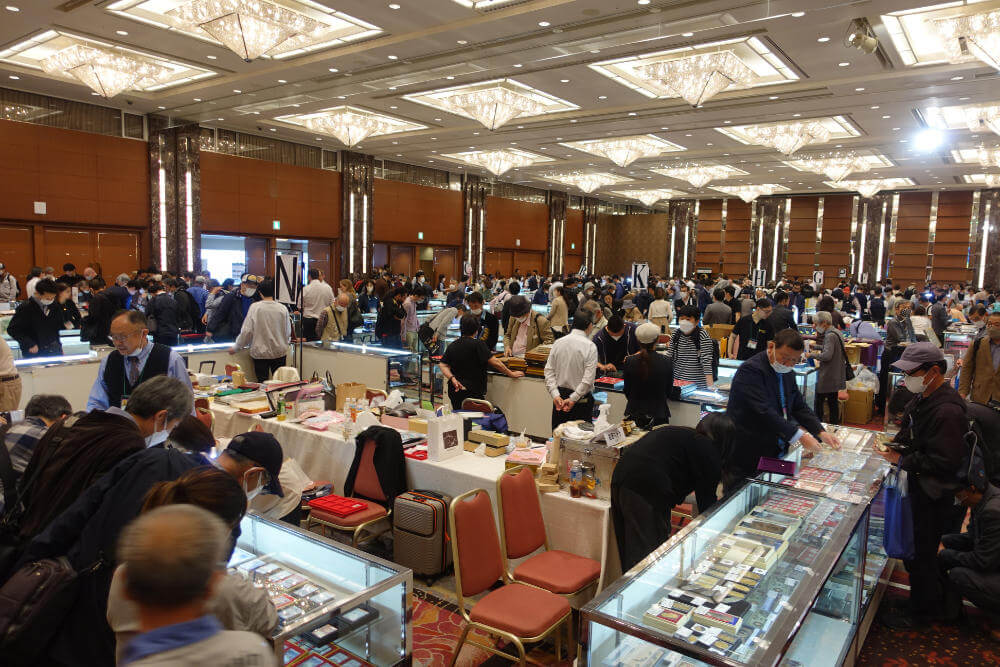
TICC: The Best Organised Coin Show in the World
Sometimes it takes a look outside the box to get some inspiration for how the coin show of the future might look like. The TICC in Japan certainly has some fresh ideas to offer. Ursula Kampmann reports on what she experienced in Tokyo.
Archive: Coins, Medals and more
 https://new.coinsweekly.com/wp-content/uploads/2024/10/2024KW41HA1_00.jpg
684
860
Lucie Loechel
https://new.coinsweekly.com/wp-content/uploads/2023/01/logo-coinsweekly_590x204.png
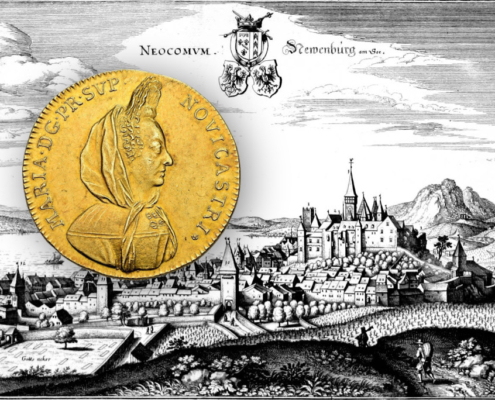
Lucie Loechel2024-10-10 13:41:242024-10-10 13:46:34Why Neuchâtel Is Not Part of France Today
https://new.coinsweekly.com/wp-content/uploads/2024/10/2024KW41HA1_00.jpg
684
860
Lucie Loechel
https://new.coinsweekly.com/wp-content/uploads/2023/01/logo-coinsweekly_590x204.png
Lucie Loechel2024-10-10 13:41:242024-10-10 13:46:34Why Neuchâtel Is Not Part of France Today https://new.coinsweekly.com/wp-content/uploads/2023/06/00_Value_of_coins.jpg
750
1000
Bruno
https://new.coinsweekly.com/wp-content/uploads/2023/01/logo-coinsweekly_590x204.png
Bruno2022-06-13 10:56:082023-06-27 11:29:37Planchet Error, Overstrike, Double-Strike, Etc.: Which Errors Affect the Price of a Coin? – Part 1
https://new.coinsweekly.com/wp-content/uploads/2023/06/00_Value_of_coins.jpg
750
1000
Bruno
https://new.coinsweekly.com/wp-content/uploads/2023/01/logo-coinsweekly_590x204.png
Bruno2022-06-13 10:56:082023-06-27 11:29:37Planchet Error, Overstrike, Double-Strike, Etc.: Which Errors Affect the Price of a Coin? – Part 1
Following Last Year’s Success: Münze Deutschland Again Sells Show Rarity at the World Money Fair
The World Money Fair is a haven for collectors hunting for limited-edition rarities. In 2024, a German coin card featuring the €2 coin “Mecklenburg-Vorpommern / Königsstuhl” caught everyone’s eye—and its market value skyrocketed to over €200. Münze Deutschland is now building on this success.
The South African Mint: Africa’s Largest Mint
At the end of my trip to South Africa, I have the unique opportunity to visit the South African Mint. I’m taking you along on my visit, and that’s something very special: normally, taking photos inside the South African Mint isn’t permitted!