






Archive: People and Markets
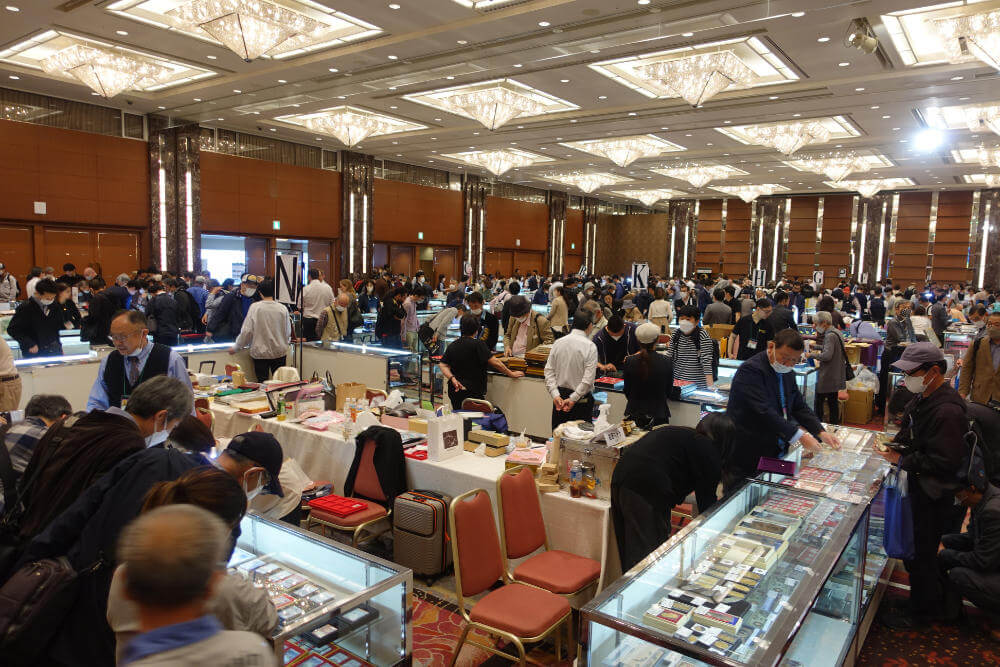
TICC: The Best Organised Coin Show in the World
Sometimes it takes a look outside the box to get some inspiration for how the coin show of the future might look like. The TICC in Japan certainly has some fresh ideas to offer. Ursula Kampmann reports on what she experienced in Tokyo.
Numisma – The Zoom Seminar Series of the Australian Centre for Ancient Numismatic Studies
Today the online lecture series NUMISMA starts into the second half of the year. Students, researchers and collectors who are interested in ancient coins are very welcome! Find the upcoming lectures here.
Archive: Coins, Medals and more
 https://new.coinsweekly.com/wp-content/uploads/2024/09/2024KW39HA_00.jpg
684
860
Sebastian Wieschowski
https://new.coinsweekly.com/wp-content/uploads/2023/01/logo-coinsweekly_590x204.png
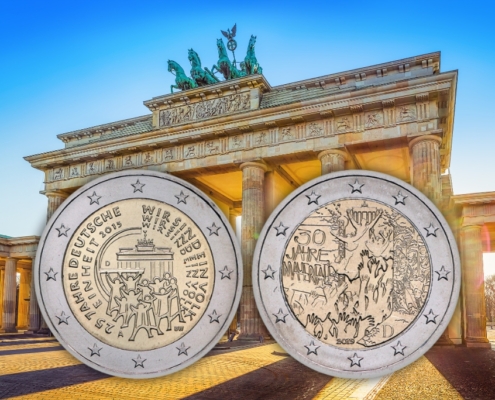
Sebastian Wieschowski2024-09-26 06:00:552024-09-26 09:25:24Unity Coin Sows Discord: More Than Just a Matter of Taste?
https://new.coinsweekly.com/wp-content/uploads/2024/09/2024KW39HA_00.jpg
684
860
Sebastian Wieschowski
https://new.coinsweekly.com/wp-content/uploads/2023/01/logo-coinsweekly_590x204.png
Sebastian Wieschowski2024-09-26 06:00:552024-09-26 09:25:24Unity Coin Sows Discord: More Than Just a Matter of Taste?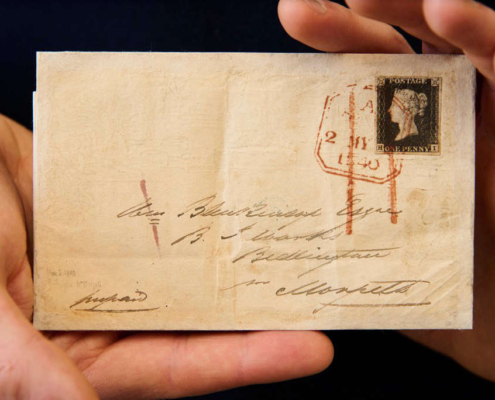 https://new.coinsweekly.com/wp-content/uploads/2024/01/2024KW05HA_00.jpg
684
860
Ursula Kampmann
https://new.coinsweekly.com/wp-content/uploads/2023/01/logo-coinsweekly_590x204.png
Ursula Kampmann2024-01-31 13:34:492024-01-31 13:34:49The First Piece of Mail Sent Using a Stamp to Be Offered at Sotheby’s
https://new.coinsweekly.com/wp-content/uploads/2024/01/2024KW05HA_00.jpg
684
860
Ursula Kampmann
https://new.coinsweekly.com/wp-content/uploads/2023/01/logo-coinsweekly_590x204.png
Ursula Kampmann2024-01-31 13:34:492024-01-31 13:34:49The First Piece of Mail Sent Using a Stamp to Be Offered at Sotheby’s
Vatican Plans a Comeback: New Online Shop Launches in July
This move has nothing to do with the inauguration of Pope Leo XIV but has been in preparation for months: Starting in July 2025, the Vatican will resume sales of its philatelic and numismatic products.
How Canada’s Coins Celebrate the Coronation of King Charles III
The Royal Canadian Mint released collector coins in celebration of King Charles’ Coronation. The coins feature the new Royal Cypher but not yet the King’s portrait. Find here more information about when to expect his portrait.