






Archive: People and Markets

New Exhibition at the British Museum Presents Recovered Gems
A new exhibition at the British Museum showcases some of the finest ancient gems in the museum’s collection. They include some of the pieces that were recently stolen and could be recovered thanks to the cooperation of coin dealers.
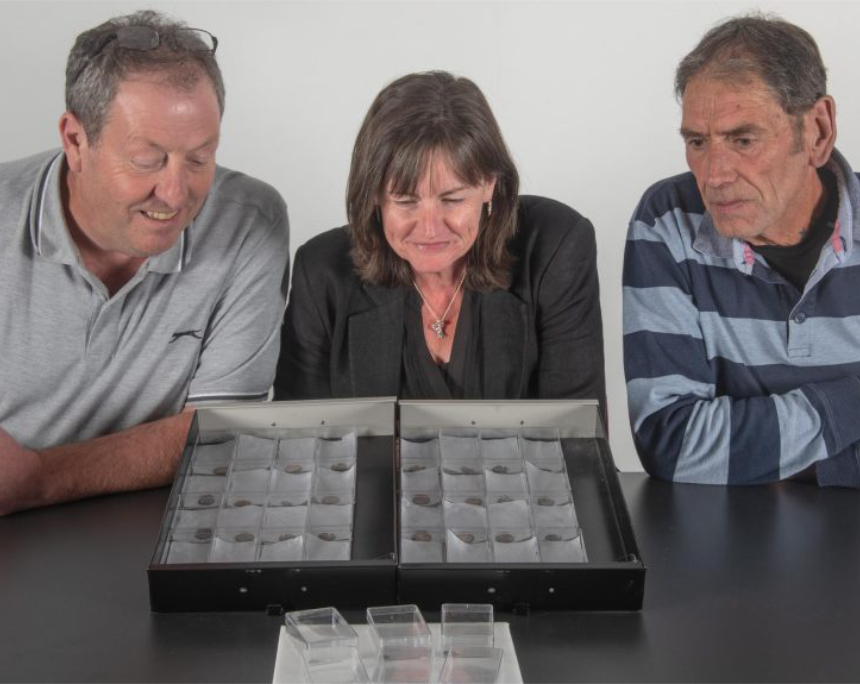
Hoard of Viking Coins Unearthed on the Isle of Man
The Isle of Man’s rich Viking legacy has been further enhanced by the discovery of the Island’s latest treasure hoard.
Archive: Coins, Medals and more
 https://new.coinsweekly.com/wp-content/uploads/2023/06/00-6.jpg
489
1001
Bruno
https://new.coinsweekly.com/wp-content/uploads/2023/01/logo-coinsweekly_590x204.png
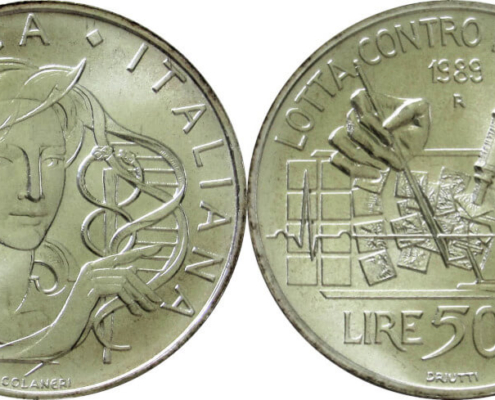
Bruno2022-06-13 12:59:122023-07-03 13:07:57Numismatic Issues Concerning Health, Medicine and Women in Times of Covid, Part 3: Personifications of Health and Medicine
https://new.coinsweekly.com/wp-content/uploads/2023/06/00-6.jpg
489
1001
Bruno
https://new.coinsweekly.com/wp-content/uploads/2023/01/logo-coinsweekly_590x204.png
Bruno2022-06-13 12:59:122023-07-03 13:07:57Numismatic Issues Concerning Health, Medicine and Women in Times of Covid, Part 3: Personifications of Health and Medicine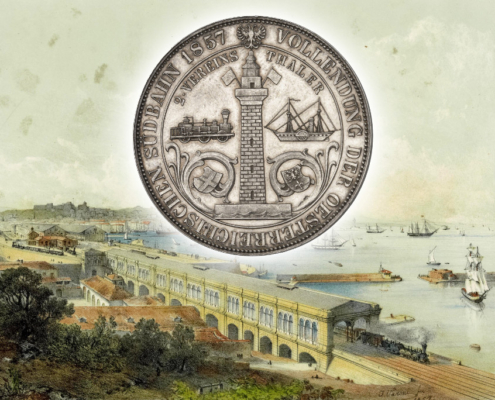 https://new.coinsweekly.com/wp-content/uploads/2024/05/2024KW22HA_00.jpg
684
860
Ursula Kampmann
https://new.coinsweekly.com/wp-content/uploads/2023/01/logo-coinsweekly_590x204.png
Ursula Kampmann2024-05-29 09:00:582024-05-29 15:18:10A Commemorative Coin Celebrating the Completion of Austria’s Southern Railway
https://new.coinsweekly.com/wp-content/uploads/2024/05/2024KW22HA_00.jpg
684
860
Ursula Kampmann
https://new.coinsweekly.com/wp-content/uploads/2023/01/logo-coinsweekly_590x204.png
Ursula Kampmann2024-05-29 09:00:582024-05-29 15:18:10A Commemorative Coin Celebrating the Completion of Austria’s Southern Railway
Pobjoy’s Newest Egyptian Gods Coin Features Anubis
On the occasion of the 250th birthday of British Egyptologist Dr Thomas Young, Pobjoy released a brand-new silver coin featuring one of the most iconic gods of ancient Egypt: Anubis.
Künker Auctions 100 Pieces from the Ronus Collection to Benefit the ANS
As part of Künkers eLive Auction 87, 100 pieces from the Robert Ronus Collection which were generously donated to the ANS will be auctioned off to benefit the Society. Robert Ronus is a passionate coin collector, dedicated numismatist and a long-time supporter of the ANS.