






Archive: People and Markets

A-Mark Precious Metals Acquires Stack’s Bowers Galleries
One of the largest auctioneers in the numismatic world has a new owner. Stack’s Bowers Galleries, including its parent company, entered into a definitive merger agreement to be acquired by A-Mark Precious Metals.
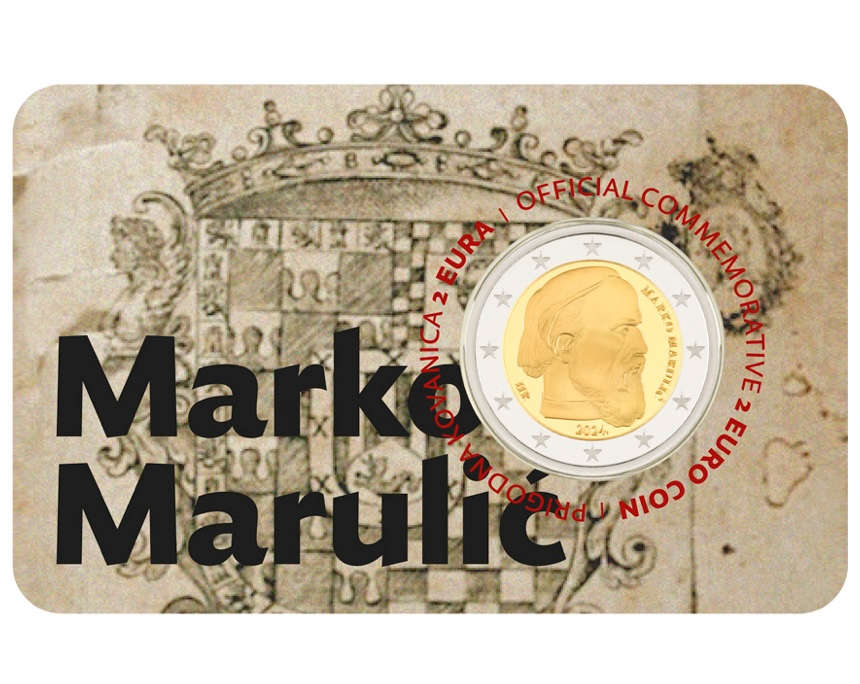
Two-Euro Ticker: New 2-Euro Coins in October 2024
As 2024 draws to a close for 2-euro collectors, 29 of the 35 planned coins have already been released. Last month, another surprise emerged from a Euro country.
Archive: Coins, Medals and more
 https://new.coinsweekly.com/wp-content/uploads/2023/06/CoCo06_09c.jpg
1369
1331
Ursula Kampmann
https://new.coinsweekly.com/wp-content/uploads/2023/01/logo-coinsweekly_590x204.png
Ursula Kampmann2022-06-13 10:49:272023-06-29 10:51:03Courageous Girls in the Coin Wonderland
https://new.coinsweekly.com/wp-content/uploads/2023/06/CoCo06_09c.jpg
1369
1331
Ursula Kampmann
https://new.coinsweekly.com/wp-content/uploads/2023/01/logo-coinsweekly_590x204.png
Ursula Kampmann2022-06-13 10:49:272023-06-29 10:51:03Courageous Girls in the Coin Wonderland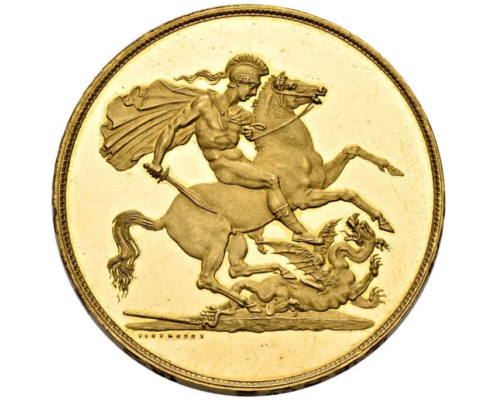 https://new.coinsweekly.com/wp-content/uploads/2023/05/00HASinconaProbe1820.jpg
684
860
Ursula Kampmann
https://new.coinsweekly.com/wp-content/uploads/2023/01/logo-coinsweekly_590x204.png
Ursula Kampmann2023-05-11 09:04:372023-05-12 13:41:02As the King Lay Dying… – The Most Spectacular British Gold Coin of the Modern Era
https://new.coinsweekly.com/wp-content/uploads/2023/05/00HASinconaProbe1820.jpg
684
860
Ursula Kampmann
https://new.coinsweekly.com/wp-content/uploads/2023/01/logo-coinsweekly_590x204.png
Ursula Kampmann2023-05-11 09:04:372023-05-12 13:41:02As the King Lay Dying… – The Most Spectacular British Gold Coin of the Modern Era
ICOMON Annual Conference 2023: Call for Papers
The 2023 ICOMON annual conference will be held in November in Malaysia. Speakers are now invited to send their abstracts on the theme: Reinforcing Museum’s sustainable competitiveness in the peak of digitization & social/global challenges.
A Coveted 2-Euro Coin: Monaco Introduces Penalty Fee for Multiple Orders
The Principality’s commemorative coins are among the most expensive and sought-after collectibles in the eurozone – but they have also attracted speculators for years. The sales office is now taking drastic measures.