






Archive: People and Markets

Osaka 2025 World Expo Commemorated with Silver Coin
For Expo2025 Japan plans to issue five different coins. For one of these the Ministry of Finance has released the Design of a 1,000-Yen silver coin.
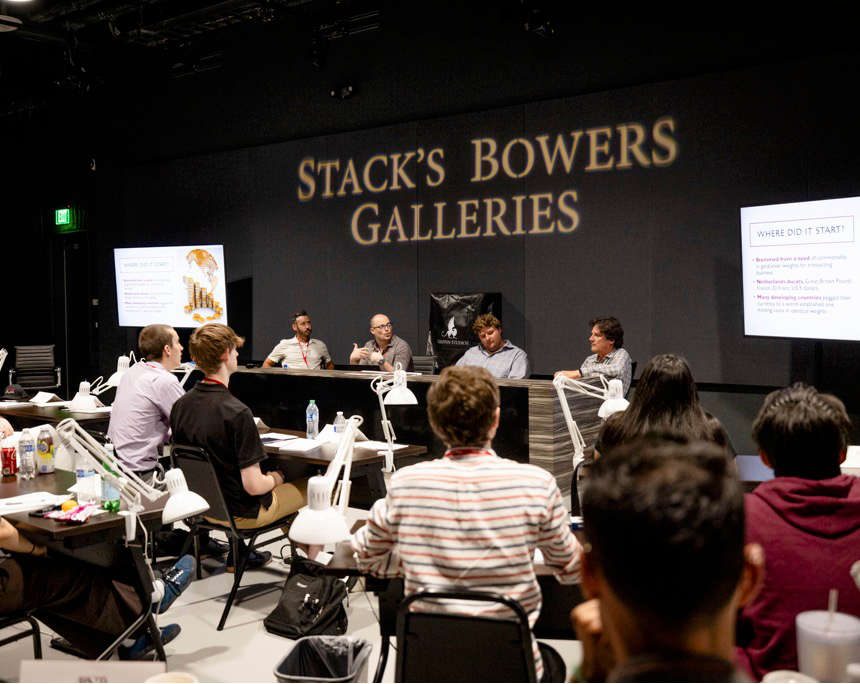
Stack’s Bowers Galleries 2024 Professional Numismatist Program
If you have ever considered making your hobby your profession, the Stack’s Bowers Professional Numismatist Program offers an opportunity to acquire the skills necessary to be successful in this field.
Archive: Coins, Medals and more
 https://new.coinsweekly.com/wp-content/uploads/2024/09/2024KW39HA_00.jpg
684
860
Sebastian Wieschowski
https://new.coinsweekly.com/wp-content/uploads/2023/01/logo-coinsweekly_590x204.png
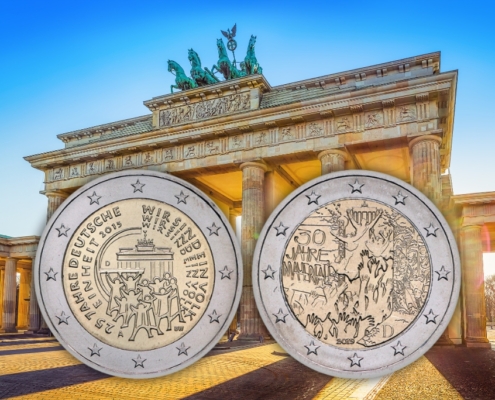
Sebastian Wieschowski2024-09-26 06:00:552024-09-26 09:25:24Unity Coin Sows Discord: More Than Just a Matter of Taste?
https://new.coinsweekly.com/wp-content/uploads/2024/09/2024KW39HA_00.jpg
684
860
Sebastian Wieschowski
https://new.coinsweekly.com/wp-content/uploads/2023/01/logo-coinsweekly_590x204.png
Sebastian Wieschowski2024-09-26 06:00:552024-09-26 09:25:24Unity Coin Sows Discord: More Than Just a Matter of Taste?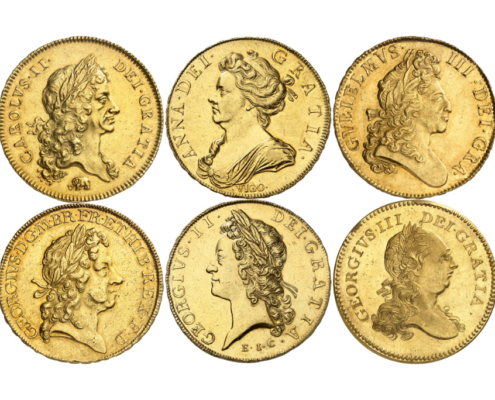 https://new.coinsweekly.com/wp-content/uploads/2024/11/2024KW48HA_00.jpg
684
860
Lucie Loechel
https://new.coinsweekly.com/wp-content/uploads/2023/01/logo-coinsweekly_590x204.png
Lucie Loechel2024-11-28 11:11:542024-11-28 11:42:25Royal Gold: England’s Five Guineas and the English Gold Currency
https://new.coinsweekly.com/wp-content/uploads/2024/11/2024KW48HA_00.jpg
684
860
Lucie Loechel
https://new.coinsweekly.com/wp-content/uploads/2023/01/logo-coinsweekly_590x204.png
Lucie Loechel2024-11-28 11:11:542024-11-28 11:42:25Royal Gold: England’s Five Guineas and the English Gold Currency
Goetz-Ulf Jungmichel Elected as Associate Member of the Board of the Berufsverband des Deutschen Münzenfachhandels e.V
The Berufsverband des Deutschen Münzfachhandels e.V. recently held its board elections and made important personnel decisions.
Further Thefts at Royal Coin Cabinet Brought to Trial
The systematic thefts at the Royal Coin Cabinet in Stockholm were not committed by one single person. Another employee helped himself to some objects. At present, prosecutors are trying to prove the man stole coins worth more than 3.8 million Swedish kronor, including a Russian family ruble which sold for 510,000 SEK in 2009.