






Archive: People and Markets
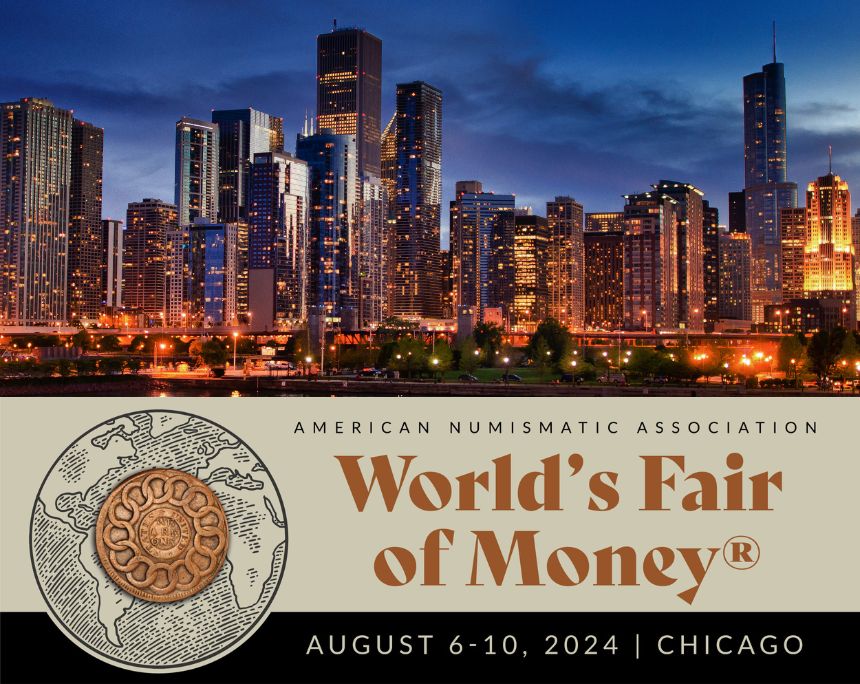
ANA World’s Fair of Money 2024: Waiting for the Election
The world’s largest coin show once again attracted collectors and dealers from around the globe. But for US numismatists, the show certainly was not business as usual – the eyes of the industry are on Washington.
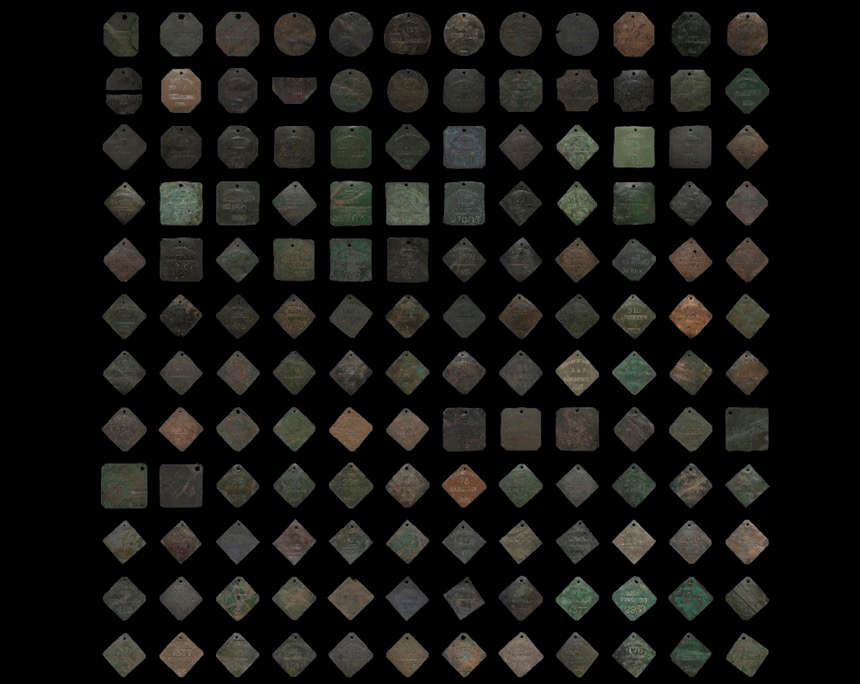
Smithsonian Acquires Largest Collection of Charleston Slave Badges
The Smithsonian’s National Museum of African American History and Culture recently acquired what is thought to be the largest and most complete set of Charleston Slave Badges. A new website informs about the historical significance of these badges.
Archive: Coins, Medals and more
 https://new.coinsweekly.com/wp-content/uploads/2023/11/2023KW46HA_00.jpg
684
860
Ursula Kampmann
https://new.coinsweekly.com/wp-content/uploads/2023/01/logo-coinsweekly_590x204.png
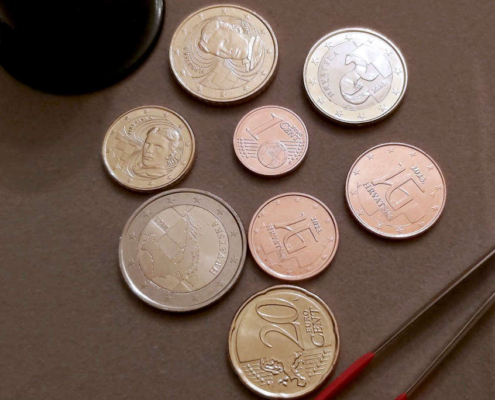
Ursula Kampmann2023-11-16 09:14:582023-11-16 09:23:58The First Error Coins from Croatia
https://new.coinsweekly.com/wp-content/uploads/2023/11/2023KW46HA_00.jpg
684
860
Ursula Kampmann
https://new.coinsweekly.com/wp-content/uploads/2023/01/logo-coinsweekly_590x204.png
Ursula Kampmann2023-11-16 09:14:582023-11-16 09:23:58The First Error Coins from Croatia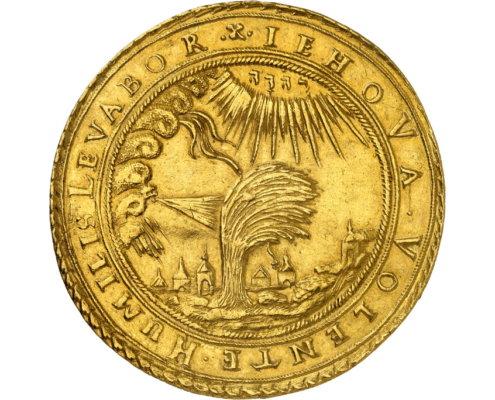 https://new.coinsweekly.com/wp-content/uploads/2024/12/2024KW49HA_00-1.jpg
684
860
Lucie Loechel
https://new.coinsweekly.com/wp-content/uploads/2023/01/logo-coinsweekly_590x204.png
Lucie Loechel2024-12-12 09:49:262024-12-12 10:13:15The Bending Willow Tree
https://new.coinsweekly.com/wp-content/uploads/2024/12/2024KW49HA_00-1.jpg
684
860
Lucie Loechel
https://new.coinsweekly.com/wp-content/uploads/2023/01/logo-coinsweekly_590x204.png
Lucie Loechel2024-12-12 09:49:262024-12-12 10:13:15The Bending Willow Tree
Swissmint Issue Programme 2025
Swissmint unveils its issue programme for 2025, featuring six commemorative coins across various denominations.
Numismatic Treasures at ANA 2024 Chicago World’s Fair of Money
Preparations are underway for the renowned coin show, hosted by the American Numismatic Association. Highlights include the finest known 1794 Flowing Hair dollar, insured for $15 million, which can be seen before entering a private collection.