






Archive: People and Markets
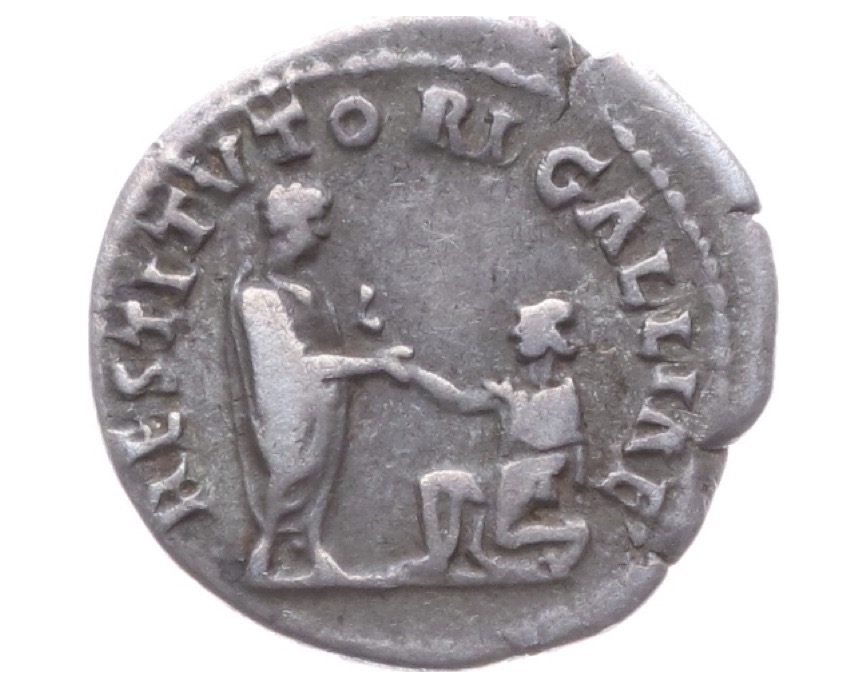
Call for Papers: Conference on Ancient Coin Legends in June 2025
From 26th to 28th June 2025 the conference “Ancient coin legends: composition, design, lexicography, and framing potential” will be held in Munich. Abstracts can be sent in until October 31st 2024.
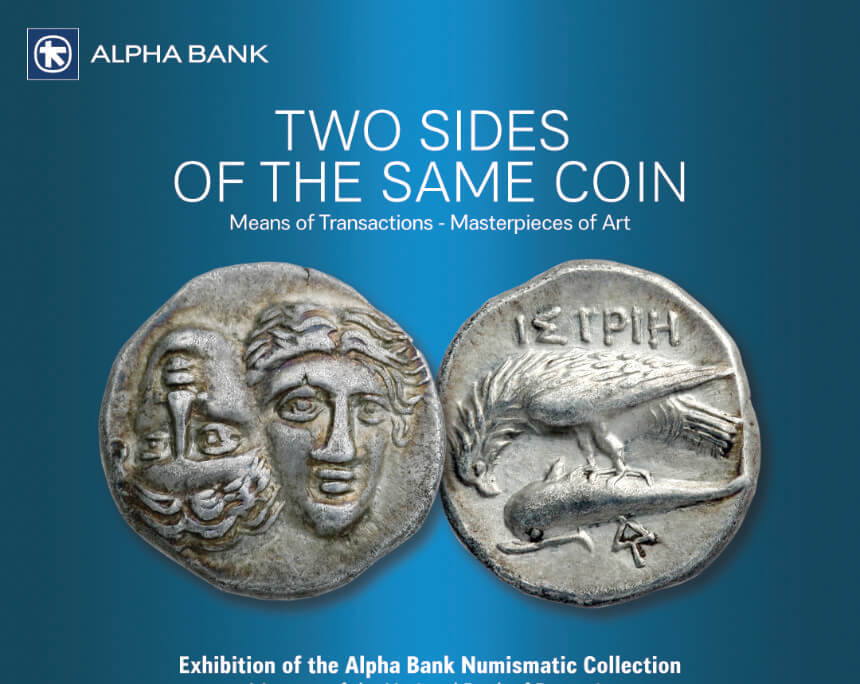
Two Sides of the Same Coin. Means of Transactions – Masterpieces of Art
In a new exhibition at the Museum of the National Bank of Romania in Bucharest, the Alpha Bank Numismatic Collection shows historically and culturally important coins and addresses their role in communication and financial education.
Archive: Coins, Medals and more
 https://new.coinsweekly.com/wp-content/uploads/2025/03/0.jpg
684
860
Sebastian Wieschowski
https://new.coinsweekly.com/wp-content/uploads/2023/01/logo-coinsweekly_590x204.png
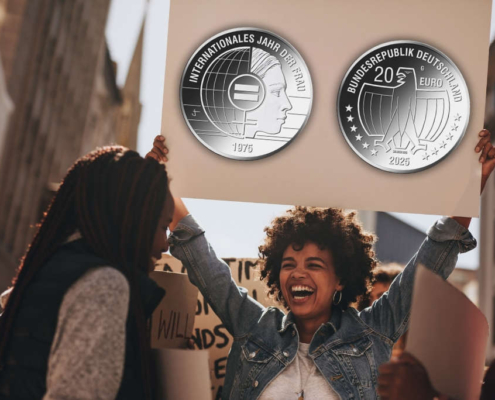
Sebastian Wieschowski2025-03-06 06:00:312025-03-06 14:32:55Women on Commemorative Coins: A Long Road to True Equality
https://new.coinsweekly.com/wp-content/uploads/2025/03/0.jpg
684
860
Sebastian Wieschowski
https://new.coinsweekly.com/wp-content/uploads/2023/01/logo-coinsweekly_590x204.png
Sebastian Wieschowski2025-03-06 06:00:312025-03-06 14:32:55Women on Commemorative Coins: A Long Road to True Equality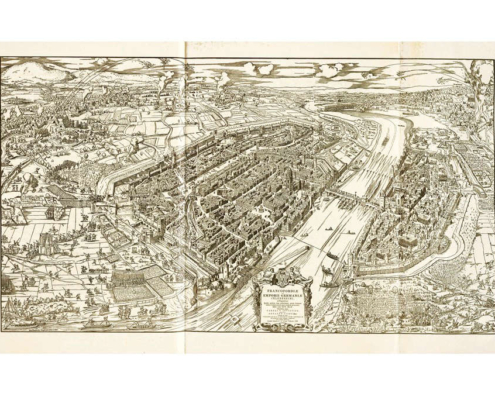 https://new.coinsweekly.com/wp-content/uploads/2023/09/2023KW38HA_00.jpg
684
860
Ursula Kampmann
https://new.coinsweekly.com/wp-content/uploads/2023/01/logo-coinsweekly_590x204.png
Ursula Kampmann2023-09-21 08:00:202023-09-21 14:13:23Two Cityscapes on Coins From Frankfurt am Main and The Artwork That Inspired Them
https://new.coinsweekly.com/wp-content/uploads/2023/09/2023KW38HA_00.jpg
684
860
Ursula Kampmann
https://new.coinsweekly.com/wp-content/uploads/2023/01/logo-coinsweekly_590x204.png
Ursula Kampmann2023-09-21 08:00:202023-09-21 14:13:23Two Cityscapes on Coins From Frankfurt am Main and The Artwork That Inspired Them
ANA eLearning Academy Now Without Access Restrictions
It is no longer necessary to be an ANA member or to log in to access the content of the American Numismatic Association’s eLearning Academy. A wealth of numismatic education opportunities is available there and easy to access.
How the Romans Made Counterfeits
Counterfeits have been around in ancient Roman times, too – usually, they were cast from a copper-tin alloy. Researchers at the University of Tübingen examined the counterfeiting process and reconstructed it experimentally. A video documents their experiment.