







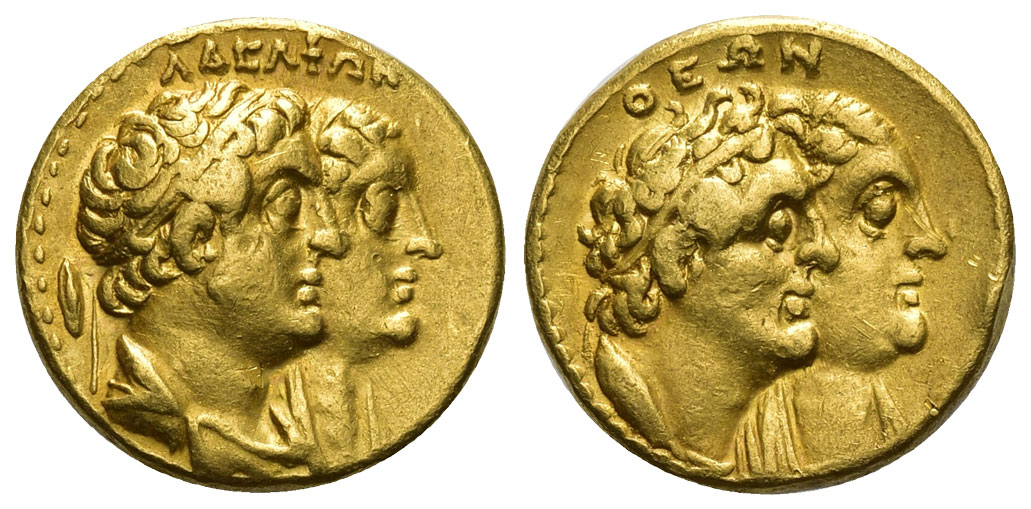
AV Tetradrachm (282–272 BC),
King Ptolemy II and Queen Arsinoe II.
From the major collection of Alexandria mint.
Condition: vf+
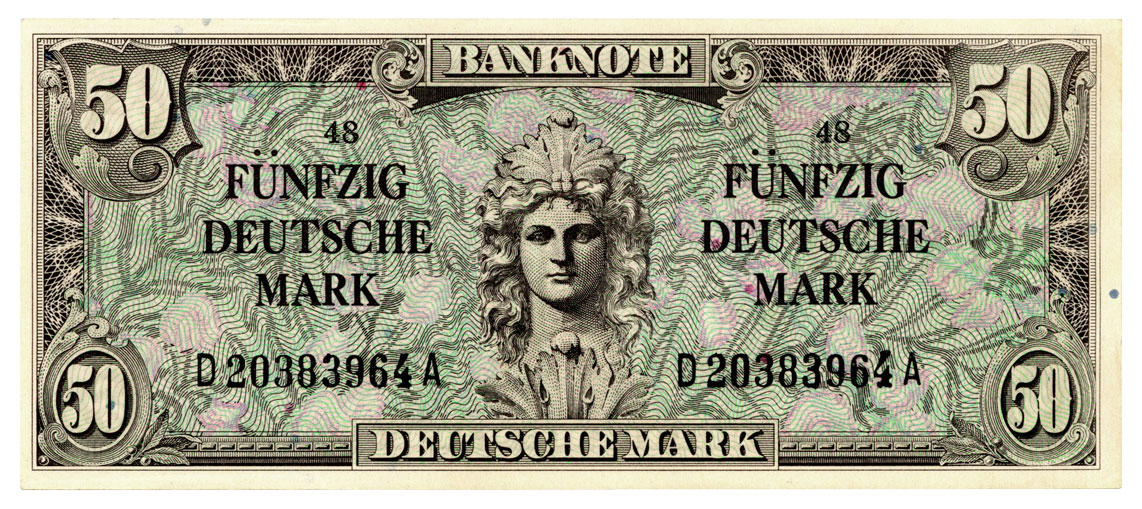
50 Deutsche Mark o.D. ( 1948-1949) "Liberty".
Condition: extremly rare, I
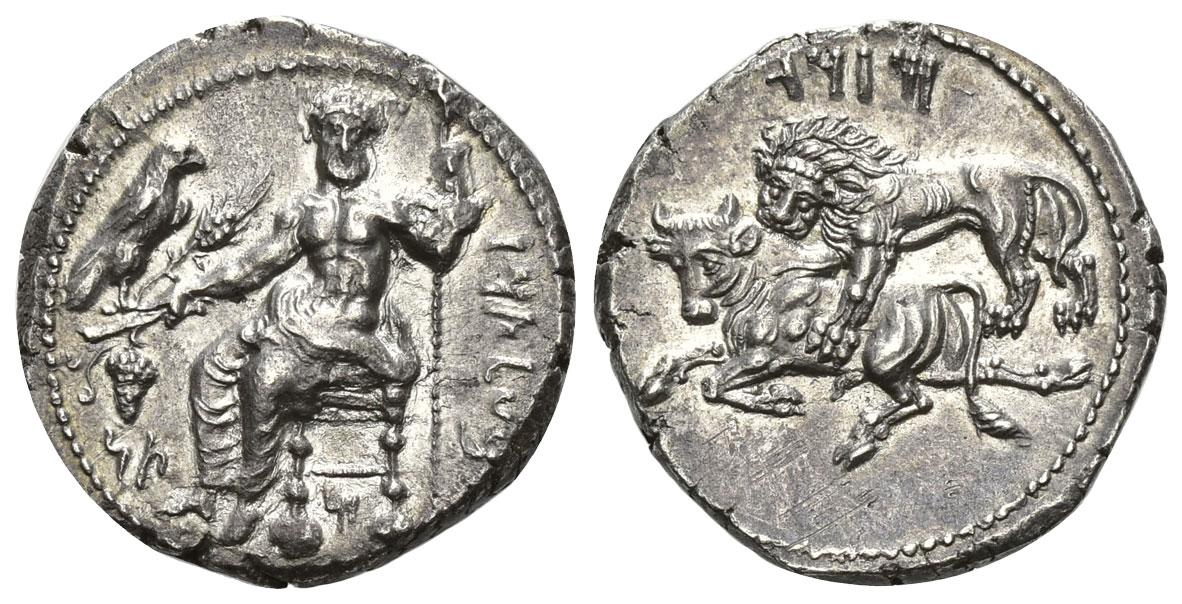
AR Stater (361-334 BC).
Obv. Baal of Tarsos.
Conditon: ef
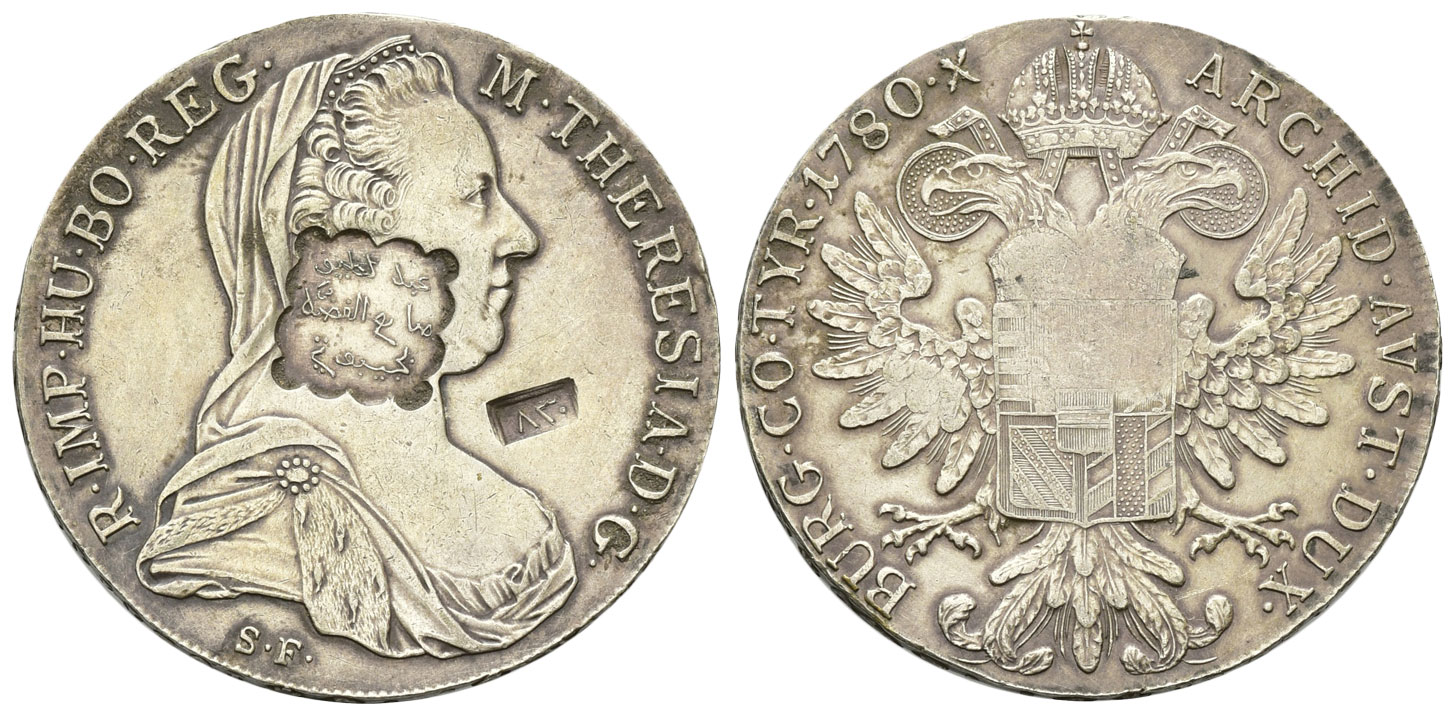
Taler 1780 SF
with counter stamp Djibouti (1870-1900).
Condition: vf
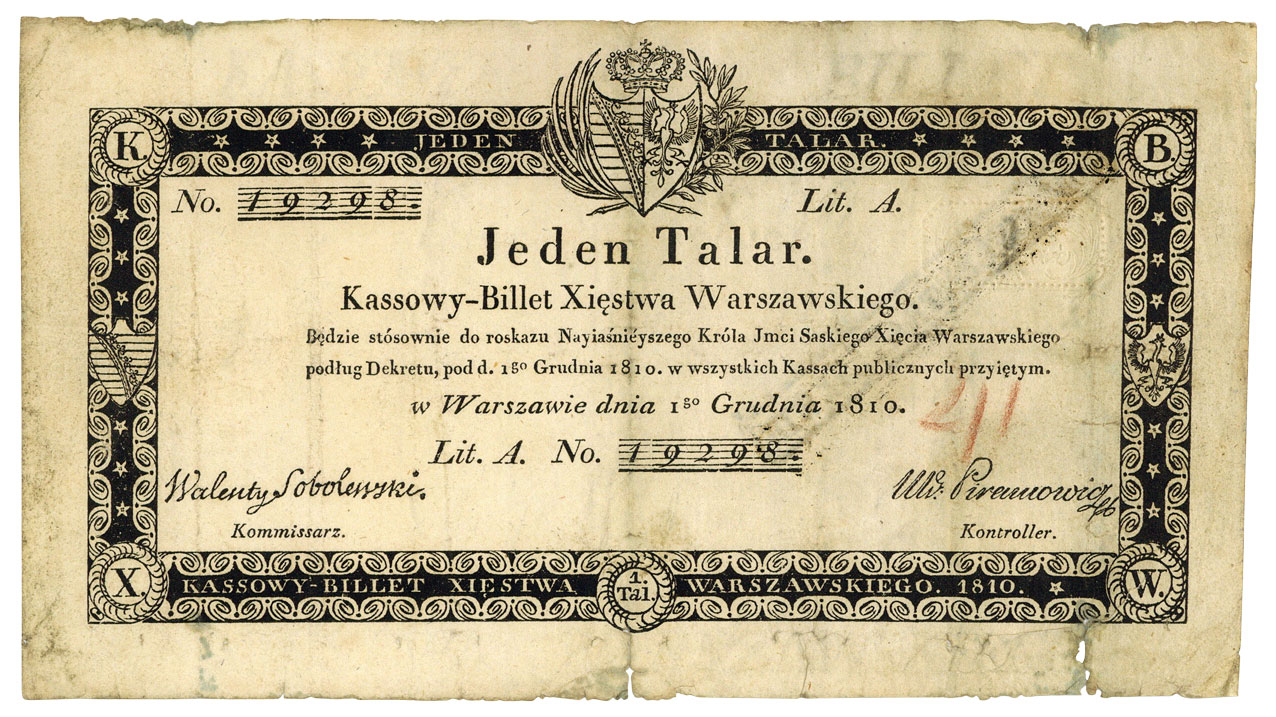
1 Talar 1. December 1810.
Condition: III-IV
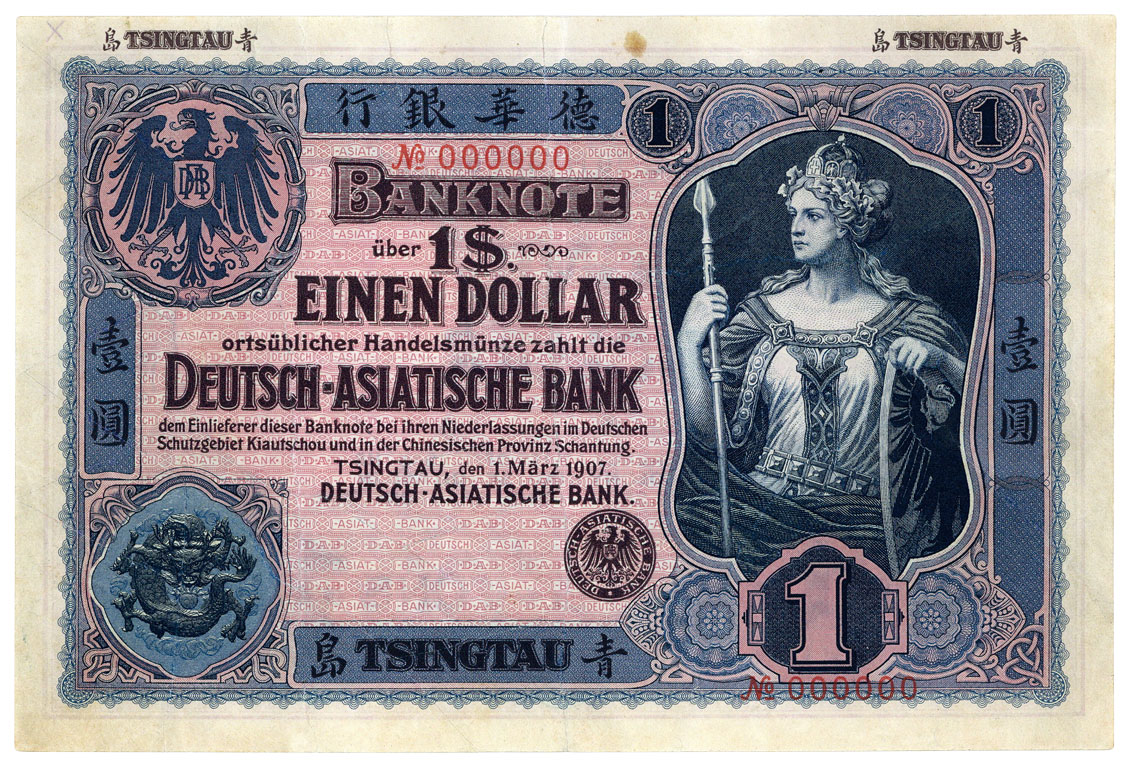
1 Dollar 1.3.1907, Tsingtao.
Condition: very rare, restored
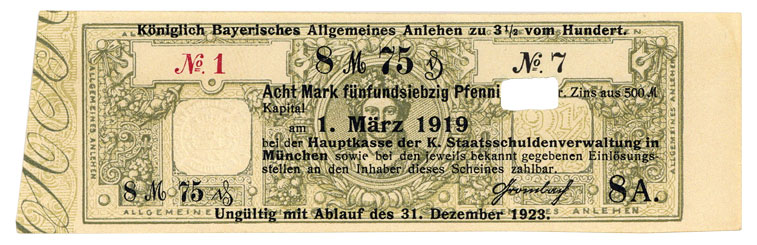
Royal Bavarian General Loan.
8.75 Marks, March 1, 1919.
Condition: rare, I
Archive: People and Markets
Decline in Print Business: MDM Announces Job Cuts
The Münzhandelsgesellschaft in Brunswick reports a decline in sales and plans to reorganise its sales and develop new products.
IAPN Asks Collectors to Help Protect Roman Coin Collecting
Will Roman coins in general be considered the cultural property of Italy by US Customs unless you can provide extensive proof of ownership? Such concerns are raised by the proposed extension of a Memorandum of Understanding between the US and Italy. The IAPN is calling on collectors to take action.
Archive: Coins, Medals and more
 https://new.coinsweekly.com/wp-content/uploads/2024/10/2024KW41HA1_00.jpg
684
860
Lucie Loechel
https://new.coinsweekly.com/wp-content/uploads/2023/01/logo-coinsweekly_590x204.png
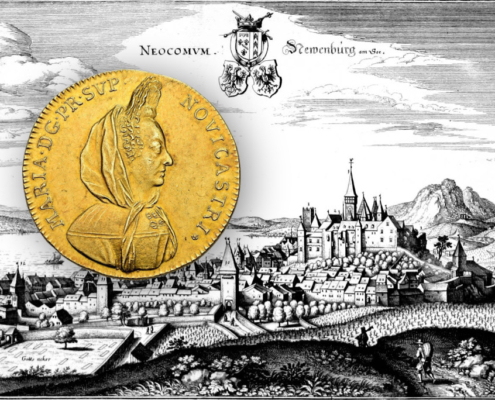
Lucie Loechel2024-10-10 13:41:242024-10-10 13:46:34Why Neuchâtel Is Not Part of France Today
https://new.coinsweekly.com/wp-content/uploads/2024/10/2024KW41HA1_00.jpg
684
860
Lucie Loechel
https://new.coinsweekly.com/wp-content/uploads/2023/01/logo-coinsweekly_590x204.png
Lucie Loechel2024-10-10 13:41:242024-10-10 13:46:34Why Neuchâtel Is Not Part of France Today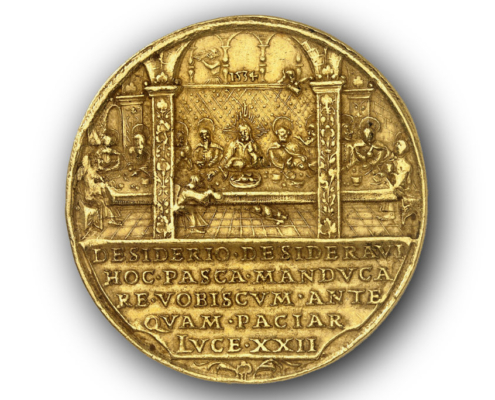 https://new.coinsweekly.com/wp-content/uploads/2025/01/2025KW02HA_00.jpg
684
860
Lucie Loechel
https://new.coinsweekly.com/wp-content/uploads/2023/01/logo-coinsweekly_590x204.png
Lucie Loechel2025-01-09 10:35:332025-01-09 14:45:59Joachimsthal and the Reformation
https://new.coinsweekly.com/wp-content/uploads/2025/01/2025KW02HA_00.jpg
684
860
Lucie Loechel
https://new.coinsweekly.com/wp-content/uploads/2023/01/logo-coinsweekly_590x204.png
Lucie Loechel2025-01-09 10:35:332025-01-09 14:45:59Joachimsthal and the Reformation
Counterfeiters of Hundreds of Thousands of Euro Coins Arrested
A large-scale counterfeiting workshop has been raided in Spain. The culprits put half a million fake 2-euro coins in circulation throughout Europe. Read on to find out how the perpetrators evaded the police for years and how you can identify the counterfeits.
Washington University Presents Seven Numismatic Exhibits
Washington University’s Olin Library announces seven numismatic exhibits that are now open to the public and will run through July 7, 2024. The library features such exhibits on a rotating basis, with recent installations covering the history of play money, World War II internment camp issues, and other subjects. In addition to exhibits, the library’s numismatic mission includes the administration of the Newman Numismatic Portal.