







Archive: People and Markets

Ephesus Experience Museum – Symphony on a World Heritage Site
Visitors to the ruins of ancient Ephesus will now find an additional museum on the site. The focus here is not on originals, but on atmospheric installations and technical projections of the highest standard. The experience was created by Atelier Brückner.
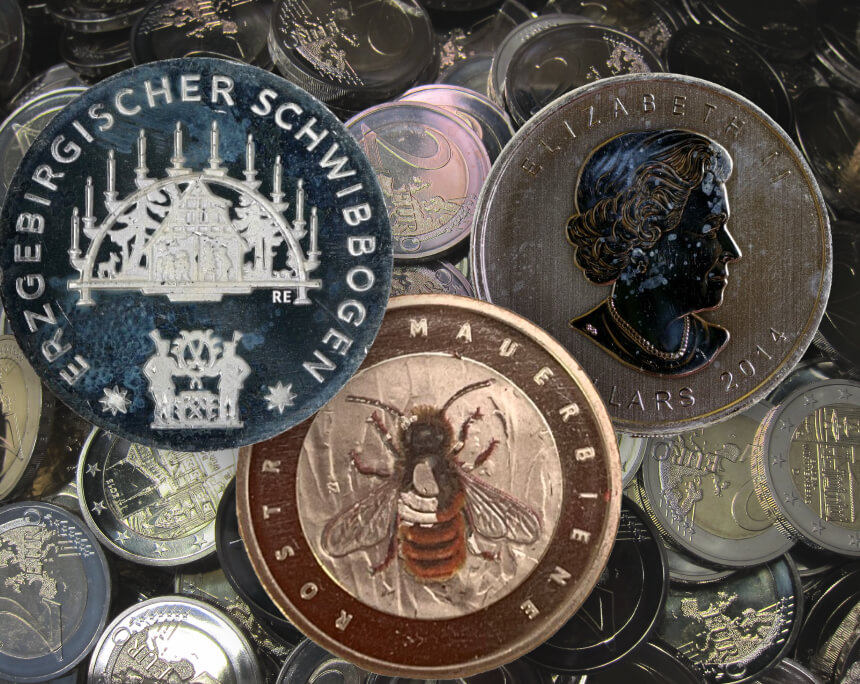
An “Error Coin” No Collector Is Happy About
The quality of the country’s collector coins is the subject of heated debate in Germany. This regards silver coins and colour issues. But the problem is not limited to German mints – the phenomenon of “milk spots” in particular is a major concern for coin producers around the world.
Archive: Coins, Medals and more
 https://new.coinsweekly.com/wp-content/uploads/2023/05/00HASinconaProbe1820.jpg
684
860
Ursula Kampmann
https://new.coinsweekly.com/wp-content/uploads/2023/01/logo-coinsweekly_590x204.png
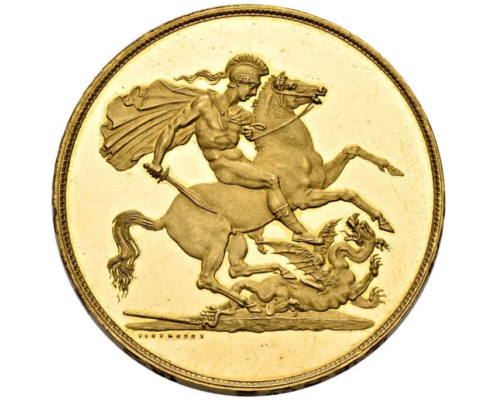
Ursula Kampmann2023-05-11 09:04:372023-05-12 13:41:02As the King Lay Dying… – The Most Spectacular British Gold Coin of the Modern Era
https://new.coinsweekly.com/wp-content/uploads/2023/05/00HASinconaProbe1820.jpg
684
860
Ursula Kampmann
https://new.coinsweekly.com/wp-content/uploads/2023/01/logo-coinsweekly_590x204.png
Ursula Kampmann2023-05-11 09:04:372023-05-12 13:41:02As the King Lay Dying… – The Most Spectacular British Gold Coin of the Modern Era https://new.coinsweekly.com/wp-content/uploads/2024/03/00-2024KW13aHauptartikel_00.jpg
684
860
Sebastian Wieschowski
https://new.coinsweekly.com/wp-content/uploads/2023/01/logo-coinsweekly_590x204.png
Sebastian Wieschowski2024-03-28 08:00:342024-03-28 10:58:28Croatia’s First Year as a Euro Country: A New Era for Coin Collectors and the Croatian Mint
https://new.coinsweekly.com/wp-content/uploads/2024/03/00-2024KW13aHauptartikel_00.jpg
684
860
Sebastian Wieschowski
https://new.coinsweekly.com/wp-content/uploads/2023/01/logo-coinsweekly_590x204.png
Sebastian Wieschowski2024-03-28 08:00:342024-03-28 10:58:28Croatia’s First Year as a Euro Country: A New Era for Coin Collectors and the Croatian Mint
Leu Numismatik Launches Its Own Web Shop
The new Leu Numismatik Web Shop allows you to purchase selected pieces directly at any time. The inaugural selection features 200 exceptional coins spanning antiquity, the Middle Ages, and modern times.
ANS awards Collier Prize to Moneda Ibérica
For the second time, the American Numismatic Society awarded the Collier Prize to an outstanding book, catalog, or digital work in the field of ancient numismatics. This year, the honor went to Moneda Ibérica, a digital catalog for ancient coins of the Iberian Peninsula.