











Archive: People and Markets
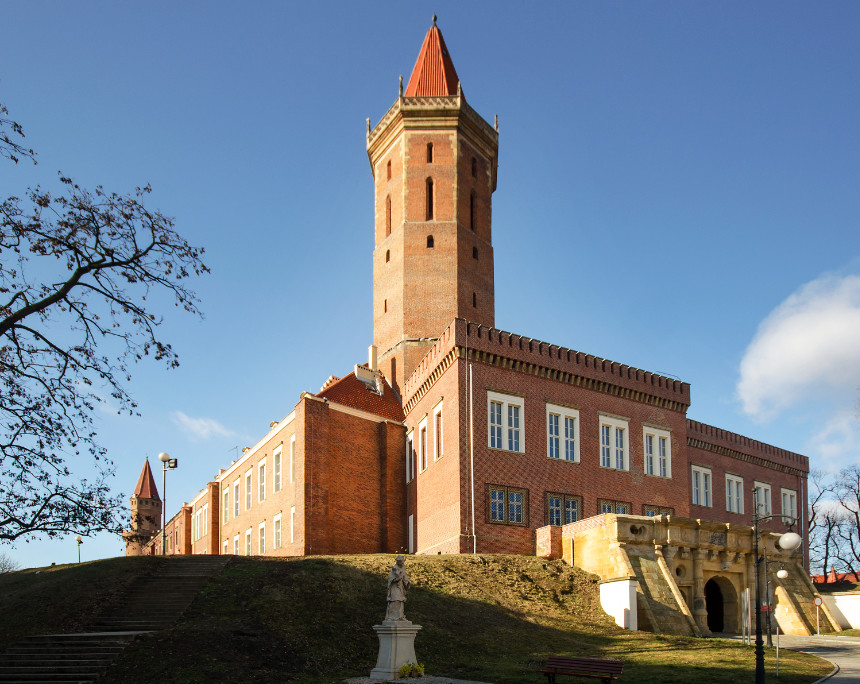
Numismatica Centroeuropaea Conference in Legnica
On 16-19 September 2025, the eighth Numismatica Centroeuropaea Conference will take Place in Legnica, Poland. The topic is “Money of the Dynasties.” A dedicated webpage with up-to-date information on the conference is now available.
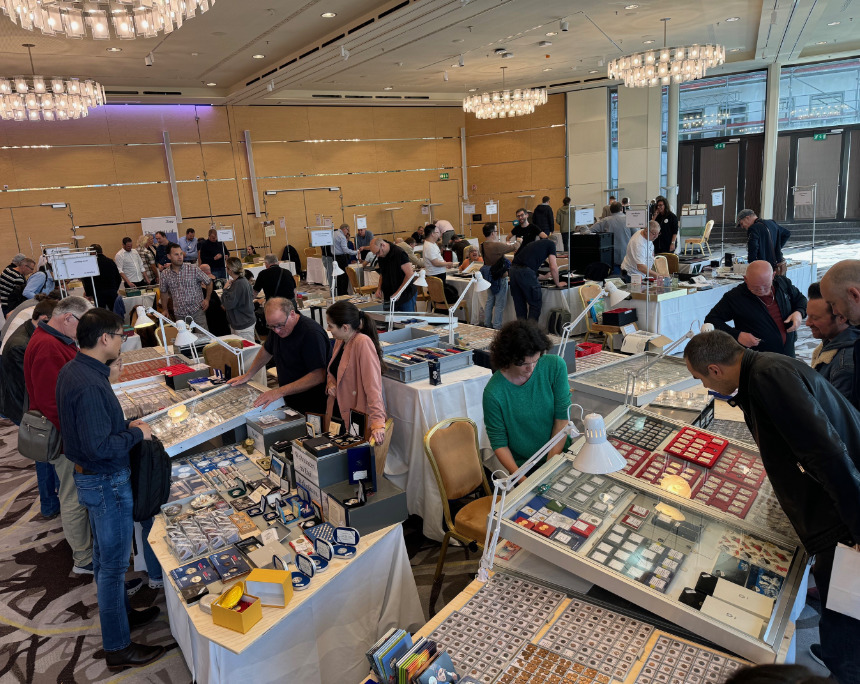
Numindex Update: Prices for Mid-Grade Coins Are on the Rise
Even the Prices for mid-grade coins are on the rise at the moment. That is confirmed by the coin price index numindex. Michael Zagorowski tells us about the causes and recent observations in the trade and at coin shows.
Archive: Coins, Medals and more
 https://new.coinsweekly.com/wp-content/uploads/2024/11/2024KW47HA1_00.jpg
684
860
Lucie Loechel
https://new.coinsweekly.com/wp-content/uploads/2023/01/logo-coinsweekly_590x204.png
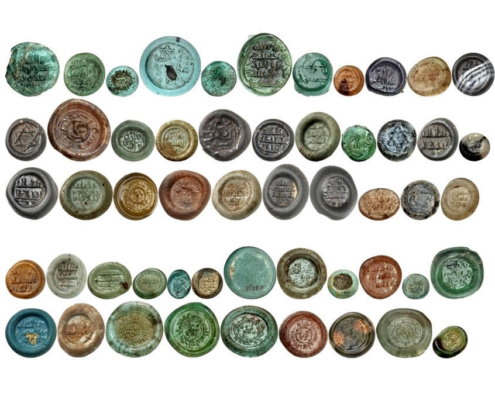
Lucie Loechel2024-11-21 10:15:332024-11-21 10:15:50Important Collection of Islamic Glass Weights at Numismatica Genevensis SA
https://new.coinsweekly.com/wp-content/uploads/2024/11/2024KW47HA1_00.jpg
684
860
Lucie Loechel
https://new.coinsweekly.com/wp-content/uploads/2023/01/logo-coinsweekly_590x204.png
Lucie Loechel2024-11-21 10:15:332024-11-21 10:15:50Important Collection of Islamic Glass Weights at Numismatica Genevensis SA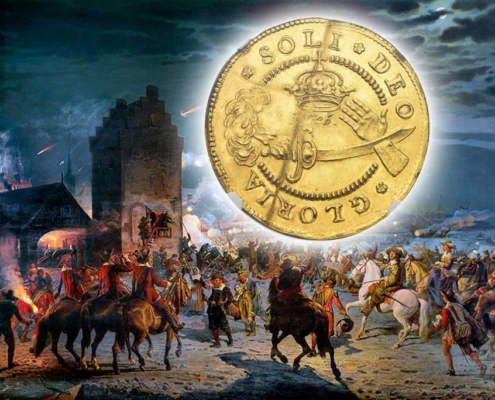 https://new.coinsweekly.com/wp-content/uploads/2024/10/2024KW40HA1_00.jpg
684
860
Bruno
https://new.coinsweekly.com/wp-content/uploads/2023/01/logo-coinsweekly_590x204.png
Bruno2024-10-02 13:27:042024-10-02 15:38:36Frederick III of Denmark and Eben Ezer
https://new.coinsweekly.com/wp-content/uploads/2024/10/2024KW40HA1_00.jpg
684
860
Bruno
https://new.coinsweekly.com/wp-content/uploads/2023/01/logo-coinsweekly_590x204.png
Bruno2024-10-02 13:27:042024-10-02 15:38:36Frederick III of Denmark and Eben Ezer
CoinsWeekly News in the Coiniverse App
The Coiniverse app helps its users identify coins and manage their own collections, while CoinsWeekly provides in-depth information on numismatic topics from around the world. As a new feature, Coiniverse users can now access CoinsWeekly articles directly in the app.
Stack’s Bowers Galleries Opening New Office in Copenhagen
Stack’s Bowers Galleries have opened their newest office in the heart of Copenhagen, Denmark. The team consists of the experienced numismatists Michael Fornitz, Henrik Berndt and Peter Bjørnstrup.