






Archive: People and Markets

Heimerle + Meule Group becomes HM Precious Metals
Following a number of major acquisitions in recent months, the Heimerle + Meule Group is now adapting its name – not least to make it easier to pronounce internationally.

The Great Philly Pocket Change Heist
In the US, four men are standing trial as they allegedly stole coins worth 234,500 dollars from a truck. That was a ton of work. since their loot consisted of more than 2 million dimes, which were difficult to transport and even harder to spend…
Archive: Coins, Medals and more
 https://new.coinsweekly.com/wp-content/uploads/2025/04/2025KW16HA03_00.jpg
684
860
Lucie Loechel
https://new.coinsweekly.com/wp-content/uploads/2023/01/logo-coinsweekly_590x204.png
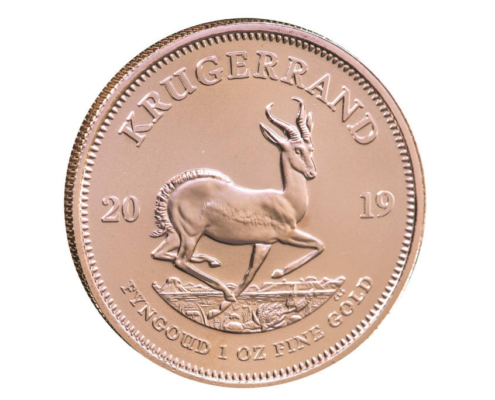
Lucie Loechel2025-04-17 08:26:292025-04-17 11:49:37The Birth of the Krugerrand
https://new.coinsweekly.com/wp-content/uploads/2025/04/2025KW16HA03_00.jpg
684
860
Lucie Loechel
https://new.coinsweekly.com/wp-content/uploads/2023/01/logo-coinsweekly_590x204.png
Lucie Loechel2025-04-17 08:26:292025-04-17 11:49:37The Birth of the Krugerrand https://new.coinsweekly.com/wp-content/uploads/2024/08/2024KW35HA_00.jpg
684
860
Sebastian Wieschowski
https://new.coinsweekly.com/wp-content/uploads/2023/01/logo-coinsweekly_590x204.png
Sebastian Wieschowski2024-08-29 08:00:232024-08-29 09:45:04Marks and Pfennigs in Your Inheritance: What Should Heirs Do with Old DM Coins?
https://new.coinsweekly.com/wp-content/uploads/2024/08/2024KW35HA_00.jpg
684
860
Sebastian Wieschowski
https://new.coinsweekly.com/wp-content/uploads/2023/01/logo-coinsweekly_590x204.png
Sebastian Wieschowski2024-08-29 08:00:232024-08-29 09:45:04Marks and Pfennigs in Your Inheritance: What Should Heirs Do with Old DM Coins?
New Coin Sets Mark 70th Anniversary of the Godzilla Series
To commemorate the 70th anniversary of the Godzilla series, two new coin sets have been released: the 70th Anniversary of GODZILLA Series BU Coin Set and the 70th Anniversary of GODZILLA Series 2024 Proof Coin Set.
Jewish-American Hall of Fame honors Julius Rosenwald and Booker T. Washington
The Jewish-American Hall of Fame is celebrating May as Jewish American Heritage Month by issuing art medals honoring Julius Rosenwald, who appears along with his friend and associate Booker T. Washington. These Renaissance-style high relief medals are the 56th in the longest continuing series of art medals in America.