







Archive: People and Markets
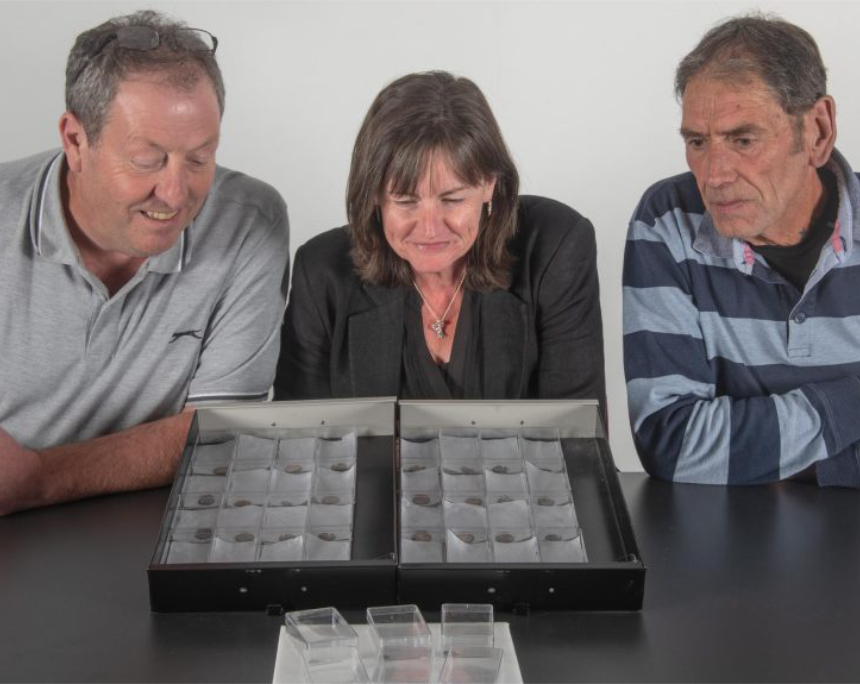
Hoard of Viking Coins Unearthed on the Isle of Man
The Isle of Man’s rich Viking legacy has been further enhanced by the discovery of the Island’s latest treasure hoard.
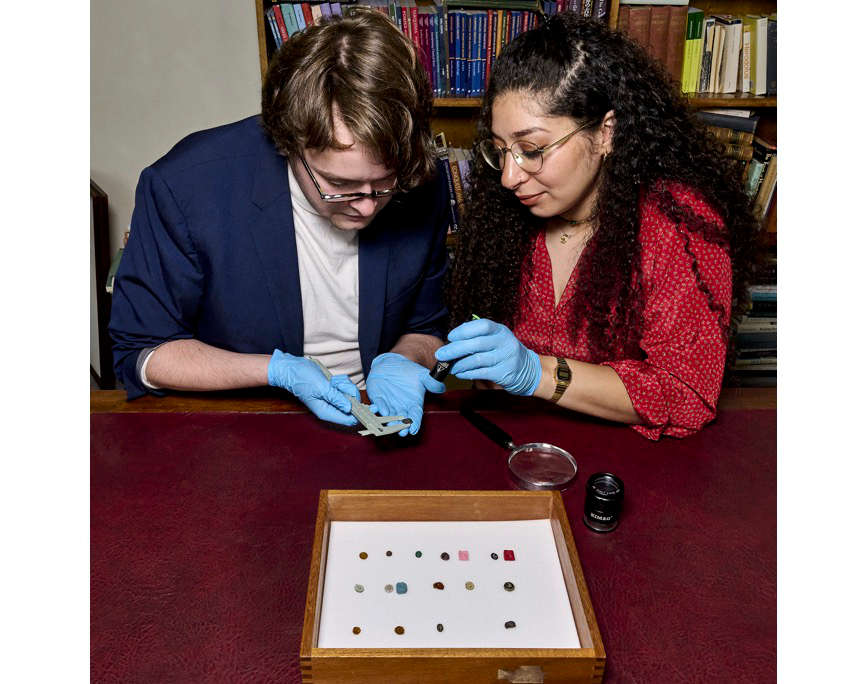
Further Recoveries of British Museum Objects
The British Museum has announced the return of a further 268 missing objects, taking the total number of recovered items to 626. The museum also confirmed that it is currently working on new leads for around 100 additional objects.
Archive: Coins, Medals and more
 https://new.coinsweekly.com/wp-content/uploads/2024/08/2024KW35HA_00.jpg
684
860
Sebastian Wieschowski
https://new.coinsweekly.com/wp-content/uploads/2023/01/logo-coinsweekly_590x204.png
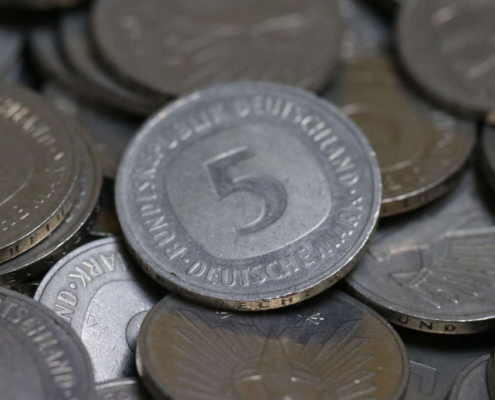
Sebastian Wieschowski2024-08-29 08:00:232024-08-29 09:45:04Marks and Pfennigs in Your Inheritance: What Should Heirs Do with Old DM Coins?
https://new.coinsweekly.com/wp-content/uploads/2024/08/2024KW35HA_00.jpg
684
860
Sebastian Wieschowski
https://new.coinsweekly.com/wp-content/uploads/2023/01/logo-coinsweekly_590x204.png
Sebastian Wieschowski2024-08-29 08:00:232024-08-29 09:45:04Marks and Pfennigs in Your Inheritance: What Should Heirs Do with Old DM Coins?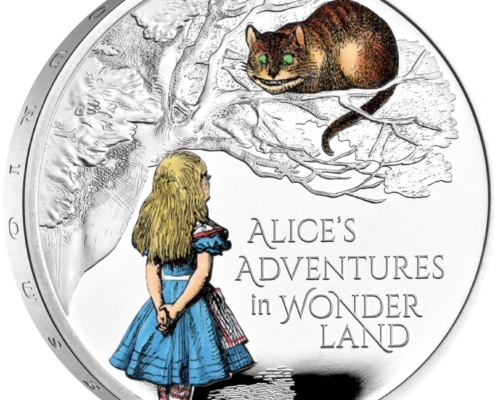 https://new.coinsweekly.com/wp-content/uploads/2023/06/CoCo06_09c.jpg
1369
1331
Ursula Kampmann
https://new.coinsweekly.com/wp-content/uploads/2023/01/logo-coinsweekly_590x204.png
Ursula Kampmann2022-06-13 10:49:272023-06-29 10:51:03Courageous Girls in the Coin Wonderland
https://new.coinsweekly.com/wp-content/uploads/2023/06/CoCo06_09c.jpg
1369
1331
Ursula Kampmann
https://new.coinsweekly.com/wp-content/uploads/2023/01/logo-coinsweekly_590x204.png
Ursula Kampmann2022-06-13 10:49:272023-06-29 10:51:03Courageous Girls in the Coin Wonderland
US Coin Dealer Robbed in Madrid
The Numismatic Crime Information Center notified us that Don Kagin was the victim of a theft that occurred in a shop in Madrid, Spain. Find out more about the stolen coins and the thieves’ modus operandi here.
Take a Virtual Tour Through the ANA’s Americana Gallery
The Americana Gallery at the ANA Money Museum guides visitors through the history of money in the United States, with many rarities of American numismatics on display. Now, you can explore this exhibition from the comfort of your home, thanks to a newly launched virtual tour.