






Archive: People and Markets

PMG Now Grading Banknotes Year-round in Munich
The introduction of full-time PMG grading services in Munich, initially available for the Bulk and Modern tiers, marks a new expansion of the company’s services for the paper money collecting community in Europe.
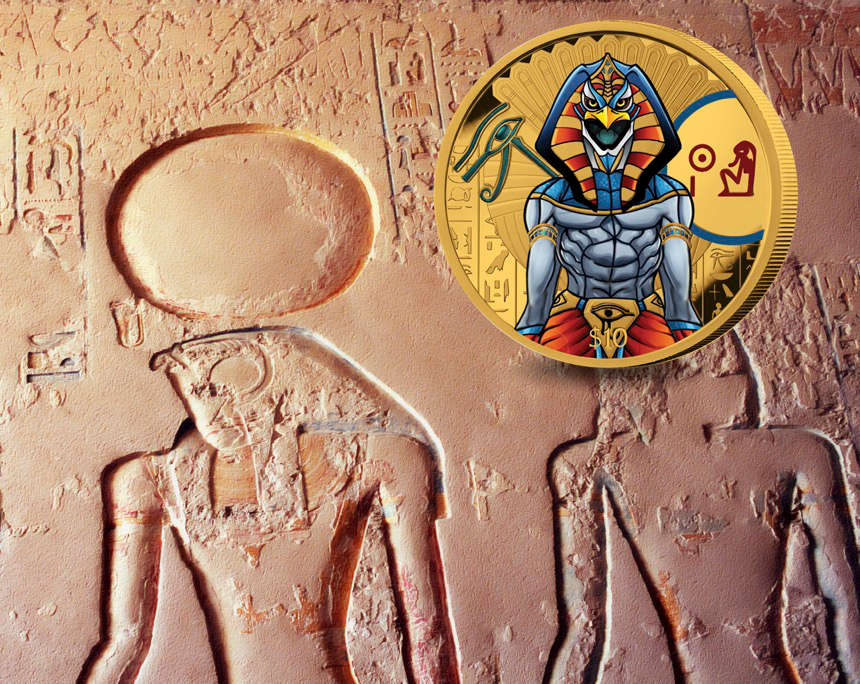
Pobjoy Mint Features Egyptian God Ra
The Egyptologist Thomas Young made significant contributions to the decipherment of Egyptian hieroglyphics. On the occasion of his 250th birthday, Pobjoy’s releases its 2023 Egyptian Gods Series. The third coin in the series features the God Ra.
Archive: Coins, Medals and more
 https://new.coinsweekly.com/wp-content/uploads/2025/01/2025KW02HA_00.jpg
684
860
Lucie Loechel
https://new.coinsweekly.com/wp-content/uploads/2023/01/logo-coinsweekly_590x204.png
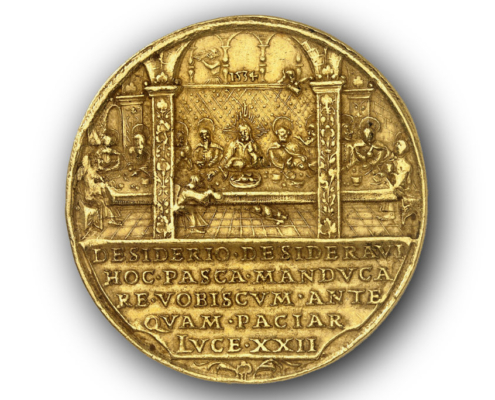
Lucie Loechel2025-01-09 10:35:332025-01-09 14:45:59Joachimsthal and the Reformation
https://new.coinsweekly.com/wp-content/uploads/2025/01/2025KW02HA_00.jpg
684
860
Lucie Loechel
https://new.coinsweekly.com/wp-content/uploads/2023/01/logo-coinsweekly_590x204.png
Lucie Loechel2025-01-09 10:35:332025-01-09 14:45:59Joachimsthal and the Reformation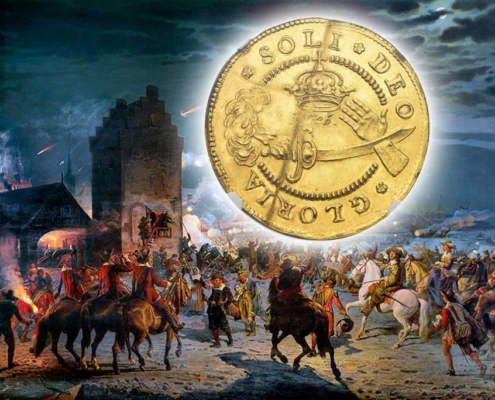 https://new.coinsweekly.com/wp-content/uploads/2024/10/2024KW40HA1_00.jpg
684
860
Bruno
https://new.coinsweekly.com/wp-content/uploads/2023/01/logo-coinsweekly_590x204.png
Bruno2024-10-02 13:27:042024-10-02 15:38:36Frederick III of Denmark and Eben Ezer
https://new.coinsweekly.com/wp-content/uploads/2024/10/2024KW40HA1_00.jpg
684
860
Bruno
https://new.coinsweekly.com/wp-content/uploads/2023/01/logo-coinsweekly_590x204.png
Bruno2024-10-02 13:27:042024-10-02 15:38:36Frederick III of Denmark and Eben Ezer
2-Euro Ticker: New 2-Euro Coins in July 2024
Croatia excites 2-euro collectors with a new city series – and significant improvements in minting quality. Portugal’s online shop has not been running smoothly.
Sofia Numismatic School 2023
The Sofia Numismatic School 2023 discusses ancient numismatics. A focus will be on the implementation of innovative digital methodology and the concept of Digital Numismatics. Graduate and postgraduate students can still apply!