







Archive: People and Markets
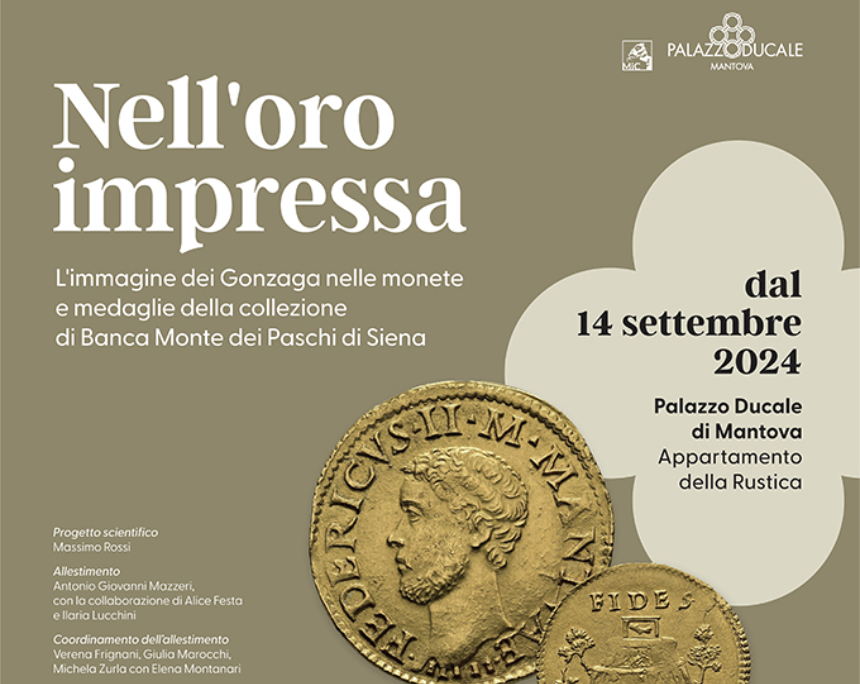
New Permanent Coin Exhibition at the Ducal Palace of Mantua
The most comprehensive collection of Mantua and Gonzaga coins and medals is now on long-term display at the Ducal Palace of Mantua. The exhibition is curated by numismatist Massimo Rossi.
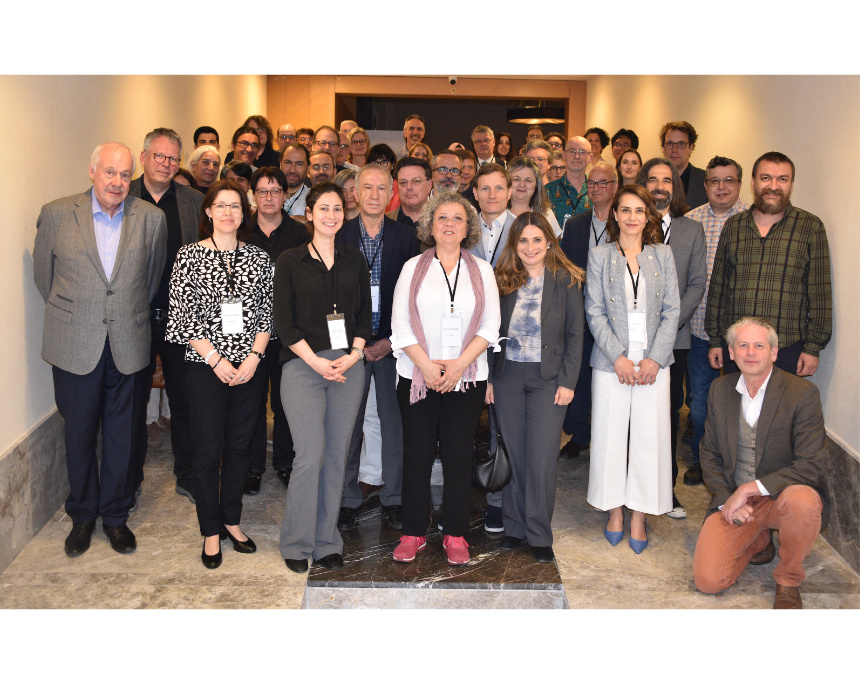
A Numismatic Congress That Will Be Remembered
The 3rd International Congress on the History of Money and Numismatics of the Research Center for Mediterranean Cultures (AKMED) took place in Antalya at the beginning of April. Prof. Johannes Nollé reports on why he believes this congress will remain unforgettable for all participants.
Archive: Coins, Medals and more
 https://new.coinsweekly.com/wp-content/uploads/2024/05/2024KW21HA_00.jpg
684
860
Ursula Kampmann
https://new.coinsweekly.com/wp-content/uploads/2023/01/logo-coinsweekly_590x204.png
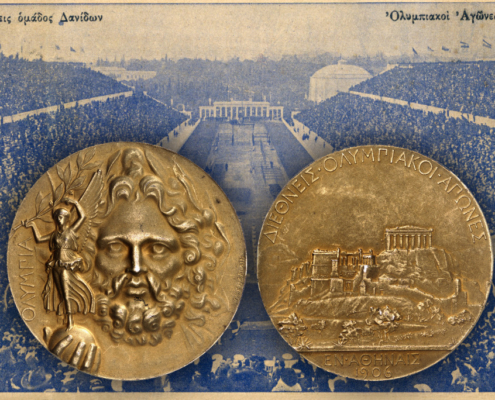
Ursula Kampmann2024-05-23 10:47:532024-05-23 11:04:37The Olympic Games That Are No Longer Recognized
https://new.coinsweekly.com/wp-content/uploads/2024/05/2024KW21HA_00.jpg
684
860
Ursula Kampmann
https://new.coinsweekly.com/wp-content/uploads/2023/01/logo-coinsweekly_590x204.png
Ursula Kampmann2024-05-23 10:47:532024-05-23 11:04:37The Olympic Games That Are No Longer Recognized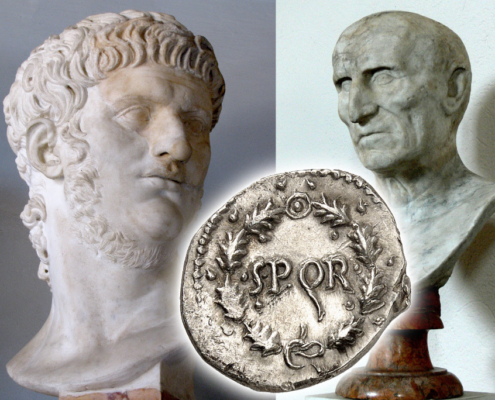 https://new.coinsweekly.com/wp-content/uploads/2024/11/2024KW45HA1_00.jpg
684
860
Bruno
https://new.coinsweekly.com/wp-content/uploads/2023/01/logo-coinsweekly_590x204.png
Bruno2024-11-07 08:49:152024-11-08 14:14:32The Roman Civil War of 68/9: The Prelude to the Year of the Four Emperors
https://new.coinsweekly.com/wp-content/uploads/2024/11/2024KW45HA1_00.jpg
684
860
Bruno
https://new.coinsweekly.com/wp-content/uploads/2023/01/logo-coinsweekly_590x204.png
Bruno2024-11-07 08:49:152024-11-08 14:14:32The Roman Civil War of 68/9: The Prelude to the Year of the Four Emperors
Counterfeiters of Hundreds of Thousands of Euro Coins Arrested
A large-scale counterfeiting workshop has been raided in Spain. The culprits put half a million fake 2-euro coins in circulation throughout Europe. Read on to find out how the perpetrators evaded the police for years and how you can identify the counterfeits.
Hideo Futahashi (†2024)
We have only now learned that Hideo Futahashi has passed away. Mr. Futahashi was a key figure for Europeans looking to gain a foothold in the Japanese coin market. He was one of those open-minded Japanese who loved introducing European coin enthusiasts to the beauty of his country.