







Archive: People and Markets
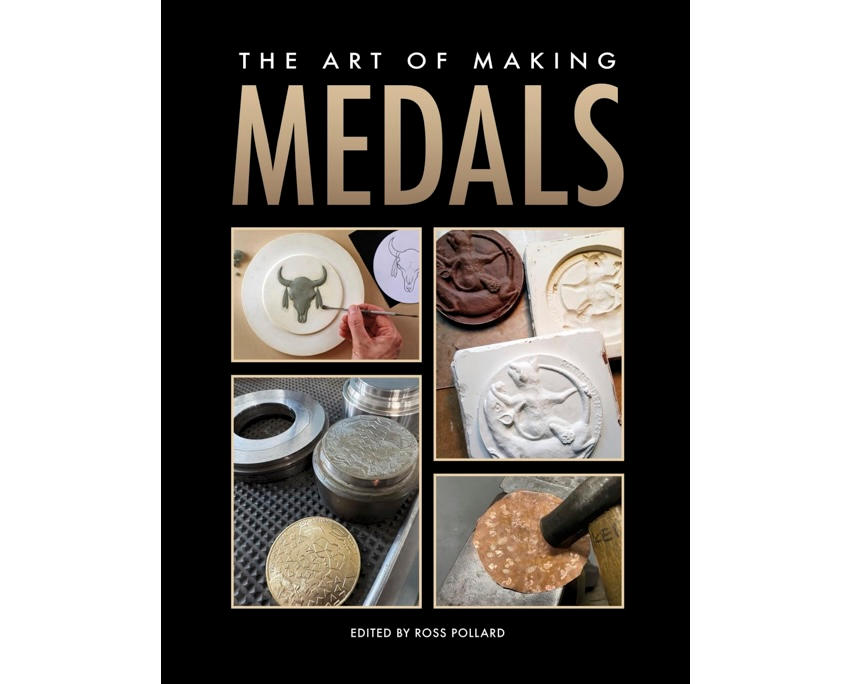
“The Art of Making Medals” Published
What Goes Into Making a Medal? Editor Ross Pollard has packed his new book “The Art of Making Medals” with practical, first-hand insights from contemporary artists into the fascinating world of medallic sculpture. Each chapter was contributed by a member of the American Medallic Sculpture Association and documents the creation of an original medal from start to finish.
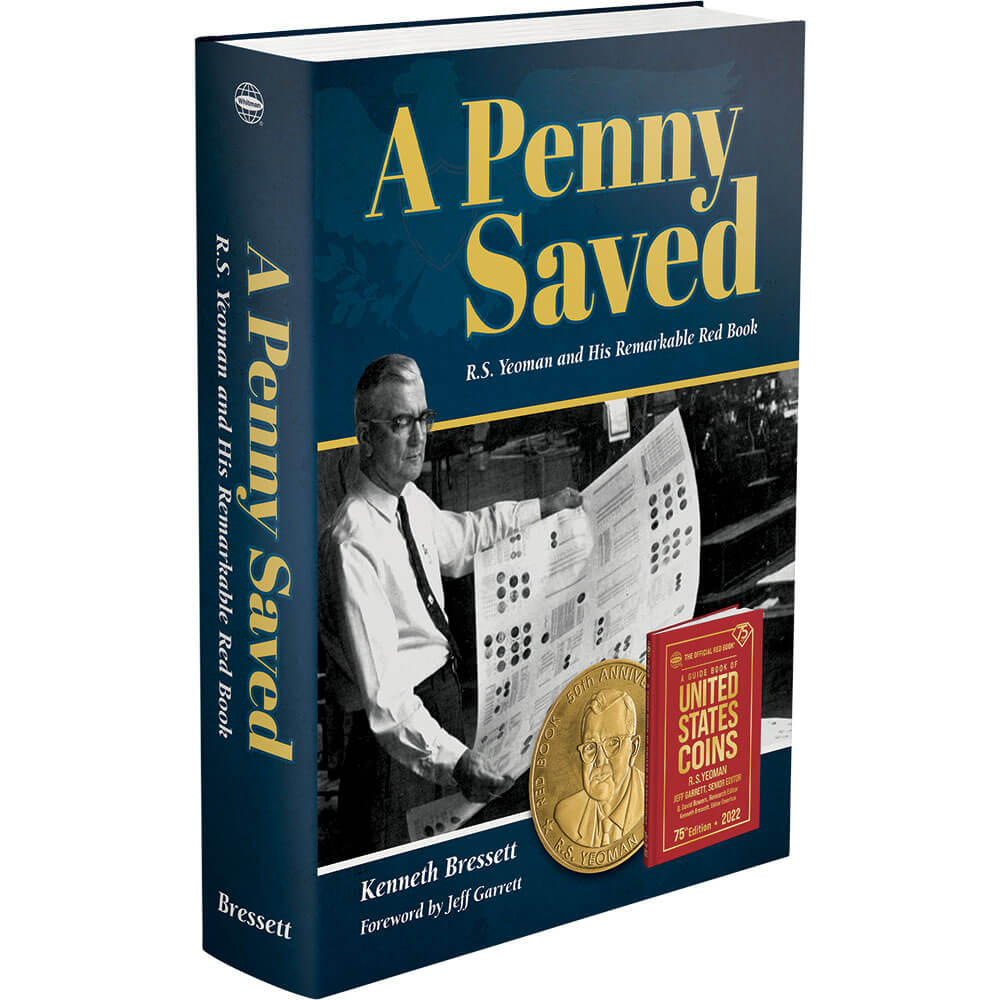
The “Red Book” and Its Two Fathers
Kenneth Bressett’s memoir “A Penny Saved” celebrates the life of Bressett’s mentor, hobby legend Richard S. Yeo and author of the “Red Book”. Joel J. Orosz explains what numismatics owes both of them.
Archive: Coins, Medals and more
 https://new.coinsweekly.com/wp-content/uploads/2023/09/2023KW39HA_00b.jpg
684
860
Ursula Kampmann
https://new.coinsweekly.com/wp-content/uploads/2023/01/logo-coinsweekly_590x204.png
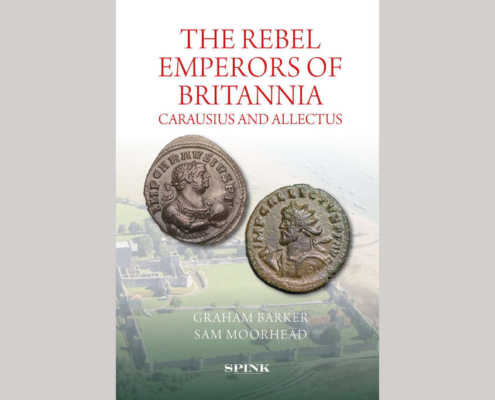
Ursula Kampmann2023-09-28 08:28:482023-09-28 12:21:21Rebel Emperors of Britannia: Carausius and Allectus
https://new.coinsweekly.com/wp-content/uploads/2023/09/2023KW39HA_00b.jpg
684
860
Ursula Kampmann
https://new.coinsweekly.com/wp-content/uploads/2023/01/logo-coinsweekly_590x204.png
Ursula Kampmann2023-09-28 08:28:482023-09-28 12:21:21Rebel Emperors of Britannia: Carausius and Allectus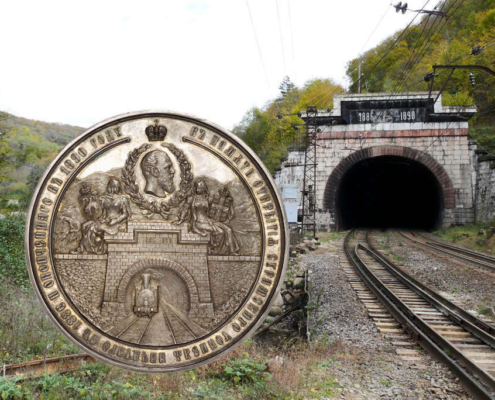 https://new.coinsweekly.com/wp-content/uploads/2024/06/2024KW23HA_00.jpg
684
860
Ursula Kampmann
https://new.coinsweekly.com/wp-content/uploads/2023/01/logo-coinsweekly_590x204.png
Ursula Kampmann2024-06-06 10:42:582024-06-06 12:38:59For Railroad Fans: The Suram Tunnel
https://new.coinsweekly.com/wp-content/uploads/2024/06/2024KW23HA_00.jpg
684
860
Ursula Kampmann
https://new.coinsweekly.com/wp-content/uploads/2023/01/logo-coinsweekly_590x204.png
Ursula Kampmann2024-06-06 10:42:582024-06-06 12:38:59For Railroad Fans: The Suram Tunnel
Royal Mint Discontinues Rose Gold Alloy for Sovereign Coins
The Royal Mint has unveiled the Sovereign collection for 2025, alongside a major announcement regarding the coin’s future composition.
CDN Acquires Whitman: What Does This Mean for the Coin Market?
CDN Publishing acquires Whitman Publishing: who is behind the companies and why will this deal affect the international and US coin markets? A commentary by Ursula Kampmann.