











Archive: People and Markets

Peter K. Tompa Appointed as New IAPN Executive Director
The International Association of Professional Numismatists (IAPN) has a new Executive Director: Peter K. Tompa succeeds Jean-Luc Van der Schueren.
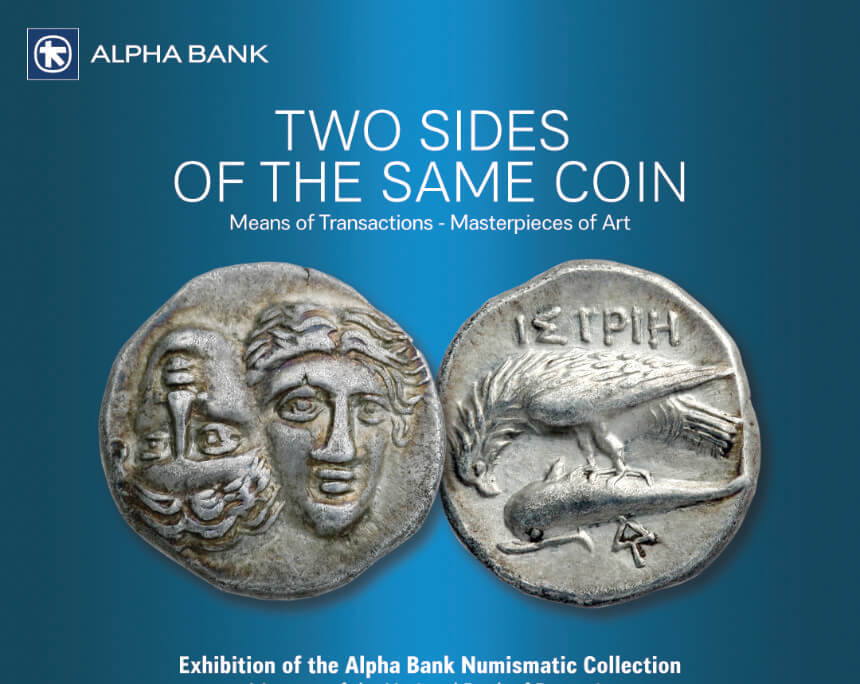
Two Sides of the Same Coin. Means of Transactions – Masterpieces of Art
In a new exhibition at the Museum of the National Bank of Romania in Bucharest, the Alpha Bank Numismatic Collection shows historically and culturally important coins and addresses their role in communication and financial education.
Archive: Coins, Medals and more
 https://new.coinsweekly.com/wp-content/uploads/2024/02/2024KW06HA_00.jpg
684
860
Ursula Kampmann
https://new.coinsweekly.com/wp-content/uploads/2023/01/logo-coinsweekly_590x204.png
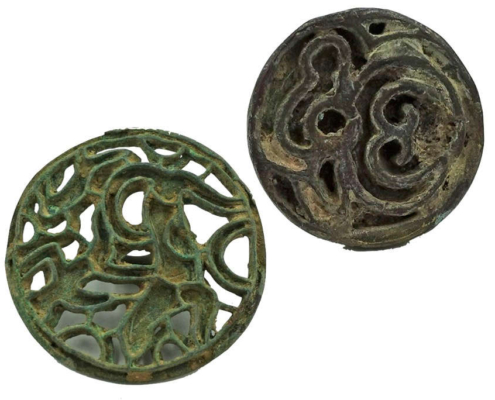
Ursula Kampmann2024-02-08 10:49:082024-02-08 13:52:53The St. Croix Collection of Baktrian Seals
https://new.coinsweekly.com/wp-content/uploads/2024/02/2024KW06HA_00.jpg
684
860
Ursula Kampmann
https://new.coinsweekly.com/wp-content/uploads/2023/01/logo-coinsweekly_590x204.png
Ursula Kampmann2024-02-08 10:49:082024-02-08 13:52:53The St. Croix Collection of Baktrian Seals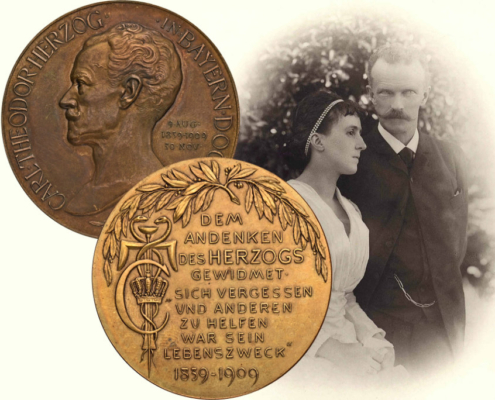 https://new.coinsweekly.com/wp-content/uploads/2024/10/2024KW42HA1_00.jpg
684
860
Lucie Loechel
https://new.coinsweekly.com/wp-content/uploads/2023/01/logo-coinsweekly_590x204.png
Lucie Loechel2024-10-17 10:51:292024-10-17 15:10:28Carl Theodor in Bavaria: The Old Nobility Takes Up a New Role
https://new.coinsweekly.com/wp-content/uploads/2024/10/2024KW42HA1_00.jpg
684
860
Lucie Loechel
https://new.coinsweekly.com/wp-content/uploads/2023/01/logo-coinsweekly_590x204.png
Lucie Loechel2024-10-17 10:51:292024-10-17 15:10:28Carl Theodor in Bavaria: The Old Nobility Takes Up a New Role
Lithuania Effectively Abolishes One- and Two-Cent Coins – and Sparks a New Debate
Farewell to small change: another eurozone country is saying goodbye to the smallest cent coins. In Germany, the debate is also gaining momentum – whereas Austria remains relaxed and is observing developments.
“Luxury and Power: Persia to Greece” at the British Museum
Over centuries the Persian empire and the Greeks had many conflicts. But nevertheless they influenced each other in many ways, as coins and works of art document. A major exhibition at the British Museum explores the relationship between luxury and power in this time.