






Archive: People and Markets
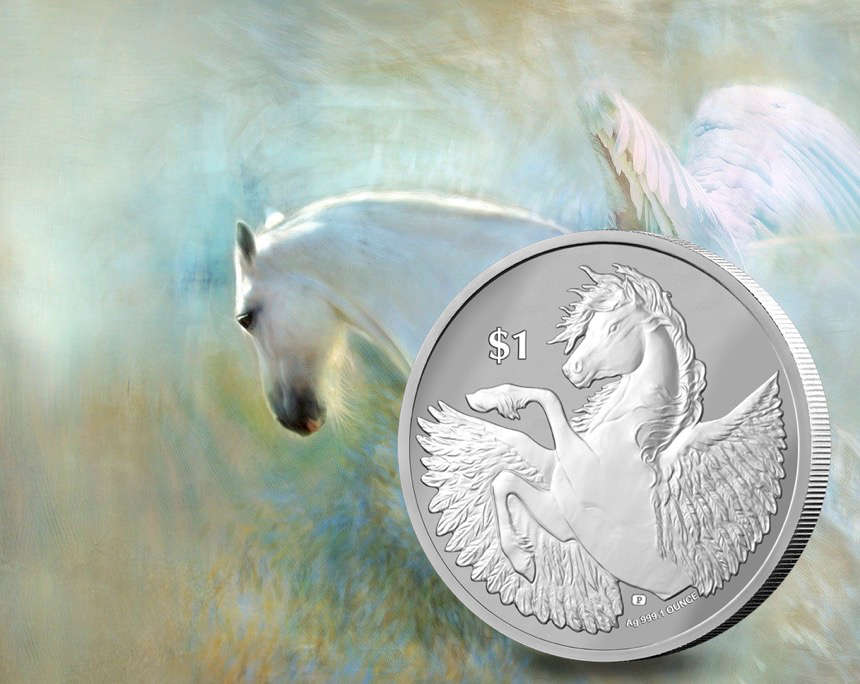
Pobjoy’s Pegasus is Back With Charles III
The celebrated motif of Pegasus reappears in its 6th edition for Pobjoy’s reverse frosted silver coin. The new edition carries an effigy of His Majesty King Charles III produced exclusively by Pobjoy Mint.
Our Who’s Who Is Here!
Our entire Who’s Who for numismatists and collectors is now available on our new website. This is another important step on our path towards transitioning from our old to the new site. And there is more!
Archive: Coins, Medals and more
 https://new.coinsweekly.com/wp-content/uploads/2024/05/2024KW19HA_00.jpg
684
860
Ursula Kampmann
https://new.coinsweekly.com/wp-content/uploads/2023/01/logo-coinsweekly_590x204.png
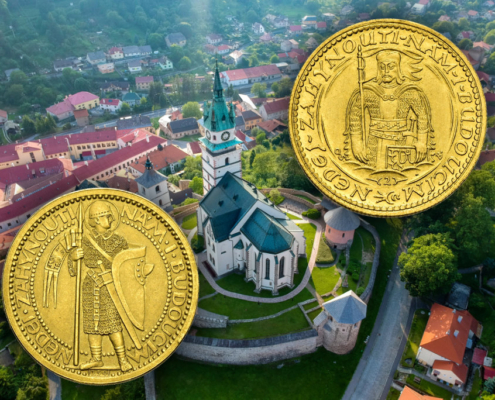
Ursula Kampmann2024-05-08 08:46:252024-05-08 08:46:25The First Years of Czechoslovak Coinage
https://new.coinsweekly.com/wp-content/uploads/2024/05/2024KW19HA_00.jpg
684
860
Ursula Kampmann
https://new.coinsweekly.com/wp-content/uploads/2023/01/logo-coinsweekly_590x204.png
Ursula Kampmann2024-05-08 08:46:252024-05-08 08:46:25The First Years of Czechoslovak Coinage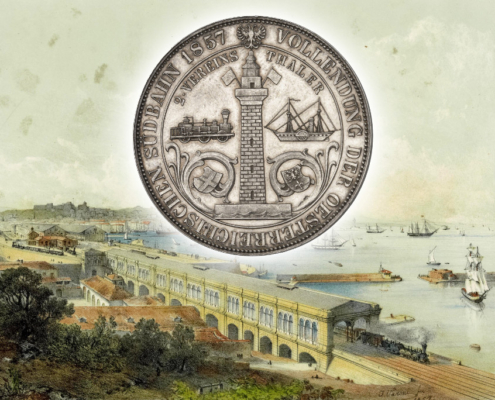 https://new.coinsweekly.com/wp-content/uploads/2024/05/2024KW22HA_00.jpg
684
860
Ursula Kampmann
https://new.coinsweekly.com/wp-content/uploads/2023/01/logo-coinsweekly_590x204.png
Ursula Kampmann2024-05-29 09:00:582024-05-29 15:18:10A Commemorative Coin Celebrating the Completion of Austria’s Southern Railway
https://new.coinsweekly.com/wp-content/uploads/2024/05/2024KW22HA_00.jpg
684
860
Ursula Kampmann
https://new.coinsweekly.com/wp-content/uploads/2023/01/logo-coinsweekly_590x204.png
Ursula Kampmann2024-05-29 09:00:582024-05-29 15:18:10A Commemorative Coin Celebrating the Completion of Austria’s Southern Railway
TICC: The Best Organised Coin Show in the World
Sometimes it takes a look outside the box to get some inspiration for how the coin show of the future might look like. The TICC in Japan certainly has some fresh ideas to offer. Ursula Kampmann reports on what she experienced in Tokyo.
CIT’s Daydreamer – Adventure
CIT’s “Daydreamer” coins pull aside the curtain between worlds. In 2022, a man looked to the future, in the second issue a little boy looks to the past. The love of escaping the world in a daydream with state-of-the-art smartminting® technology.