





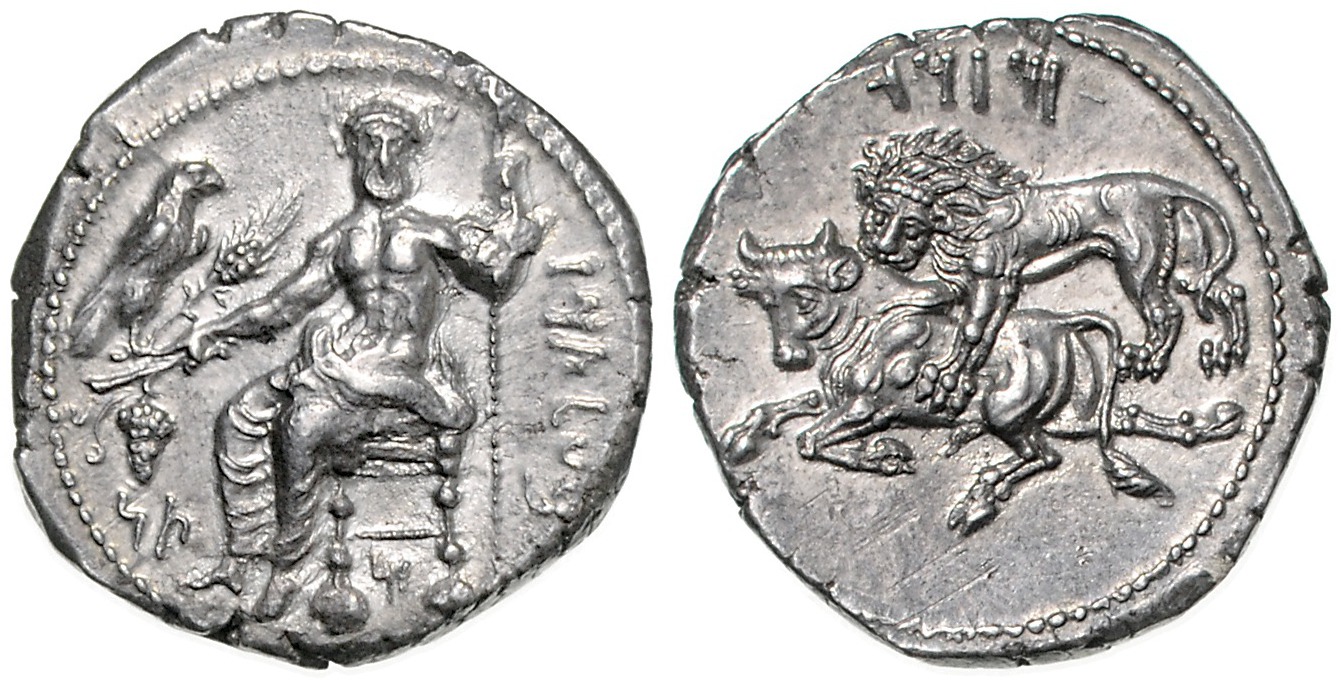
Persian satrap Mazzaios.
AR Stater (361-334 BC)
with Baal of Tarsus.
Condition: ef.
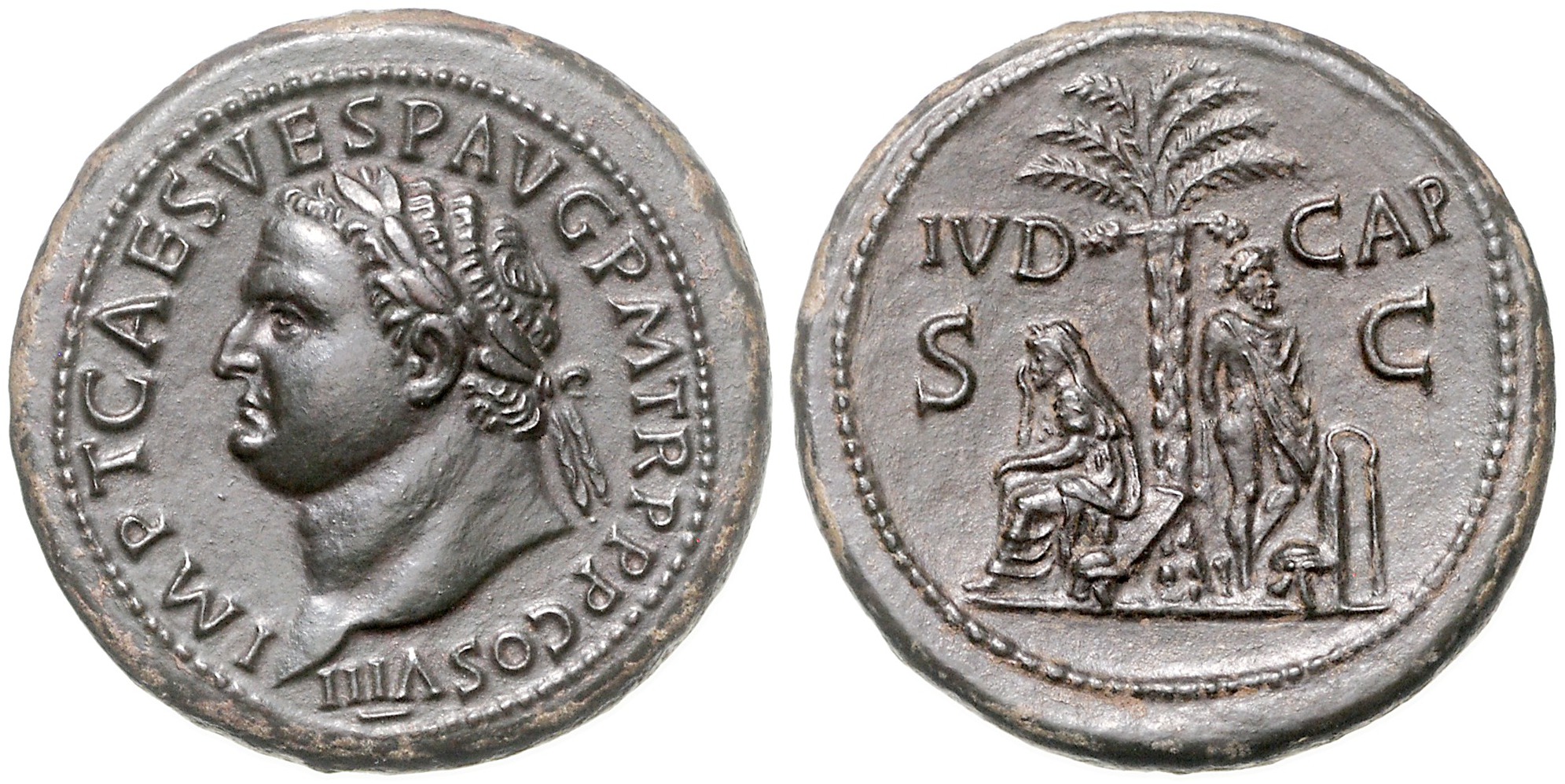
AE Sestertius (AD 80–81), Rome.
"Judaea Capta" type.
Condition: rare, ef.
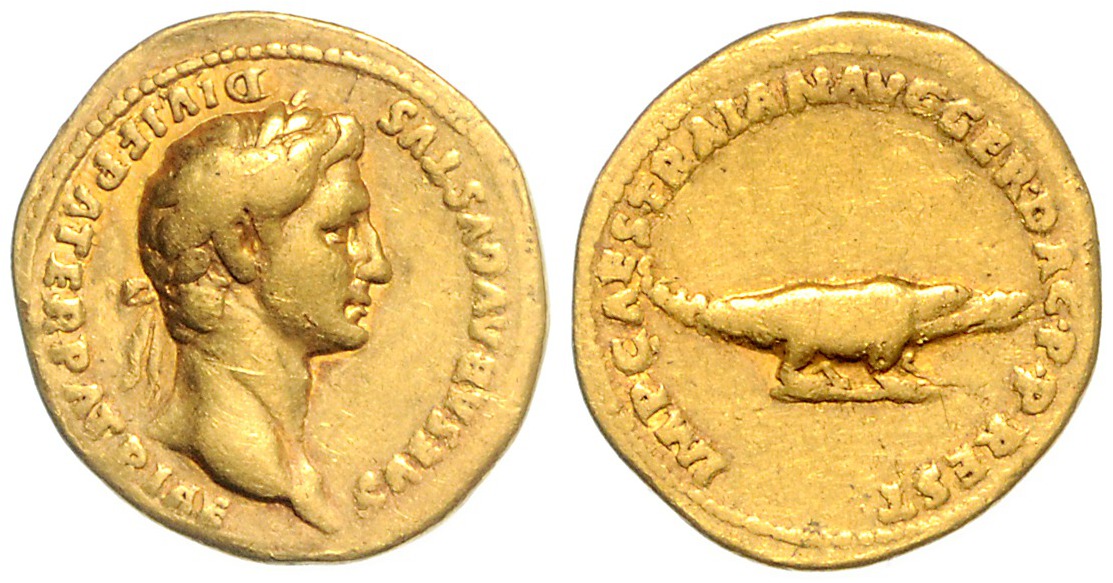
AV Aureus (AD 107–113), Rome.
Restitution issue honoring Augustus.
Condition: extremely rare, near vf.
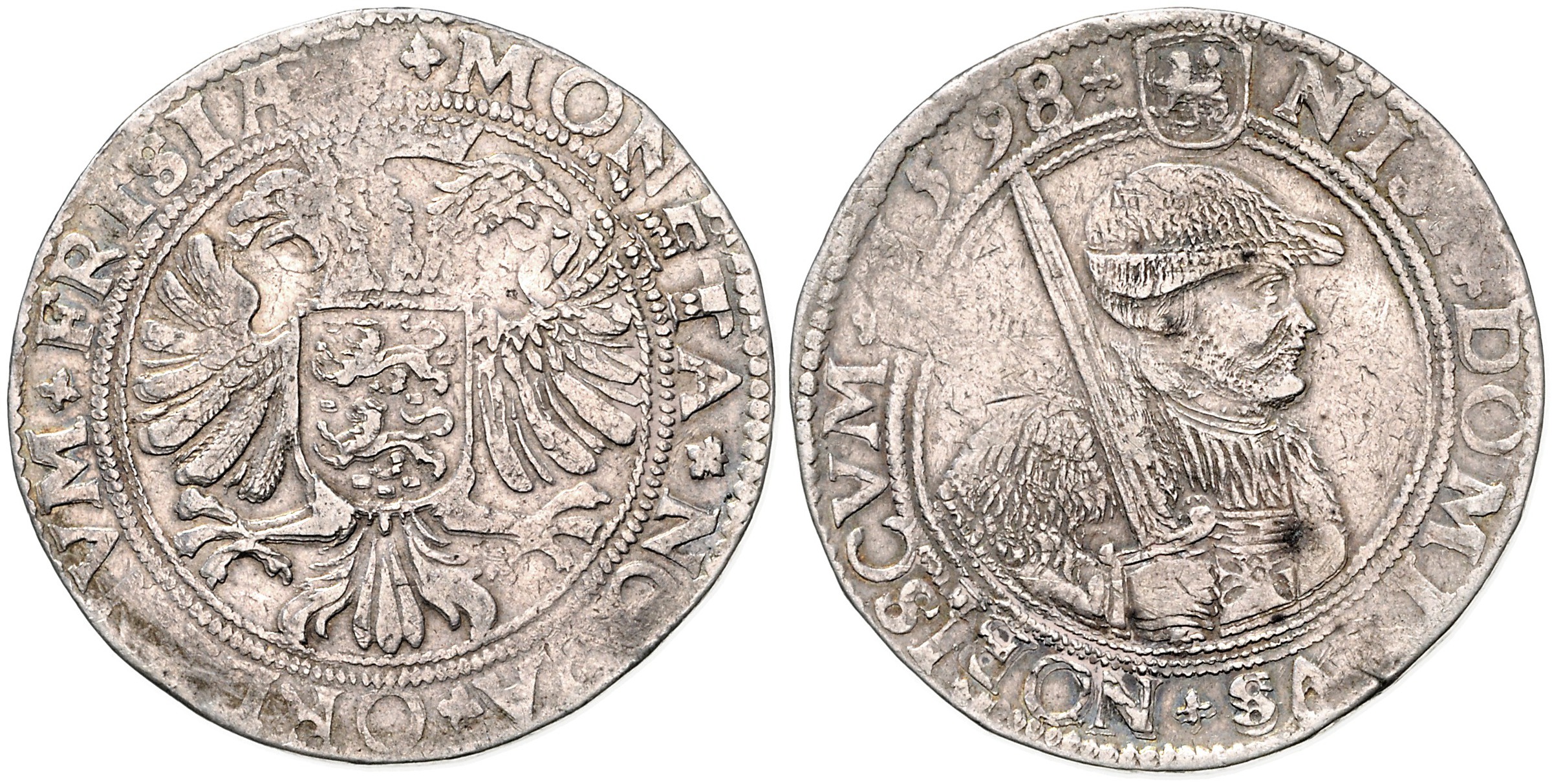
Arendsrijksdaalder (Eagle Rixdollar), 1598.
Condition: very rare, vf.
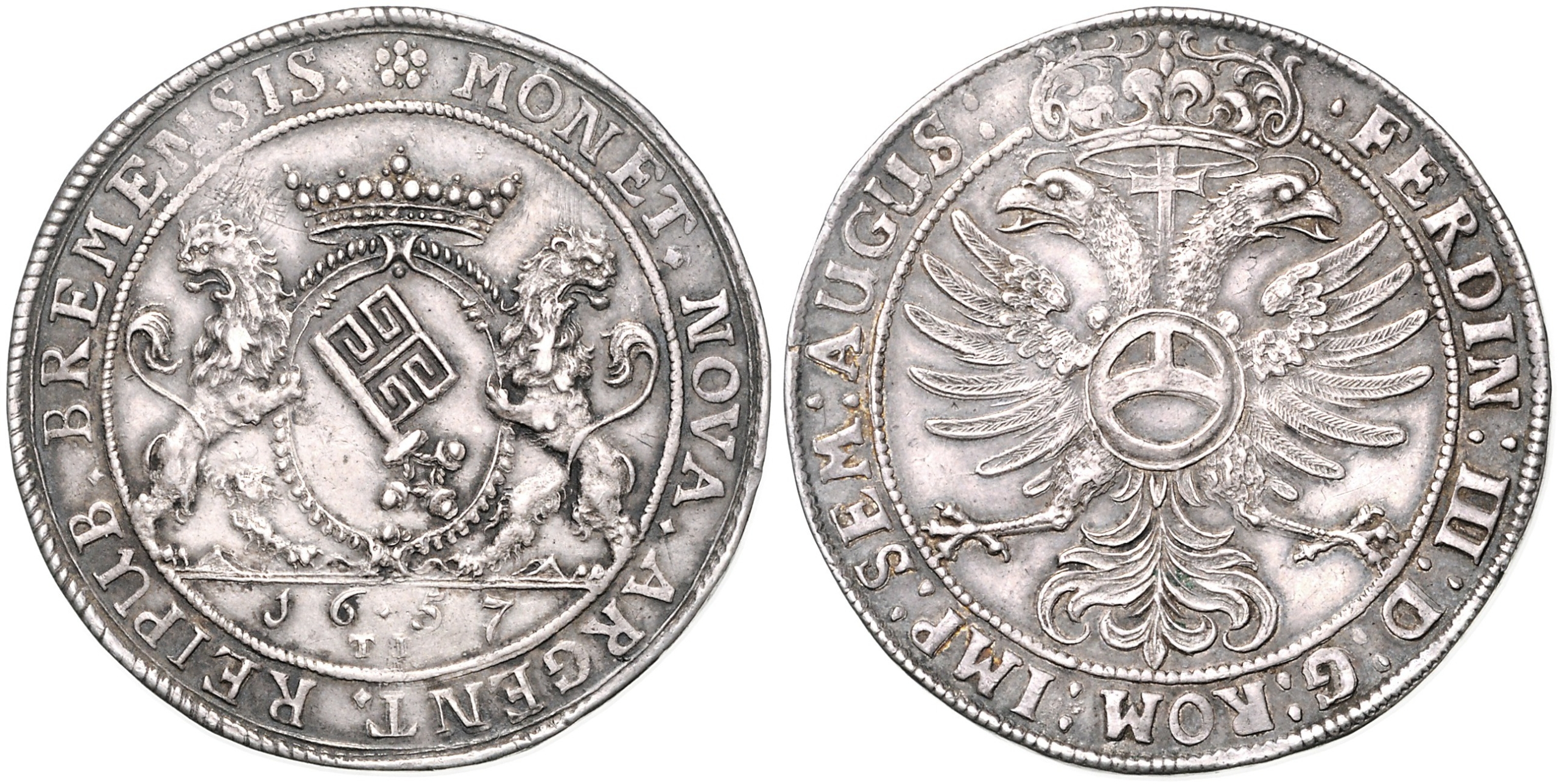
Thaler, 1657.
Bearing the title of Ferdinand III.
Condition: near ef/ef.
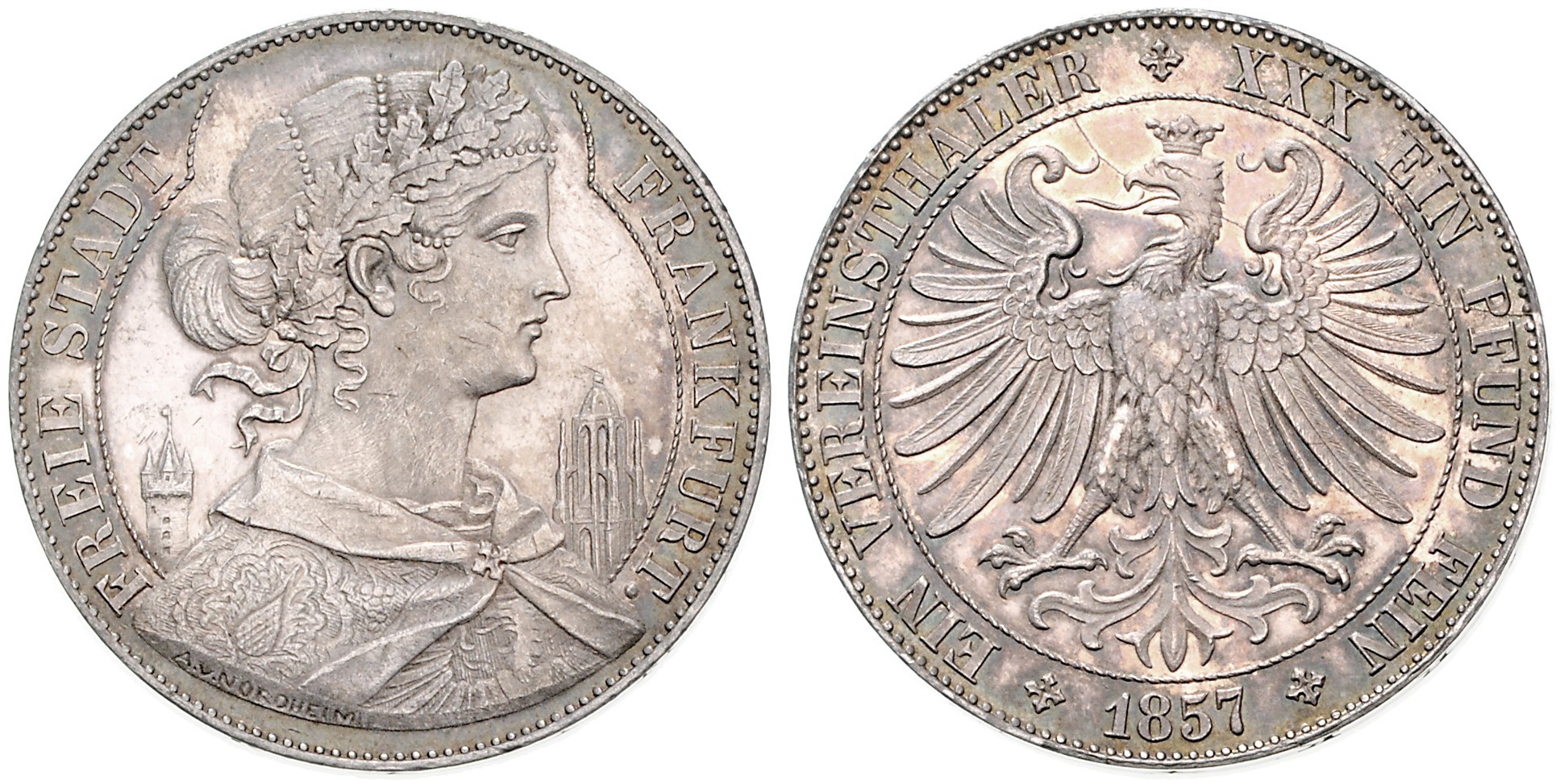
Vereinstaler 1857.
Condition: attr. piece, first strike.
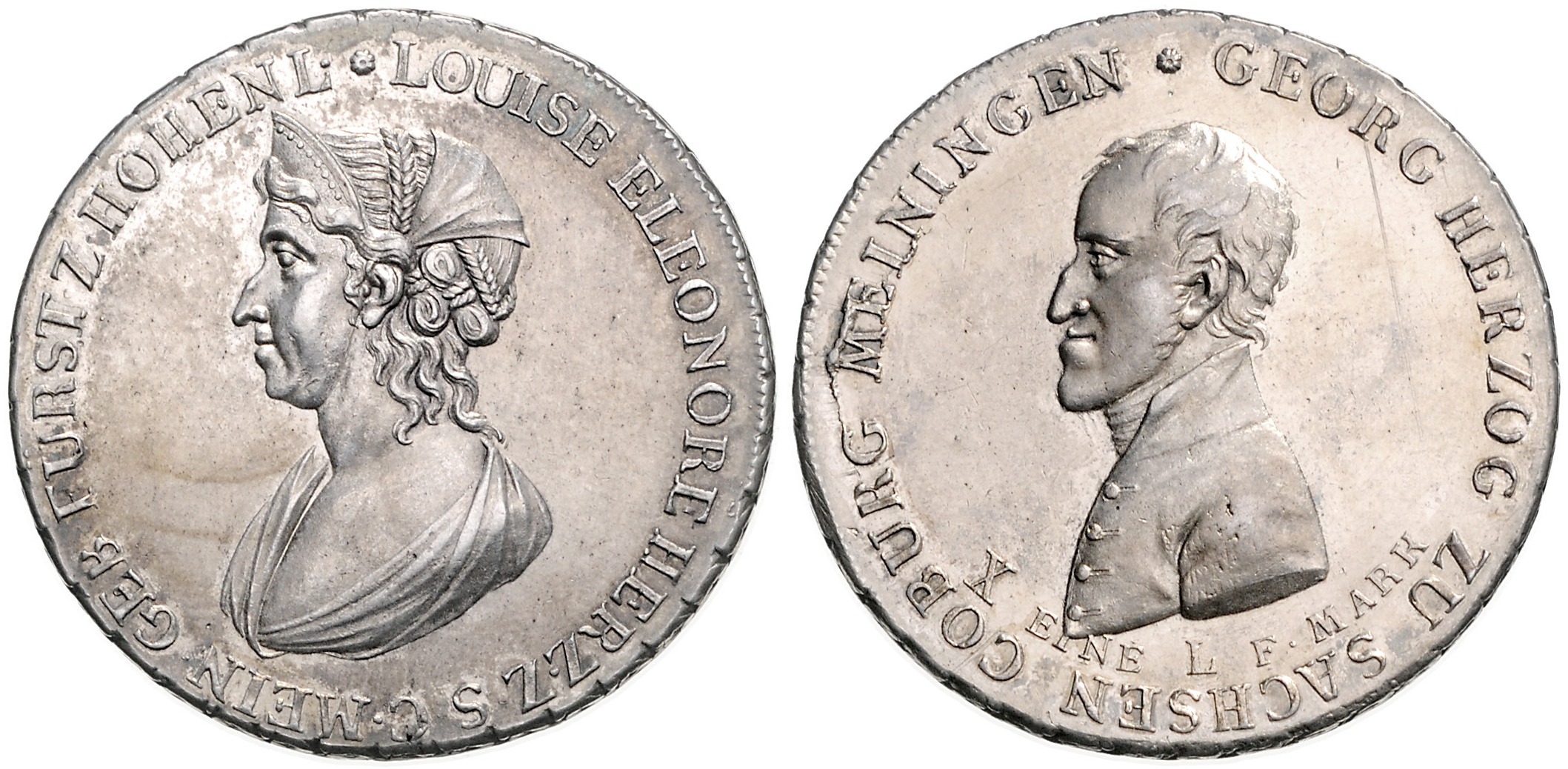
Convention thaler, n.d. (after 1803),
issued on the death of Duke Georg.
Condition: extremely rare, unc.
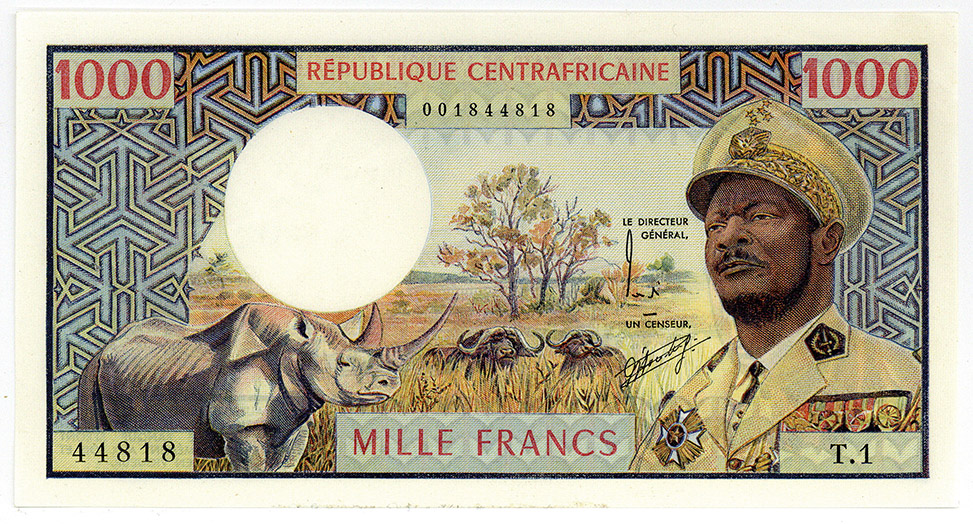
Banque des États de l'Afrique Centrale,
1000 francs 1974.
Condition: I-.
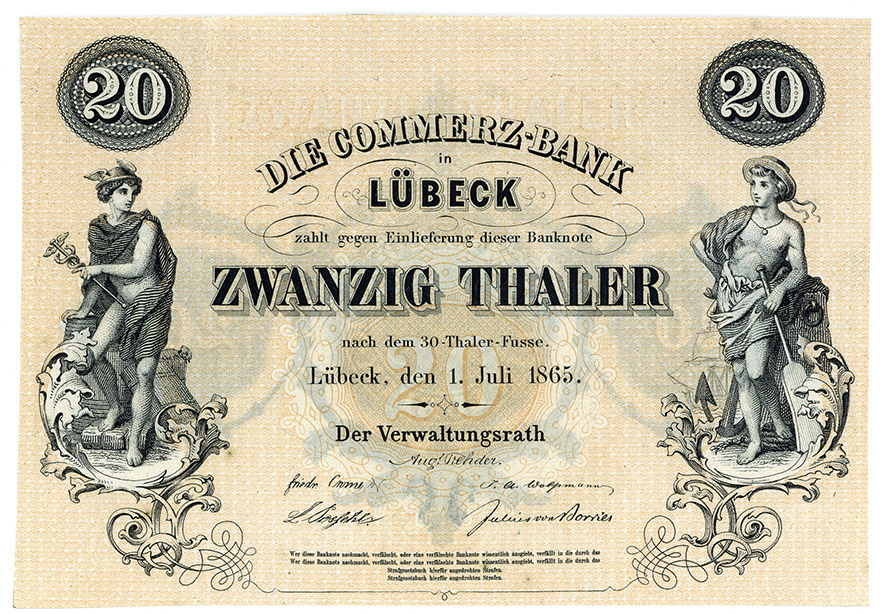
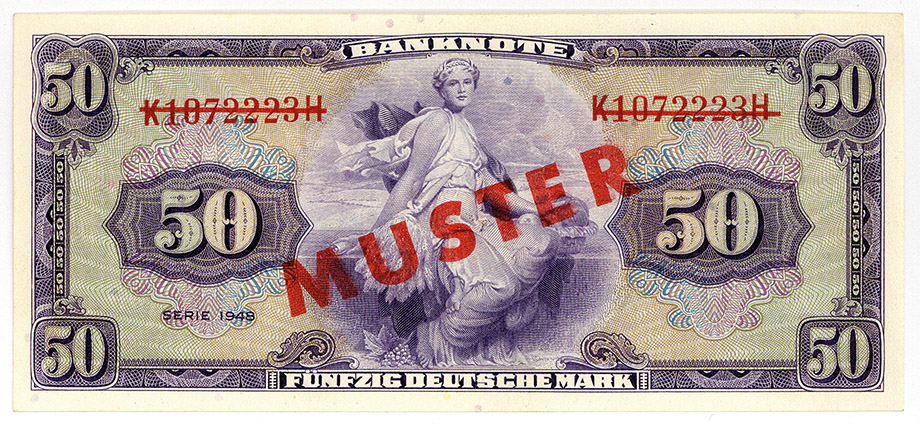
Archive: People and Markets

PMG Grading On-site in Munich and at MIF Maastricht
In September 2023, Collectors and dealers can submit banknotes at the PMG Munich office or at PMG’s booth at the MIF show for on-site grading.
Save 50% on Volumes 1–50 of “Collection Moneta”
For 30 years now, numismatic articles have been published in the series “Collection Moneta”, edited by Georges Depeyrot. The series now comprises a full 210 volumes. The first 50 of these can now be purchased at half price until the end of January; after that, they will no longer be available for purchase.
Archive: Coins, Medals and more
 https://new.coinsweekly.com/wp-content/uploads/2025/05/2025KW19HA02_00.jpg
684
860
Lucie Loechel
https://new.coinsweekly.com/wp-content/uploads/2023/01/logo-coinsweekly_590x204.png
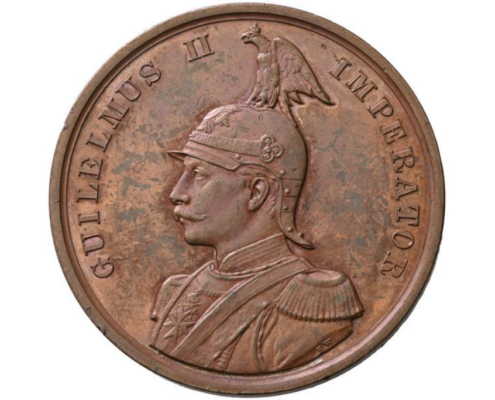
Lucie Loechel2025-05-08 08:00:522025-05-13 09:38:02Pattern of the First-Class Warrior Medal – A Previously Unknown Relic of German Colonial History
 https://new.coinsweekly.com/wp-content/uploads/2024/01/2023KW03HA_00.jpg
684
860
Ursula Kampmann
https://new.coinsweekly.com/wp-content/uploads/2023/01/logo-coinsweekly_590x204.png
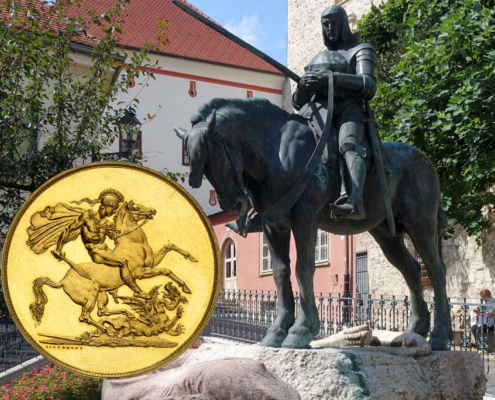
Ursula Kampmann2024-01-18 08:00:542024-01-18 10:35:27Why Are There So Many Coins Depicting Saint George?
New Publication on Hallmarks of Gold Coinage in Serbia and Yugoslavia
After the work of countless renowned scholars, is it even possible to make new findings in the numismatics of Austria-Hungary and the Balkans? The Austrian Research Society for Numismatics says „yes!“ and proves this with Aleksandar Brzić’s new book on Serbian and Yugoslav hallmarks on gold coins from 1882 to 1941.
Is the EU Sleepwalking Into an Art Market Nightmare?
Enforcement of import licensing for cultural goods is just two years away, but many serious questions remain over what will happen. A detailed insight into a complicated matter.