








Archive: People and Markets
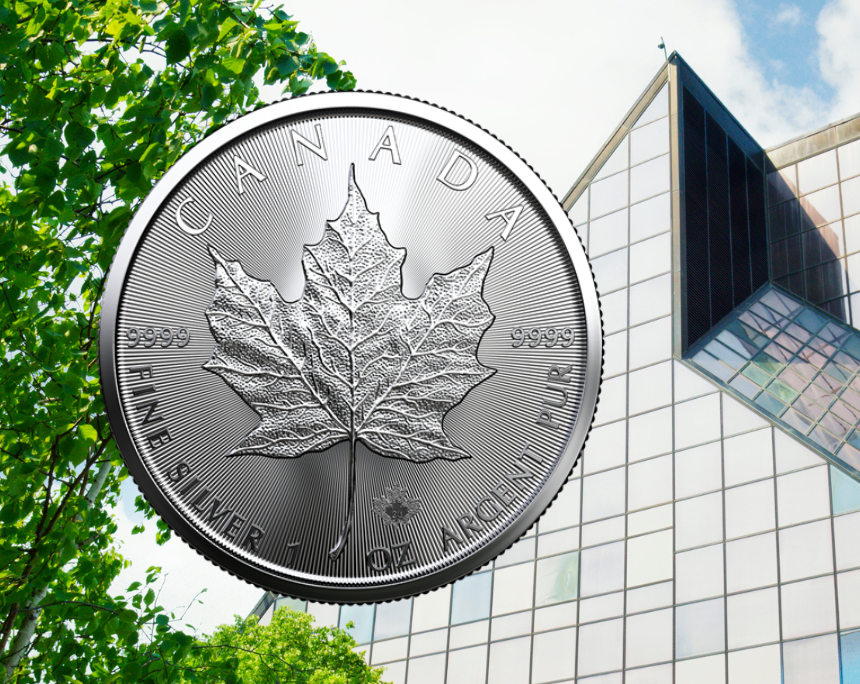
Royal Canadian Mint Reports First Quarter 2024 Financial Results
The Royal Canadian Mint has released its financial results for the year 2023 and the first quarter of 2024, offering insights into its activities, market influences, and expectations for the coming year.
Metcalf Lecturer 2023/4: Benjamin Hellings
The Archaeological Institute of America named Benjamin Hellings this year’s Metcalf Lecturer. He is Curator of Numismatics at the Yale University Art Gallery and Chair of the AIA Numismatics Interest Group.
Archive: Coins, Medals and more
 https://new.coinsweekly.com/wp-content/uploads/2024/04/00-2024KW17aHauptartikel.jpeg
684
860
Sebastian Wieschowski
https://new.coinsweekly.com/wp-content/uploads/2023/01/logo-coinsweekly_590x204.png
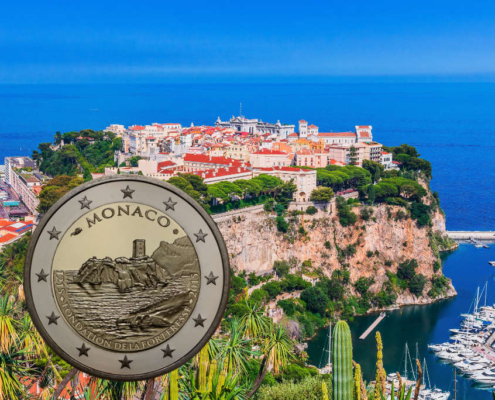
Sebastian Wieschowski2024-04-25 07:00:362024-04-25 07:52:37A Numismatic Journey Through the Principality of Monaco
https://new.coinsweekly.com/wp-content/uploads/2024/04/00-2024KW17aHauptartikel.jpeg
684
860
Sebastian Wieschowski
https://new.coinsweekly.com/wp-content/uploads/2023/01/logo-coinsweekly_590x204.png
Sebastian Wieschowski2024-04-25 07:00:362024-04-25 07:52:37A Numismatic Journey Through the Principality of Monaco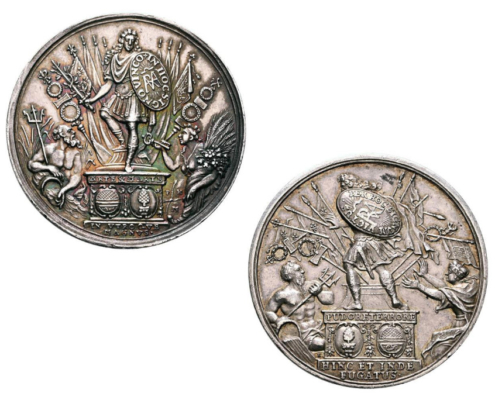 https://new.coinsweekly.com/wp-content/uploads/2025/05/2025KW20HA02_00.jpg
684
860
Lucie Loechel
https://new.coinsweekly.com/wp-content/uploads/2023/01/logo-coinsweekly_590x204.png
Lucie Loechel2025-05-15 10:14:562025-05-15 10:14:56Between Triumph and Tragedy – Maximilian II Emanuel, “The Prince of Bankrupts”
https://new.coinsweekly.com/wp-content/uploads/2025/05/2025KW20HA02_00.jpg
684
860
Lucie Loechel
https://new.coinsweekly.com/wp-content/uploads/2023/01/logo-coinsweekly_590x204.png
Lucie Loechel2025-05-15 10:14:562025-05-15 10:14:56Between Triumph and Tragedy – Maximilian II Emanuel, “The Prince of Bankrupts”
Swinging London: Coinex 2024
Despite Brexit and competing events, Coinex is definitely worth a trip – especially to meet the many young dealers who gather there. After all, London is swinging at Coinex, too! Ursula Kampmann reports.
The Numismatic Index on 25 June 2023
The numismatic index numindex transparently shows how the prices of selected coins change over time. In the style of a stock index, it was designed for collectors who consider their collection an investment. Find out about the current state of the index.