







Archive: People and Markets

Friedrich Popken (1940-2024)
On 27 July 2024, Friedrich Popken passed away at the age of 84. As well as being a well-known entrepreneur, he was also a highly esteemed coin collector who supported and promoted many numismatic projects. An obituary by Fritz Rudolf Künker.
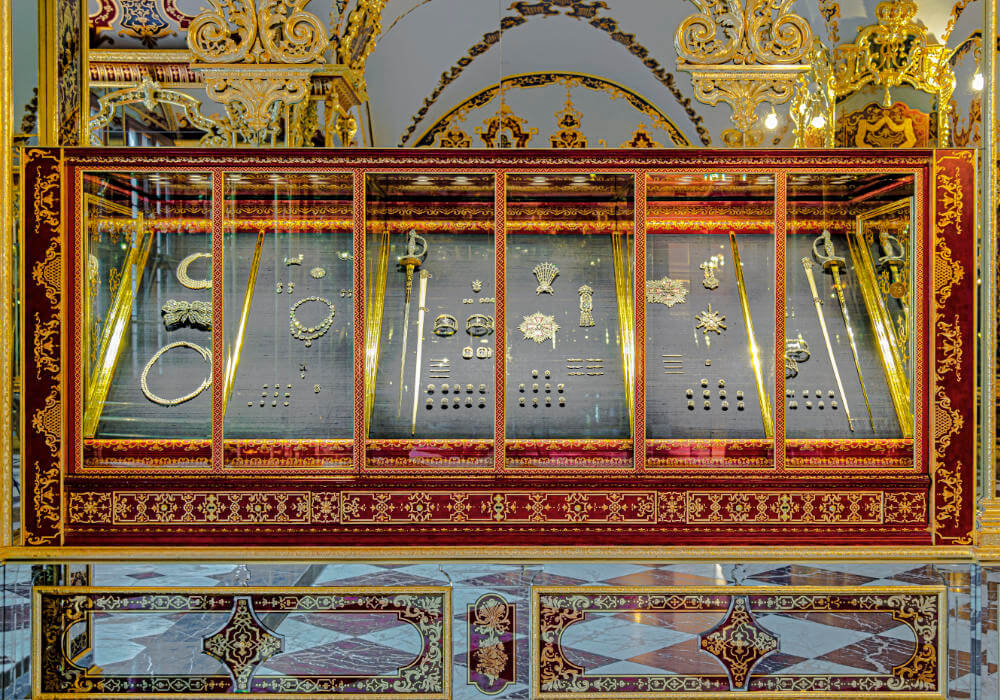
Verdicts in the Dresden Jewel Heist Case
More than three years after the spectacular burglary at Dresden’s Green Vault, the Dresden Regional Court handed down a verdict on 16 May 2023. The return of part of the loot has paid off for the defendants. But many questions are still open.
Archive: Coins, Medals and more
 https://new.coinsweekly.com/wp-content/uploads/2023/06/2023KW24HA00.jpg
500
497
Bruno
https://new.coinsweekly.com/wp-content/uploads/2023/01/logo-coinsweekly_590x204.png
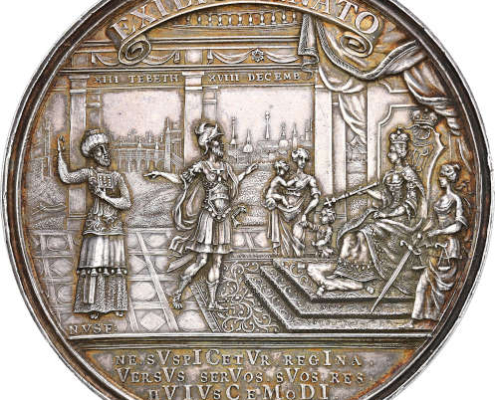
Bruno2023-06-14 09:53:382023-06-27 11:20:26Maria Theresa and Her Persecution of Jews
https://new.coinsweekly.com/wp-content/uploads/2023/06/2023KW24HA00.jpg
500
497
Bruno
https://new.coinsweekly.com/wp-content/uploads/2023/01/logo-coinsweekly_590x204.png
Bruno2023-06-14 09:53:382023-06-27 11:20:26Maria Theresa and Her Persecution of Jews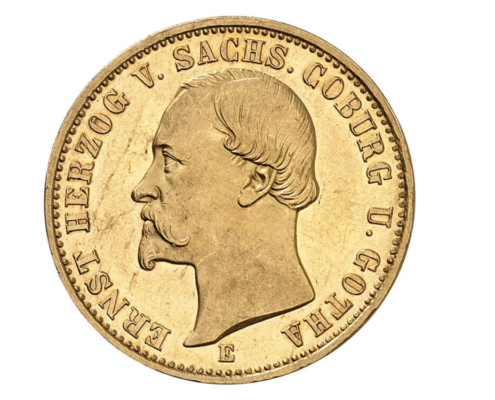 https://new.coinsweekly.com/wp-content/uploads/2023/05/2023KW21HA00.jpg
750
1000
Ursula Kampmann
https://new.coinsweekly.com/wp-content/uploads/2023/01/logo-coinsweekly_590x204.png
Ursula Kampmann2023-05-25 09:00:382023-06-27 11:24:32From Taler to Mark: The Long Road to a Common Currency
https://new.coinsweekly.com/wp-content/uploads/2023/05/2023KW21HA00.jpg
750
1000
Ursula Kampmann
https://new.coinsweekly.com/wp-content/uploads/2023/01/logo-coinsweekly_590x204.png
Ursula Kampmann2023-05-25 09:00:382023-06-27 11:24:32From Taler to Mark: The Long Road to a Common Currency
Pobjoy Mints the World’s First Inverted 50 Pence Coin
Pobjoy Mint celebrates World Penguin Day with the world’s first inverted 50 pence coin. It features two emperor penguins.
Between Tradition and the Demands of a New Economic World
The 32nd Mint Directors Conference took place in Cape Town from April 27th to 29th, 2025. It was the highlight of my numismatic journey through South Africa. In an international context, South Africa presented itself as a promising country of (numismatic) opportunities.